Exhibitions
Art and freedom in Portuguese-speaking African countries: 50 years of independence in dialogue
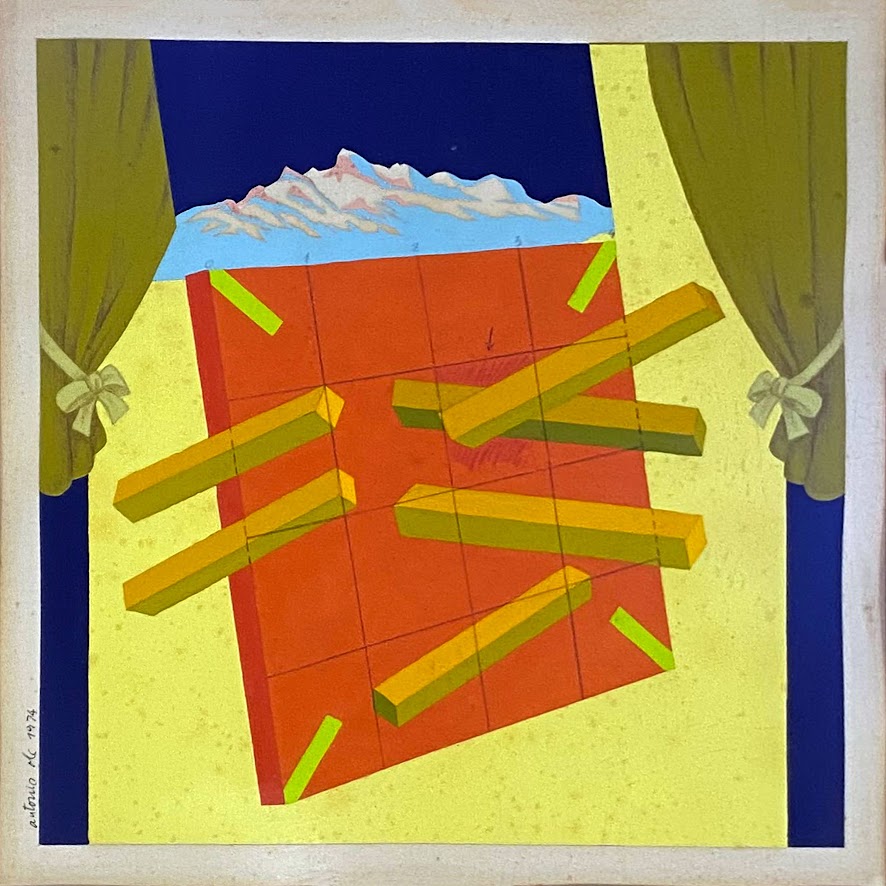
The exhibition 50 - Independents: Art and Freedom in Portuguese-Speaking African Countries at Perve Galeria in Lisbon offers a journey through the artistic expressions that emerged in Portuguese-speaking African countries following their independence. Through its selection of works, the exhibition explores the role of art as a driving force for the vindication of freedom, identity, and collective memory, addressing issues such as decolonization, cultural resistance, and the creation of new national narratives.
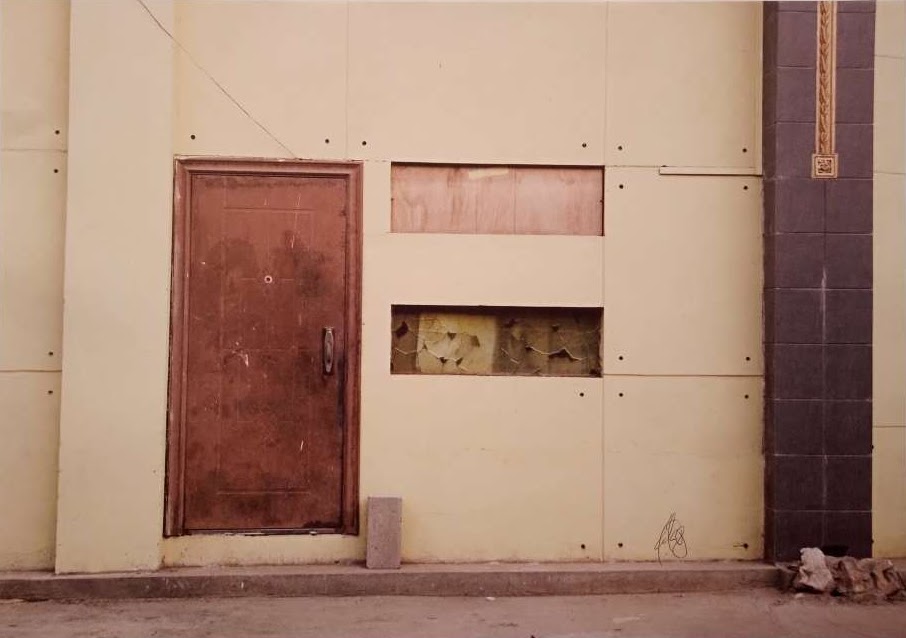
Edson Chagas (1977, Angola), Installation made in the Pavilhão Angola of the Venice Biennale.
The project brings together pieces from different disciplines—painting, sculpture, photography, installation—created by artists who engage with their cultural and social heritage from a critical and innovative perspective. This artistic encounter opens the door to discovering the diversity of narratives that shape the complex reality of these territories and raises a reflection on the capacity of art to generate awareness and transformation in contexts of profound political and social change.
The opening of this exhibition (July 12) coincided with the fiftieth anniversary of the independence of São Tomé and Príncipe, a symbolic milestone that invites reflection on the shared heritage and cultural particularities that distinguish the five Portuguese-speaking African countries: Angola, Cape Verde, Guinea-Bissau, Mozambique and São Tomé and Príncipe.
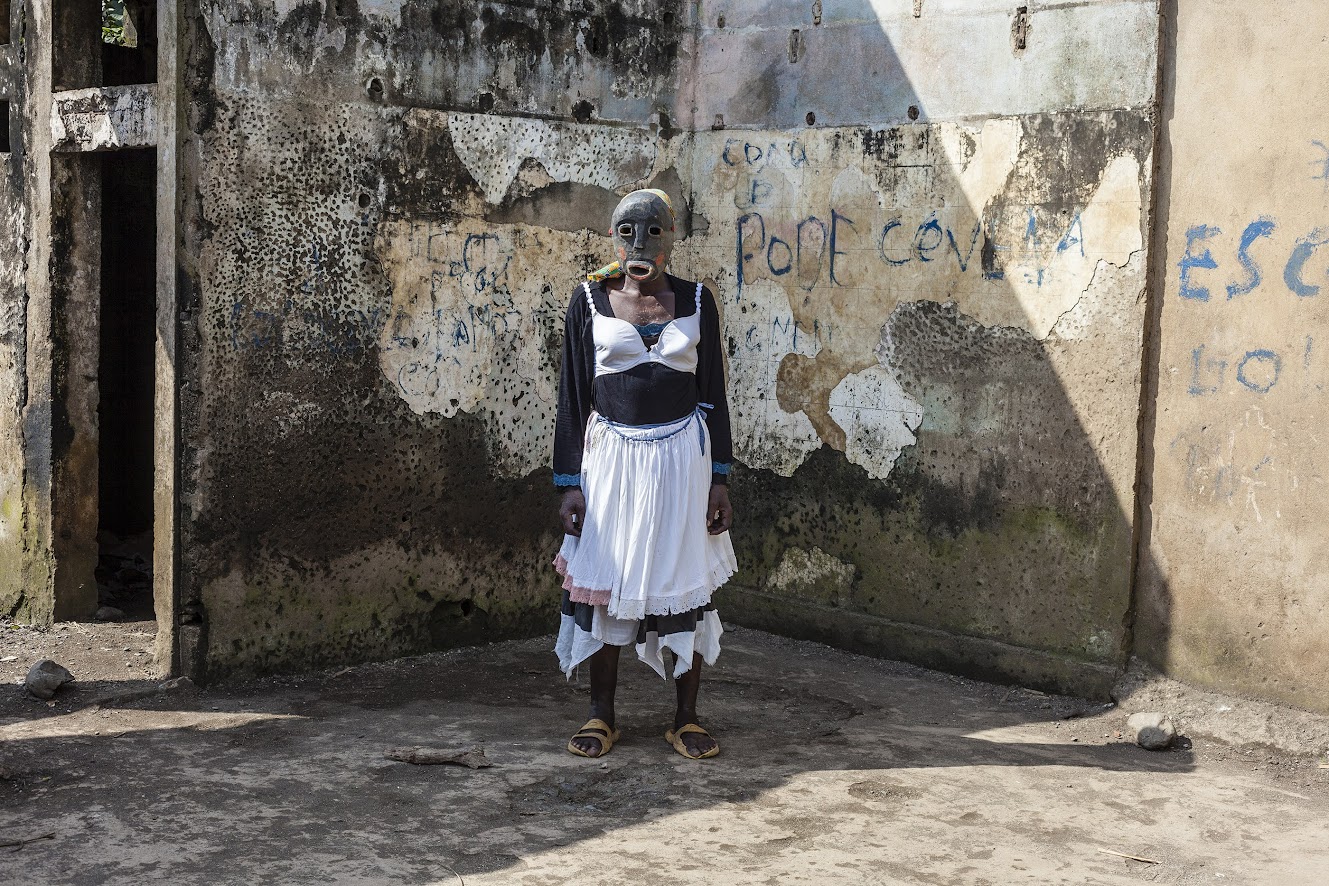
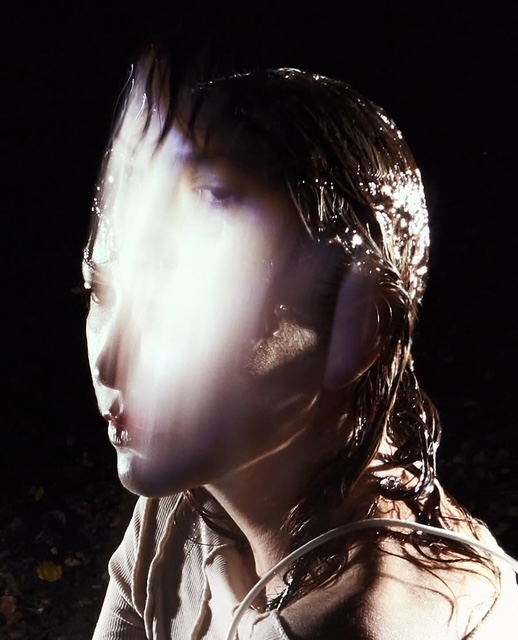
José Chambel (1969, São Tomé e Príncipe, Sem titulo #45 (série Danço Congo), 2018.
Curated by Carlos Cabral Nunes, the exhibition brings together a significant selection of works from the Perve Galeria's Lusofonias Collection, an institution that, since its creation in 1998, has dedicated itself to showcasing the artistic work of creators from the Lusophone world. This collection includes artists working in their countries of origin as well as those who are part of the diaspora or whose work is developed in contexts of cultural exchange within the Lusophonic space.
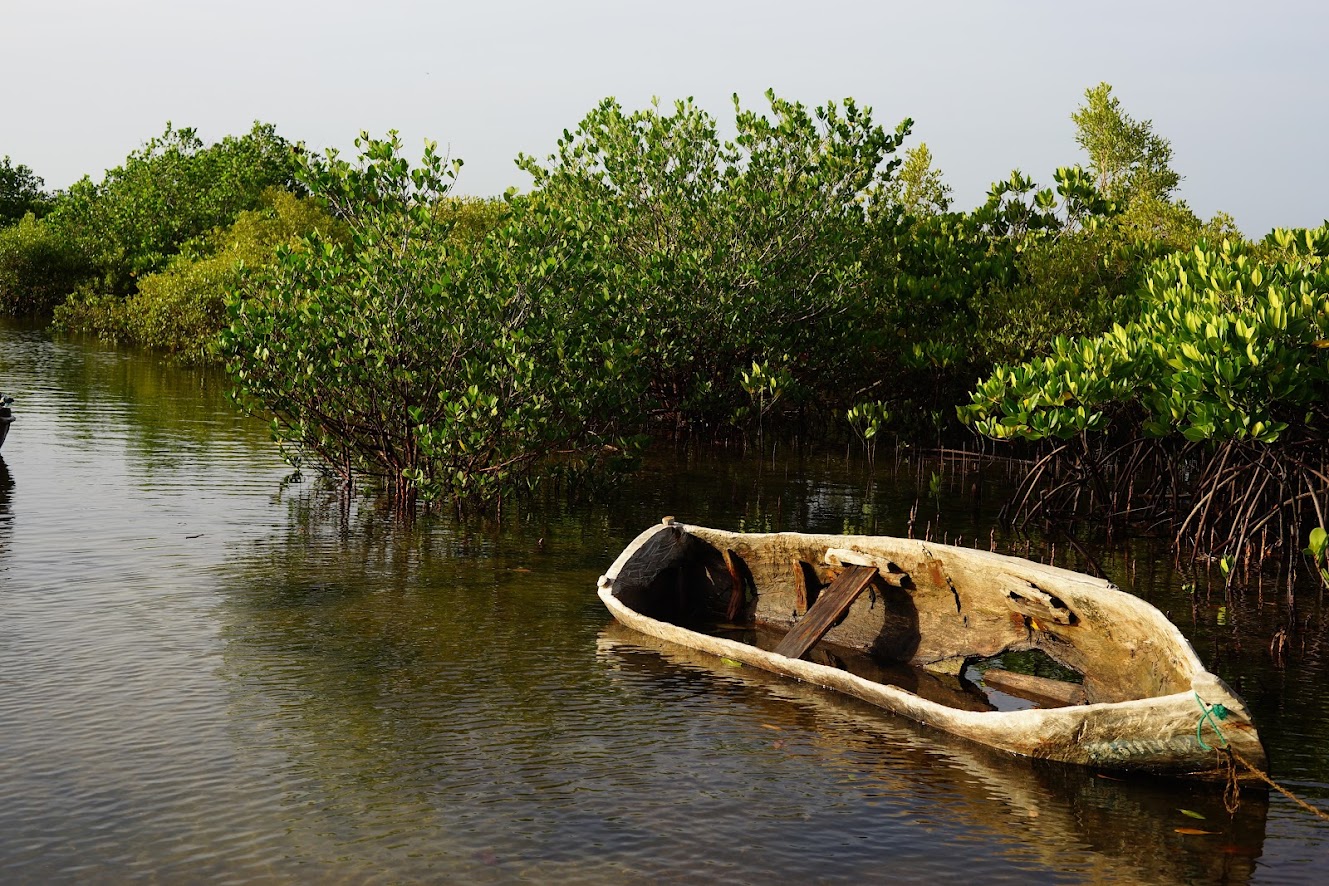
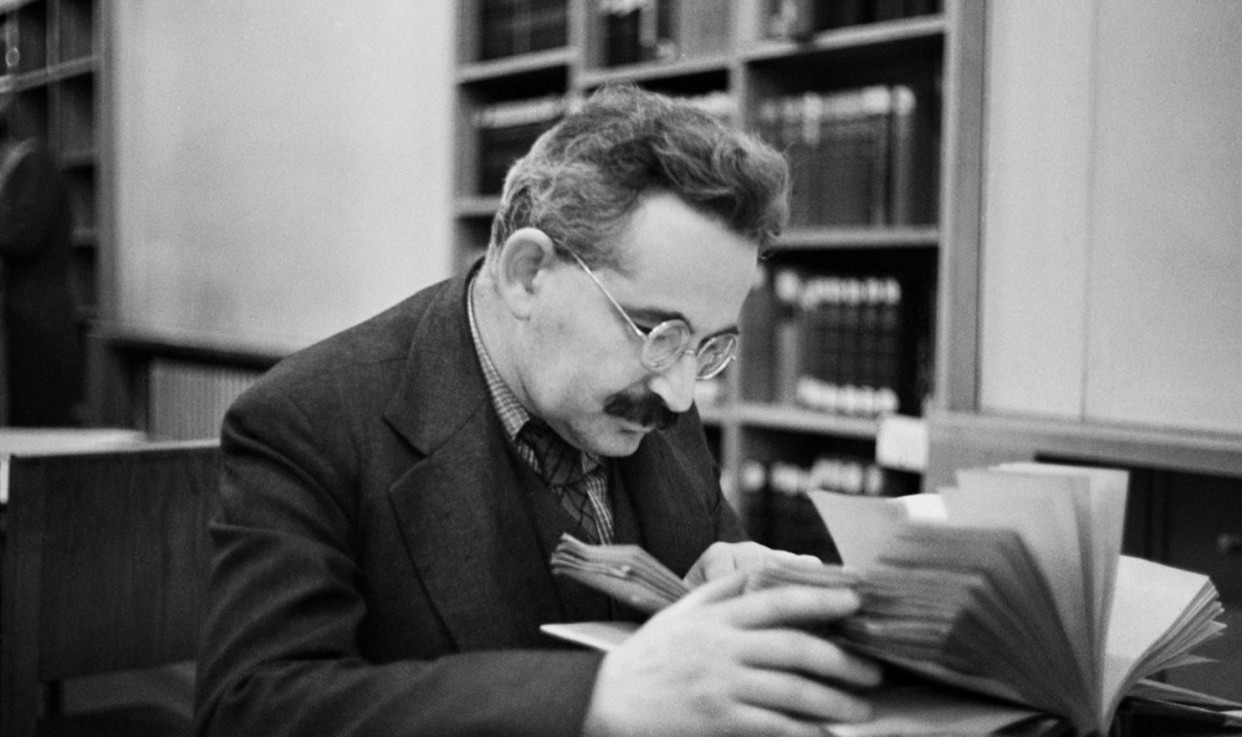
José Eduardo Agualusa (1960, Angola), Semi-title.
The exhibition presents a significant corpus of works organized around three thematic axes that form a representative panorama of artistic production in Portuguese-speaking African countries. The first brings together artistic practices linked to resistance to colonialism and authoritarianism, characterized by a marked political and social dimension, as well as a clear emancipatory purpose. The second axis focuses on the representations and narratives that emerge in the context of the independence processes, oriented toward the construction and consolidation of distinct cultural and national identities. Finally, the third axis addresses contemporary creative dynamics, incorporating reflections on the diaspora and cultural exchanges within the framework of the
Represented are, among others, Ana Silva, Bertina Lopes, Ernesto Shikhani, Ídasse, João Ayres, João Donato, José Chambel, José Eduardo Agualusa, Malangatana Ngwenya, Manuel Figueira, Manuela Jardim, Mário Macilau, Pancho Guedes, Paulo Kapela, Reinata Sadimba, Ricardo Rangel, Teresa Roza d'Oliveira, Valdemar Dória and Valter Hugo Mãe.
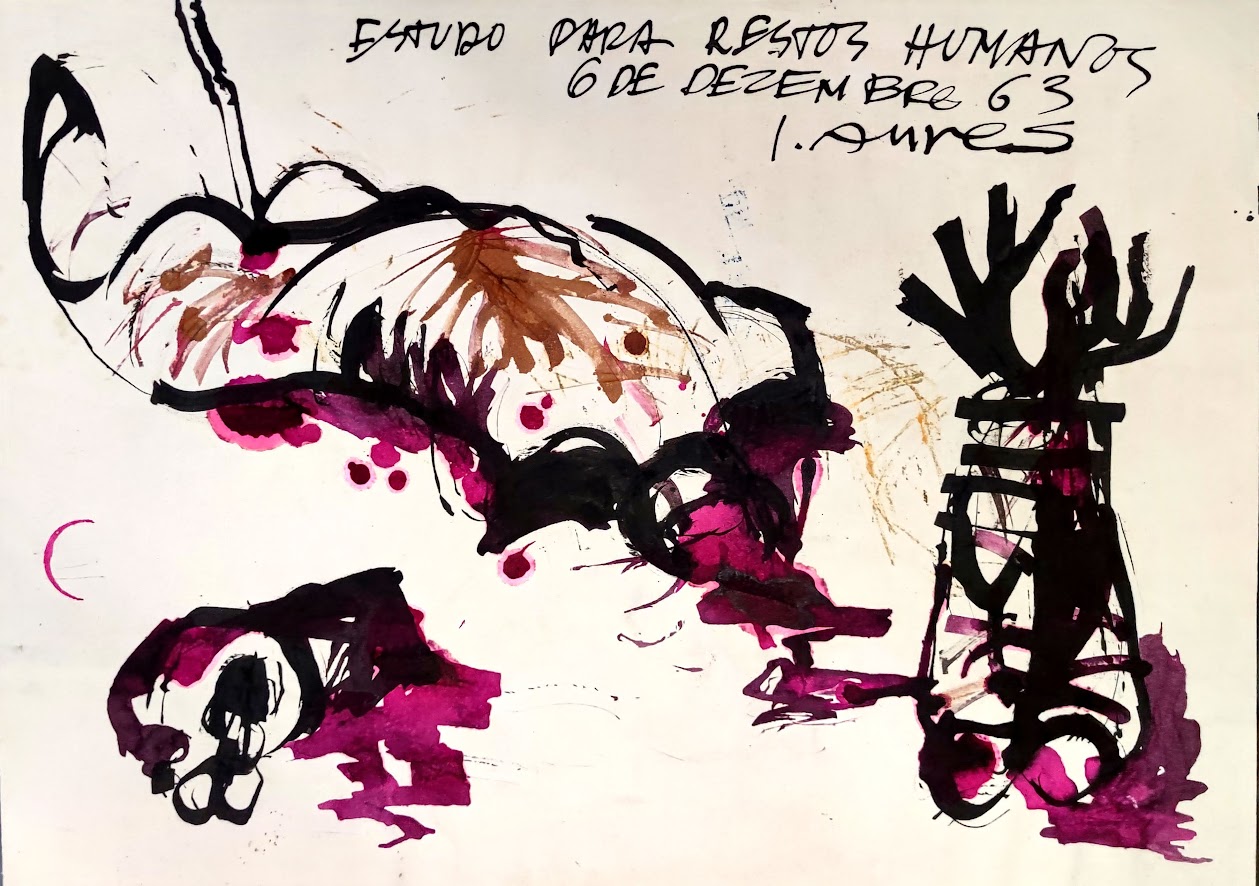
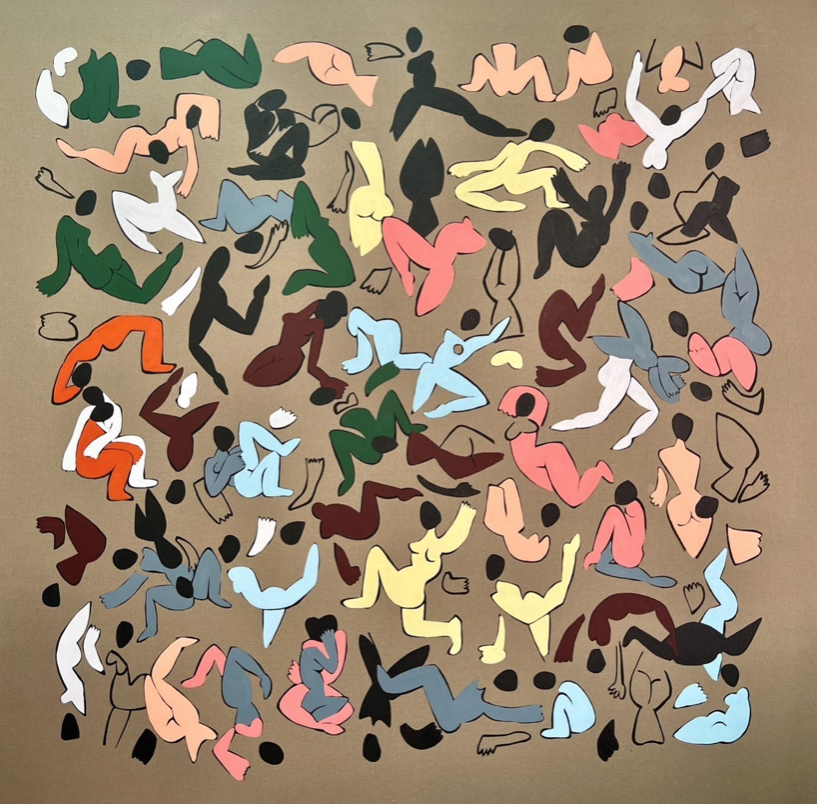
João Ayres (1921-2001, Portugal / Mozambique | Mozambique), Study for human remains, 1963.
You may be
interested
...