Exhibitions
The Egyptian Museum extends the exhibition Coming Out to the Day until the end of the year
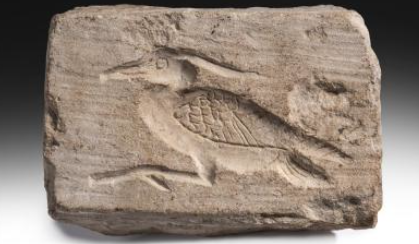
The temporary exhibition Sortir al Dia, El Llibre dels Morts dels antic egiptcis (Out in the Day, The Book of the Dead of the Ancient Egyptians) has been open to the public at the Egyptian Museum of Barcelona since May 30. The exhibition, which has been a great success with visitors, has been extended until the end of this year, according to sources from the Museum's management.
The exhibition Sortir al Dia deals with one of the most influential documents of all those bequeathed to us by the Egyptians. A religious text of fundamental importance as it is a kind of guide and help for all those who aspired to a full life after earthly death. There are many copies of the Book of the Dead, usually written on papyrus, which combine texts and images and are made up of a variable number of the nearly 200 formulas that are known. A complex work, therefore, that has been treated by scholars from different points of view (more and less academic) that we intend to make available to our public by highlighting its essential and most determining aspects.
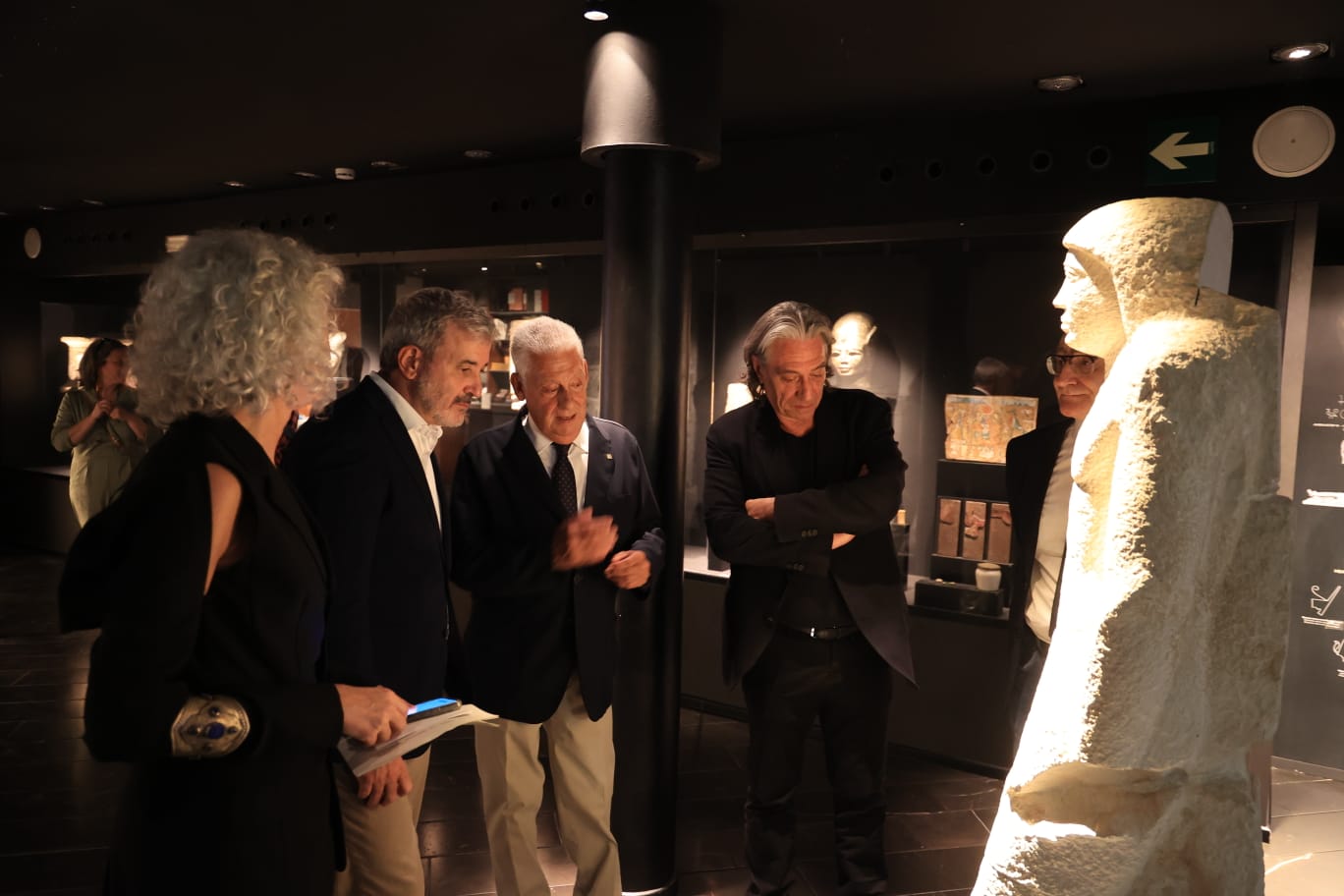
Image of the inauguration of the exhibition Going Out for the Day at the Egyptian Museum in Barcelona.
This exhibition is made up of seventy pieces from the permanent collection of the Egyptian Museum of Barcelona and documents (scientific publications, photographs) from the Jordi Clos Llombart Library. Some replicas produced especially for the exhibition are also included.
The Book of the Dead
The Book of the Dead is composed of chapters written primarily in cursive hieroglyphs, although examples exist for all types of writing from the Pharaonic period. The chapters are presented by a title (which summarizes the content) and also consist of vignettes of different formats and purposes. Currently, 194 chapters are known.
The papyrus roll is the most common support for the Book of the Dead, with specimens that can reach several tens of meters in length. These papyri have been found inside sarcophagi, in contact with the mummy, or inside the figures and platforms of the divinity Ptah-Sokar-Osiris, to name the best-documented contexts. Other supports used for smaller versions or for specific chapters were the parietal surfaces of tombs and temples, sarcophagi, shrouds, offering tables, stelae, mummy wrappings, amulets or boxes and statuettes of uxebtis.
Statuette in the form of a ba. Ptolemaic period (305-30 BC). Egyptian Museum of Barcelona, E-1199.
No two Books of the Dead are identical. Each one is made up of a selection of chapters based on factors such as the budget or the preferences of the client. During the New Kingdom and the Third Intermediate Period the contents and order of presentation are very different, but from the so-called “Saita recension” the Books of the Dead will have a more systematic and ordered content.
The exhibition also features a life-size photographic reproduction of one of the most important papyri containing a copy of the Book of the Dead (Papyrus of the Scribe Ani, BM EA10470). Along the more than twenty meters of route, descriptions and explanations of the most important and representative scenes and texts have been incorporated. Without a doubt, a very accurate and suitable didactic tool for learning about and understanding this universal religious document.
On the other hand, three of the most emblematic scenes from the Book of the Dead have been reproduced: The funeral procession; the Room of the Double Maat and the Field of Felicitations, of Offerings or of the Reeds, with its waterways and fertile lands (the final destination of the deceased).
There are also some pieces that are being exhibited to the public for the first time on a permanent basis or have been acquired especially to be part of the exhibition and others that have been the subject of recent restoration work to improve their museographic value.
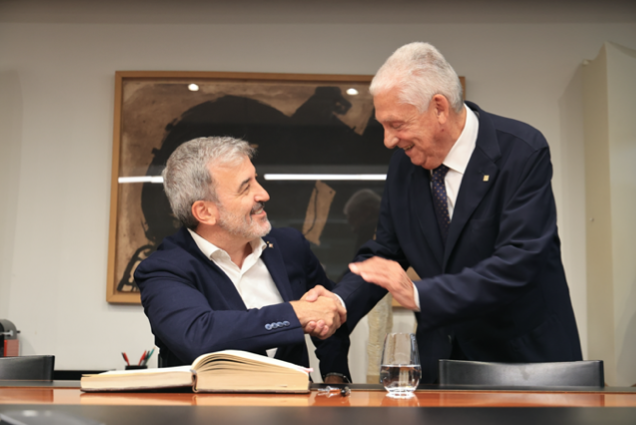
Image of the inauguration of the exhibition “Going Out to the Day” at the Egyptian Museum in Barcelona.
The Clos Archaeological Foundation and the Egyptian Museum
In parallel with this exhibition, a wide range of parallel activities have been scheduled for this temporary exhibition, such as courses, conference sessions, guided tours of the exhibition, children's activities, visits to the permanent collection, etc.
It must be said that this exhibition has been possible thanks to the Clos Archaeological Foundation and the Egyptian Museum. This Foundation was founded at the end of December 1992 on the individual initiative of Jordi Clos as a result of his passion for Egypt. With the mission of making known the cultures of Antiquity, especially that of Pharaonic Egypt, having reached its 30th Anniversary with the satisfaction of having fulfilled its main objective.
Since its inception, the Clos Archaeological Foundation has been committed to the research, study and dissemination of ancient Egypt and has developed, with entirely private resources, a wide range of activities in favor of the culture, art and history of the ancient world. Currently, to achieve the economic sustainability of the entity, the Foundation organizes an average of 1,500 activities per year, aimed at all audiences, from guided tours, children's workshops, summer camps, courses and conferences, without neglecting trips or night activities such as the Eternal Banquet.
You may be
interested
...