contests
20th anniversary of Inundart
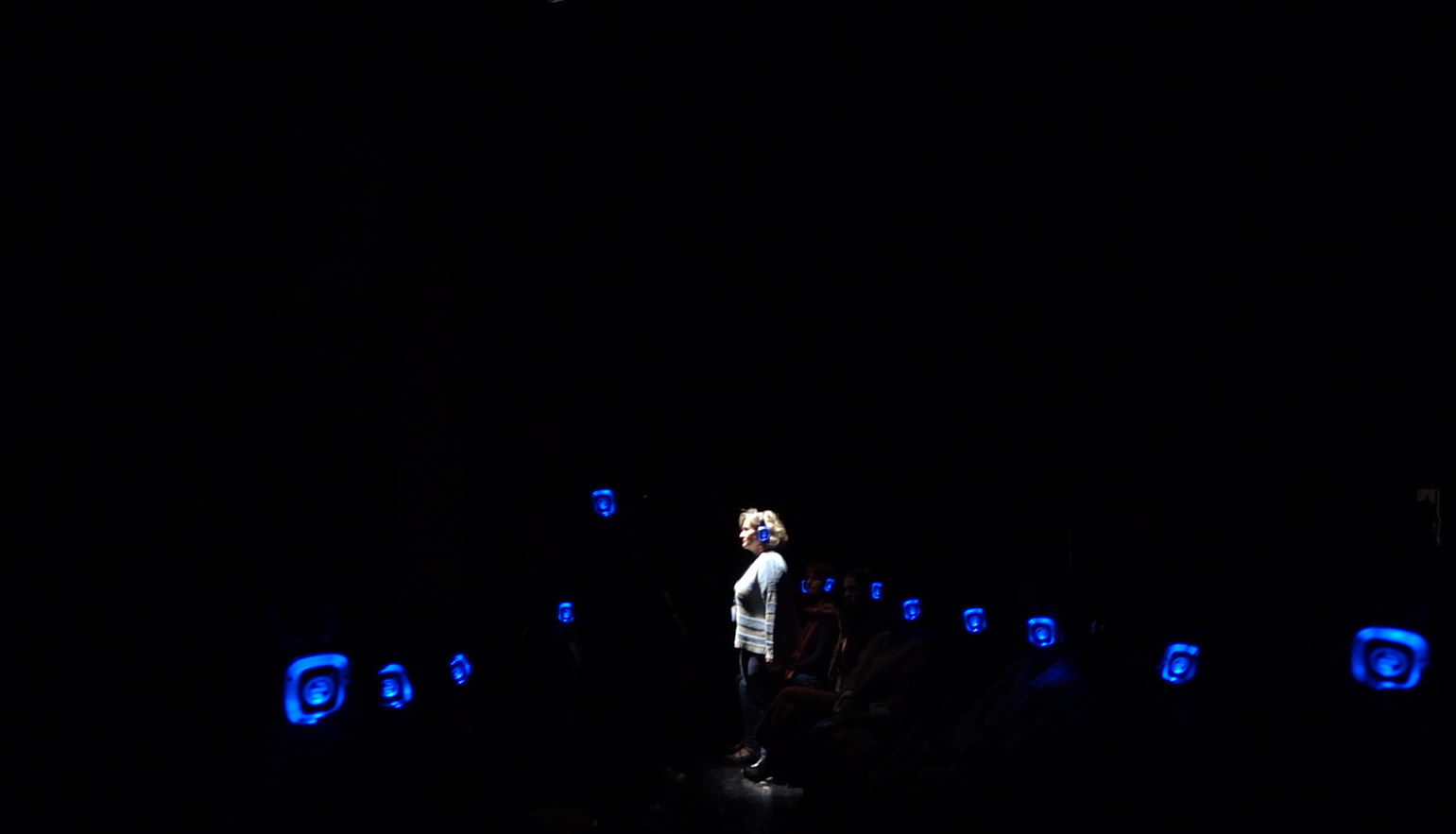
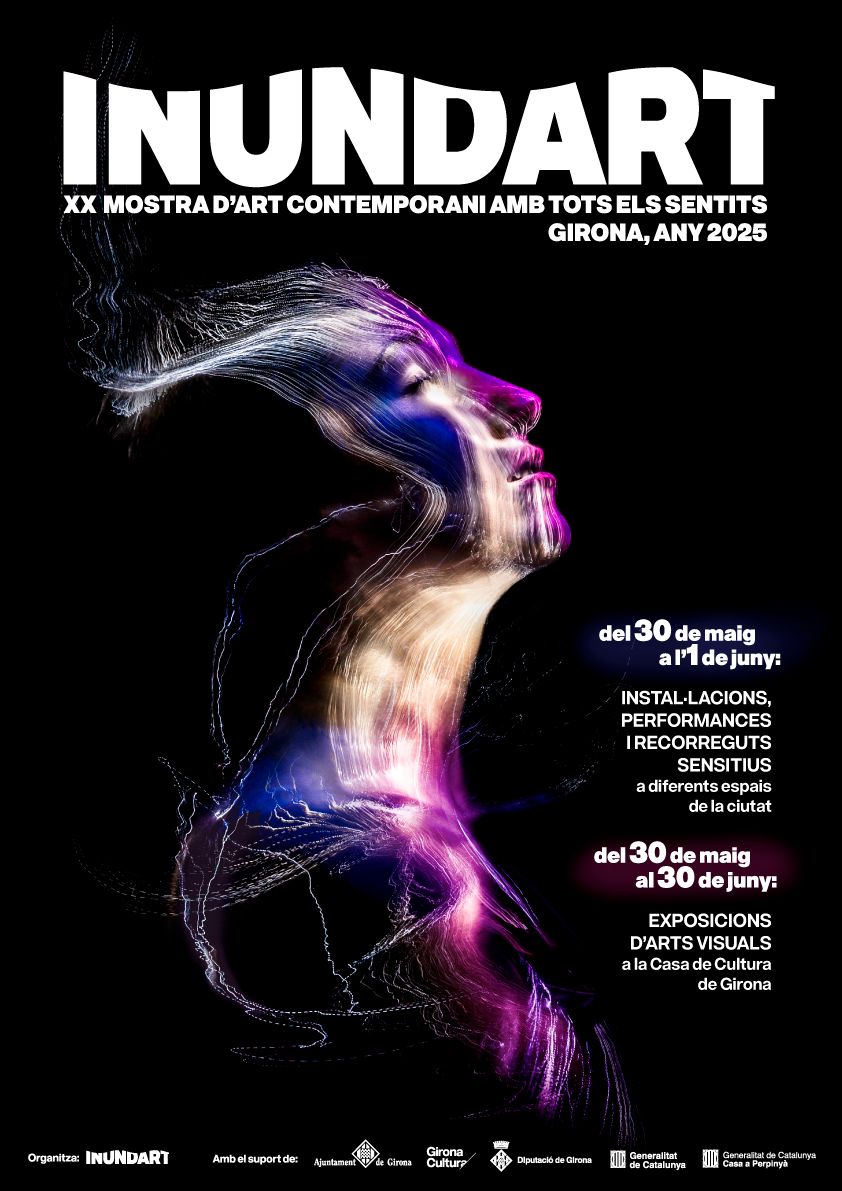
From May 30th to June 1st, the 20th edition of the Inundart 2025 Festival will take place, which this year has as its main motto and novelty that art ceases to be a spectacle and becomes a collective experience .
With this twentieth edition, the festival consolidates itself as a reference event within contemporary visual arts. With a history marked by social commitment, artistic quality and commitment to cultural democracy, the exhibition continues to be a key meeting point for artists, audiences and entities from different fields. The long history of the exhibition encompasses a wide variety of practices related to contemporary visual arts, such as painting, photography, digital art, sensitive journeys, sound art, installations and community art projects.
For this year's edition, the festival is committed to a quality creative language, with proposals that mix traditional techniques with innovative and experimental formats, while claiming the need to give more visibility and institutional support to the visual arts. It also defends the professionalization of the sector as a key element for the dignity of artistic work, while offering spaces for exhibition, production and dialogue for young and long-established artists.
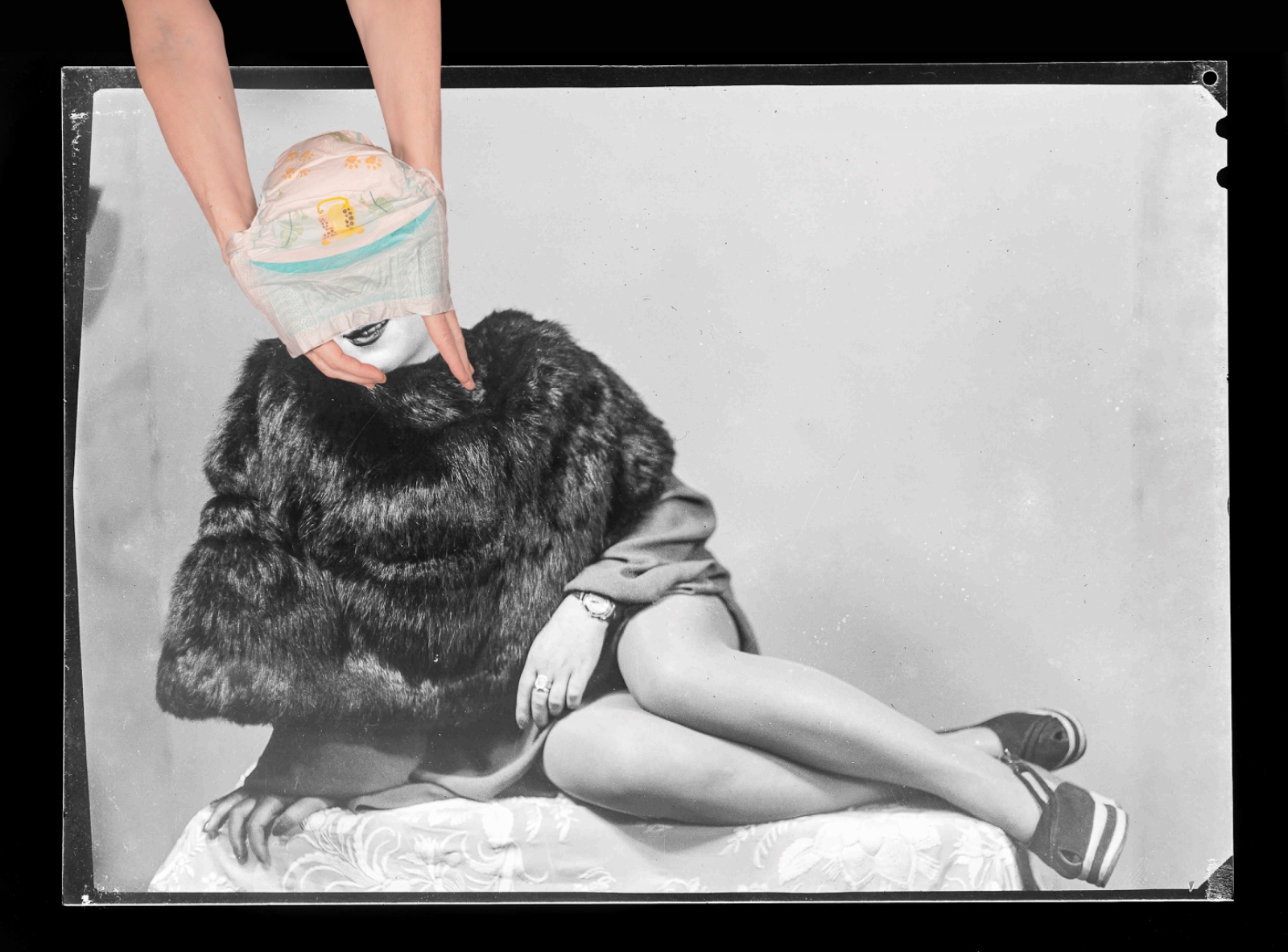 Joana Cases Poves
During the last weekend of May, the festival will bring together a total of 24 artists with 22 proposals selected, on the one hand, from an open call that has received more than 250 projects in the field of contemporary visual arts and, on the other, through a selection of invited artists based on their career. This allows for a balance between established artists and artists with difficulties accessing the artistic circuits.
The activities will extend across several emblematic outdoor spaces in the city of Girona —such as Rambla de la Llibertat, Punt de Trobada or Plaça de la Volta d'en Rosés— and will have their heart at the Casa de Cultura de la Diputació de Girona, the historical and symbolic epicentre of the festival.
A participatory and socially committed festival
One of the most outstanding essences of Inundart is its participatory and interactive character: spectators stop being passive recipients and become active participants in the creative process. This approach is expressed through open artistic residencies, co-creation processes with high school students, community projects in neighborhoods of Girona and collaborations with the Bòlit Contemporary Art Center.
The festival takes on a clearly social and activist dimension, forging alliances with more than 20 cultural and social entities that work in areas such as immigration, the right to decent housing, community health or social justice. This collaborative network allows visual art to act as a vehicle to address urgent and complex issues, favoring collective expression, denunciation and the creation of alternatives.
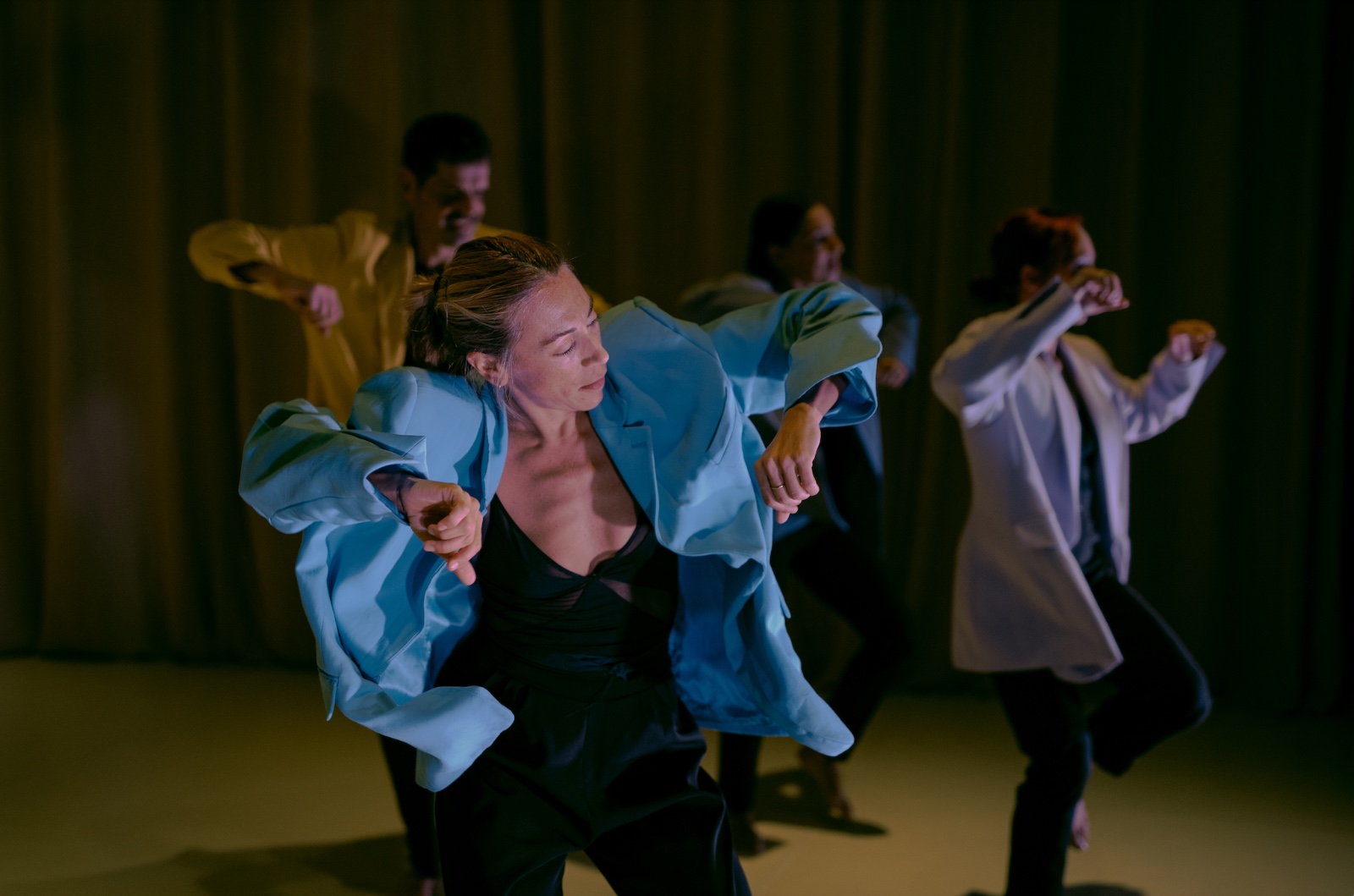
This edition stands out for proposals such as Cia. Sargantana , a community art project resulting from the collaboration between the company, the Barri Vell Civic Center, the Ateneu 24 de Juny and the festival; Un matchis desert, an artistic intervention; Cia. Marubo , with the show (a) Real; the community art project Mirades Compartides, with the proposal Òrgans que palpiten; Jo fa segles que ho estic, by Joana Casas Poves , a feminist and intergenerational space; the audiovisual installation Roseta. Memory in resistance, by Neus Solà and Marta Cardellach ; and the impactful work by George Ramos , La Pèrdua, among others.
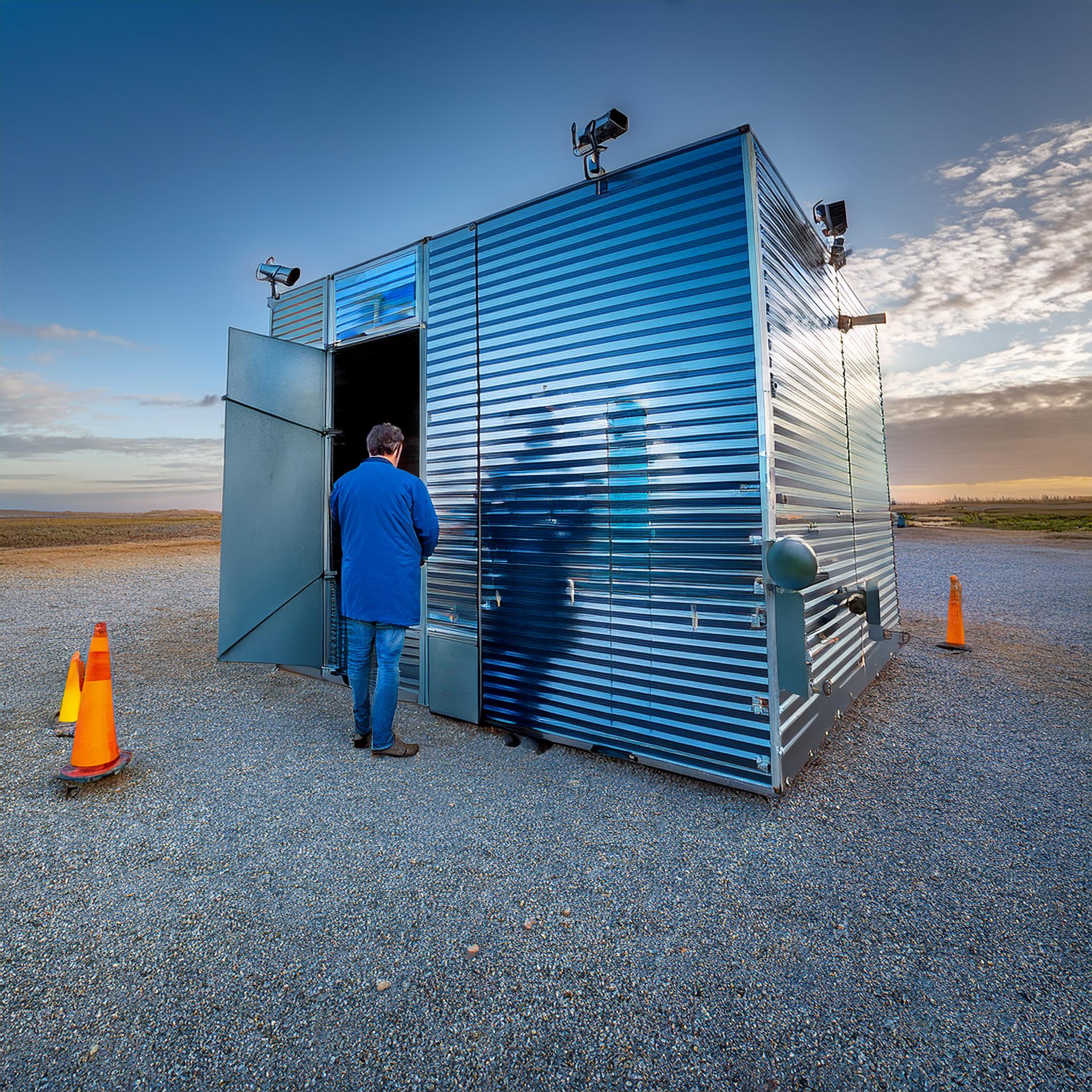 Introscopia, Àlex Rigol
Commitment to ecology and sustainability
On the other hand, the festival reaffirms its role as a catalyst for cultural democracy, promoting committed, participatory and innovative art, which breaks down barriers and generates dialogue with society. The exhibition also maintains its commitment to environmental sustainability and respect for the territory. Ecological art becomes a tool to reflect on the climate crisis and the links between nature, culture and community.
Some proposals that exemplify this look between art and territory are: Memory of rice in the trenches, by Jose Larrossa , within the Art per Tot initiative (Balearic Islands), the Passatges project, by Nathan Lopez Romero , within Art per Tot (Northern Catalonia), which presents an installation that proposes an altered reading of space and place.
In terms of art and technology , the festival also investigates how technology is redefining both artistic creation and the way in which the public perceives works. Through digital tools, artificial intelligence and immersive installations, the festival opens new paths of experimentation and exceeds the conventional limits of visual expression. It is worth highlighting proposals such as the WizTV collective, with Tres Torres - Simbiosi Tecnològica, the interactive and sensory installation Introscòpia, by Àlex Rigol , Cartographies Sonores, by Lighthink Lab (Guillem Fàbrega & Aleix Gorgorió), among others.
20 years of Inundart
To celebrate two decades of history, the festival has organized a special inauguration with an informal dinner in the courtyard of the Casa de Cultura, a concert by ThunderTrio and a photographic tour that captures the passage of time of the festival. This event aims to become a meeting place between artists, public, volunteers and collaborators of all editions, celebrating the collective memory and cultural impact of the contemporary visual arts exhibition in the city of Girona.
You may be
interested
...