Exhibitions
Memory in motion: the Basque Country returns to Venice fifty years later
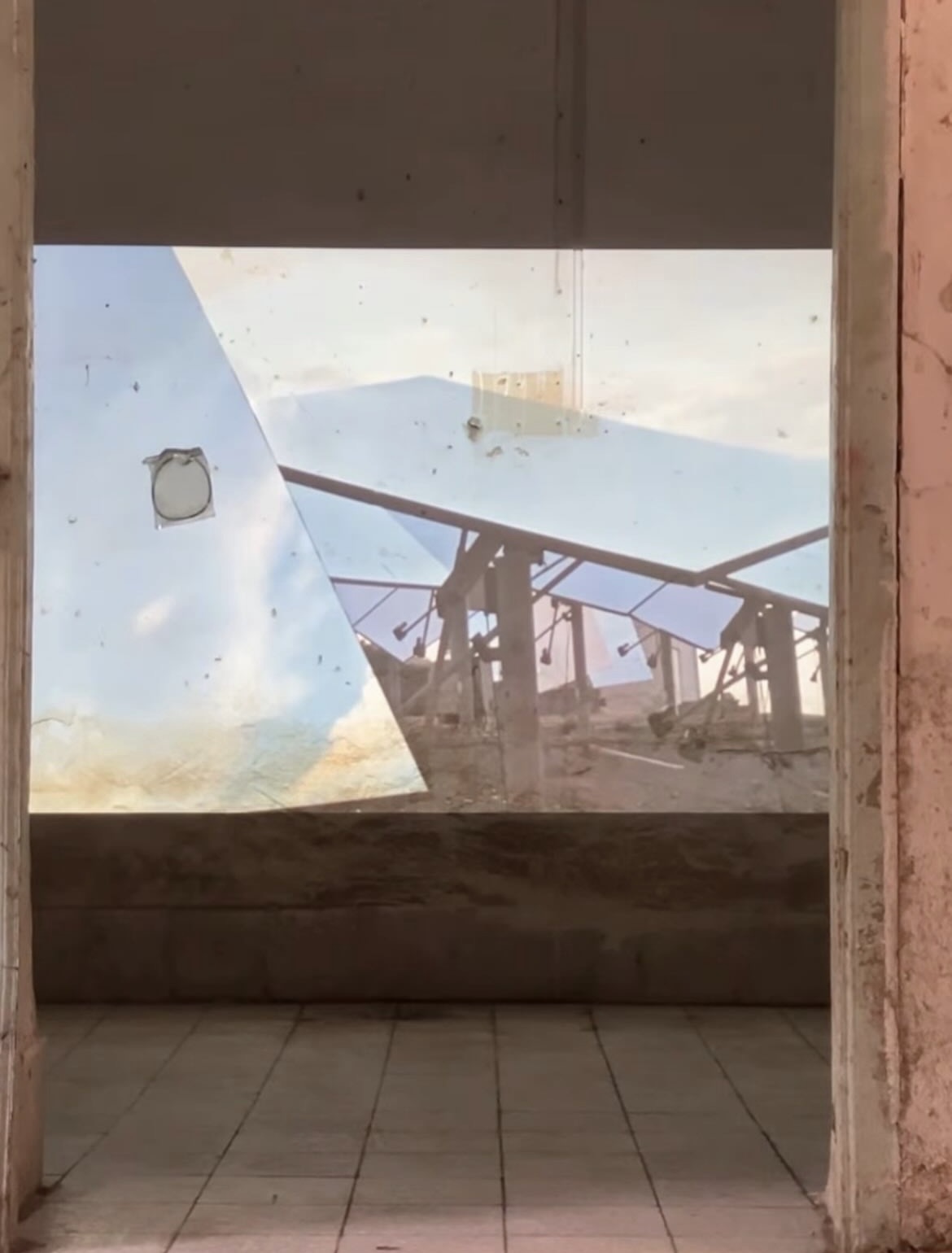
Half a century after its historic emergence onto the international stage, the Basque Country is once again placing itself on the global art map with the project I Baschi alla Biennale 1976/2026 . This initiative is not limited to commemorating a key episode, but proposes an active reinterpretation of memory, understood as a critical tool for reflecting on the present and projecting the future.
In 1976, during Spain's transition to democracy and amidst political uncertainty, a group of Basque artists managed to make their mark at the Venice Biennale. That participation was not only an artistic gesture, but also a cultural and political statement: art as a space for freedom, expression, and identity. Today, fifty years later, that momentum is being revived from a new perspective, with contemporary languages but with the same underlying conviction: culture as a space for dialogue with the world.
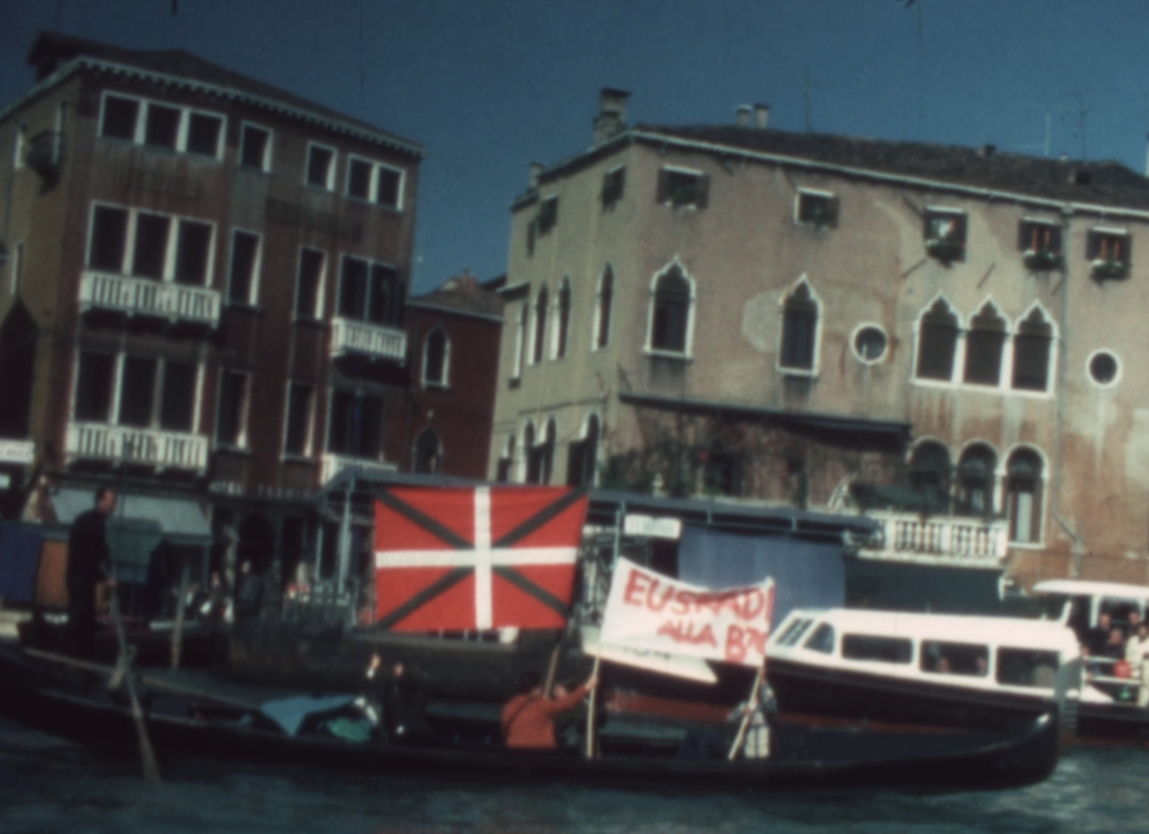
Euskadiko Filmategia-Basque Film Library / Juan José Lasa.
The project is structured as a multidisciplinary platform that combines artistic practice, academic research, and institutional reflection. Far from conceiving of memory as a closed archive, the initiative activates it as a living process, capable of connecting historical materials with new productions and thus generating renewed interpretations of current challenges.
The core of the project will take place in Venice between May 6 and 8, 2026. The opening will be held at the Palazzo Contarini della Porta di Ferro with a case study that will function as a living archive: a space where audiovisual, sound and documentary materials from 1976 will coexist alongside contemporary works.
May 7th will mark the most significant institutional moment with the official ceremony at the Scuola Grande San Giovanni Evangelista, which will be attended by Lehendakari (President of the Basque Government) Imanol Pradales. The choice of venue is not accidental: the same space hosted a political conference on the situation in the Basque Country in 1976, thus reinforcing the symbolic dimension of the project.
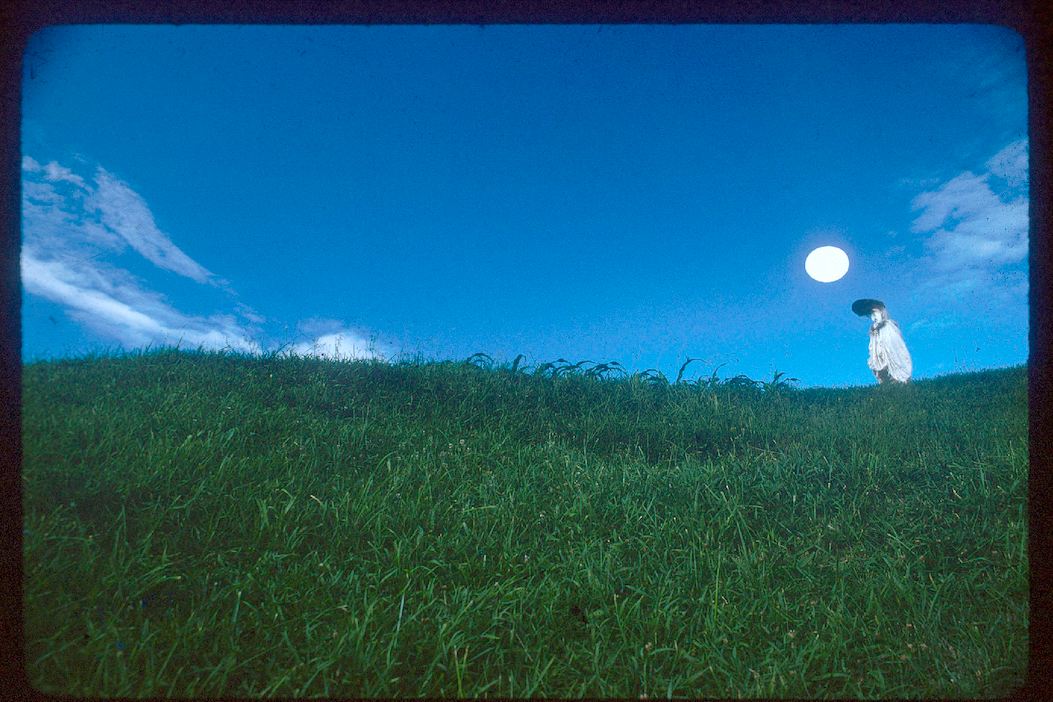
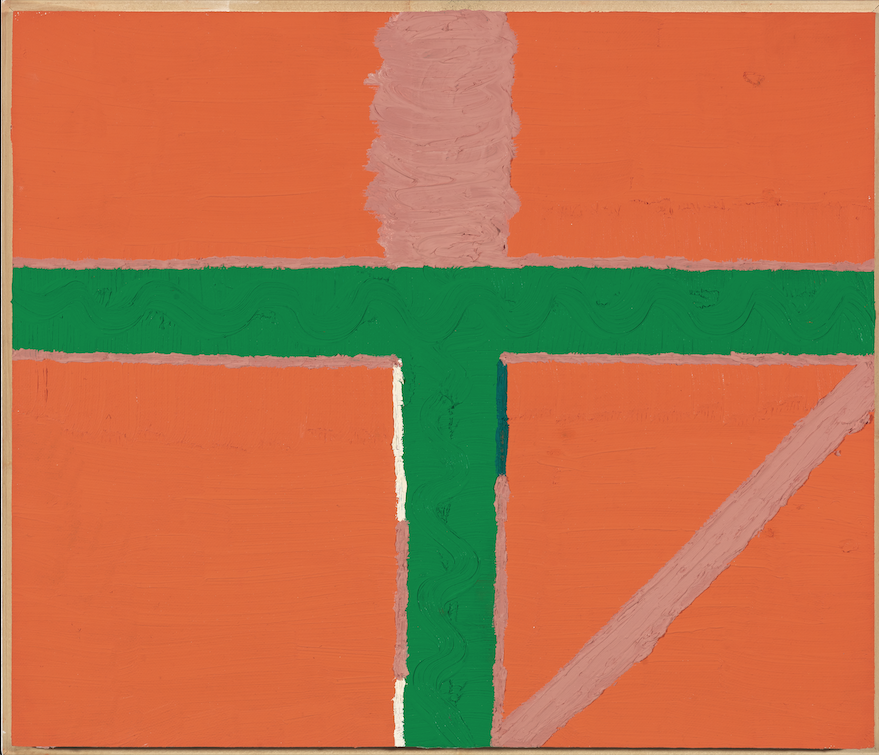
Jose Mari Zabala. Axut, 1975, © Jose Mari Zabala Artxiboa.
That same day, Ca' Foscari University of Venice will host the international conference "The Basque Country at the Venice Biennale, 1976: Remembering Forward ." The event will bring together researchers and artists to analyze the role of the Basque context in the international art scene, addressing issues such as identity, representation, and social transformation. The day will conclude with a performance by the Tripak collective.
The program continues in the afternoon at the Palazzo Contarini with a new opening and an intervention by the artist Itziar Okariz, whose work explores the boundaries of language and the body, reinforcing the experimental nature of the project. The Venetian program will conclude on May 8 with further artistic actions, including another piece by the Tripak collective, solidifying the bridge between past and present that runs through the entire project.
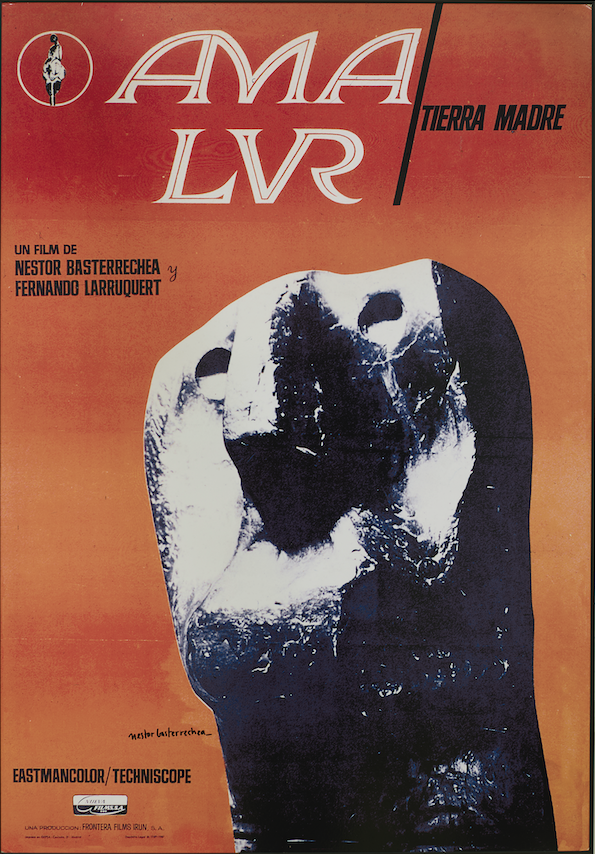
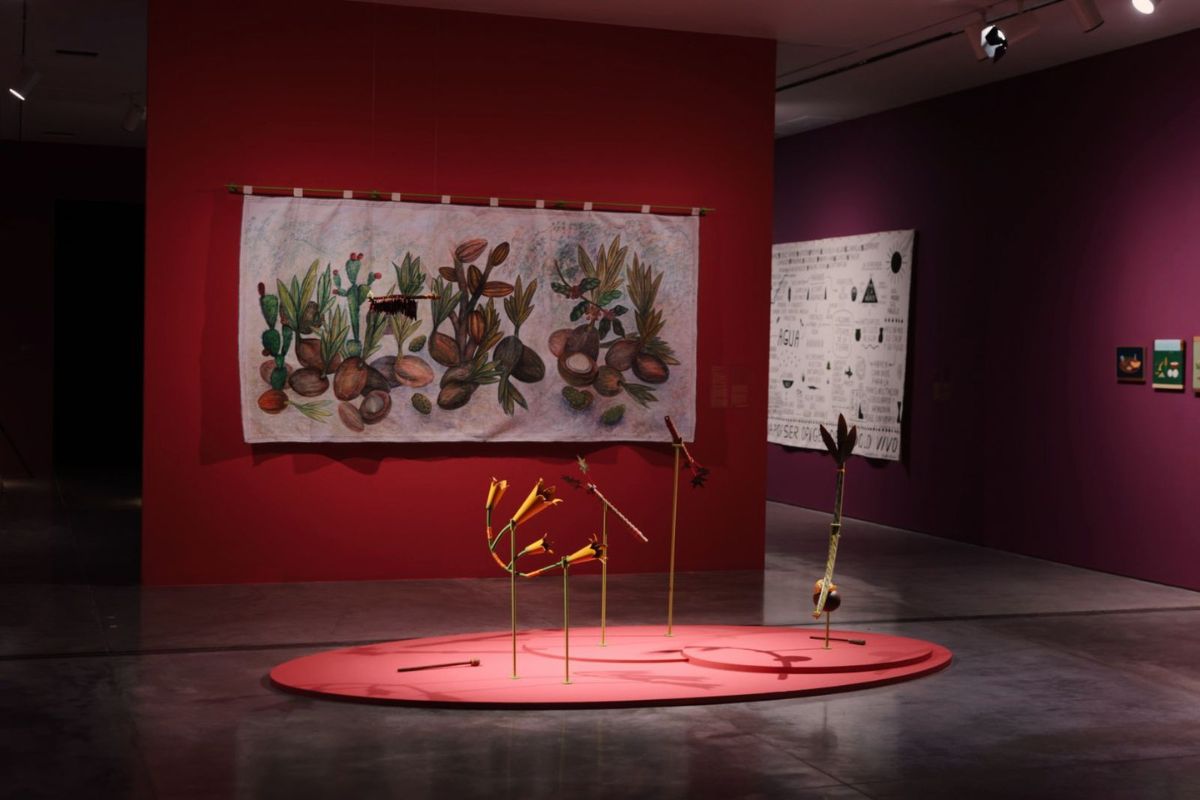
Néstor Basterretxea, Fernando Larruquert, Ama Lur, 1968, Museum of Contemporary Art of the Basque Country–Artium Museoa, Néstor Basterretxea Artxiboa.
I Baschi alla Biennale 1976/2026 will be an open research process that will continue later at the Artium Museoa. Promoted by the Basque Government and led by the Etxepare Basque Institute, in collaboration with the Artium Museoa and Ca' Foscari University, the project aims to create a space for encounter between generations of artists, researchers, and audiences. In this return to Venice, the Basque Country not only revisits its history: it reactivates it, questions it, and projects it into the future.


You may be
interested
...