Exhibitions
From the Amazon to Mexico City: Wayamou and the exchange of knowledge
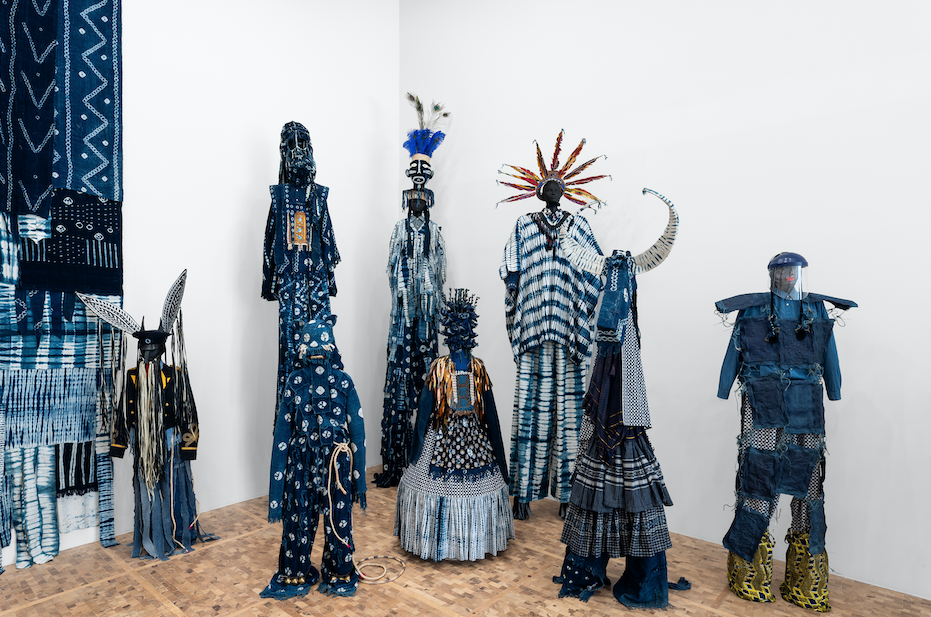
The Tamayo Museum of Contemporary Art inaugurates its 2026 exhibition season with Wayamou: Languages of the Common , a show that presents an aesthetic experience deeply rooted in listening, memory, and reciprocity. Presented for the first time in Mexico, the exhibition brings together more than one hundred works by Laura Anderson Barbata (Mexico City, 1958) and Sheroanawe Hakihiiwe (Sheroana, Venezuela, 1971), artists who have developed a collaborative practice over more than three decades, marked by dialogue, the exchange of knowledge, and a critical perspective on the interdependence between humans, nature, and cultural languages.
Far from being merely a visual experience, Wayamou unfolds a profound reflection on cosmogony, spirituality, and ecology as active and living forms of knowledge. Its title refers to the Yanomami term wayamou—a ceremonial dialogue intended to maintain peace and resolve social conflicts—which becomes a metaphor for a more humane and conscious coexistence in times of global polarization.
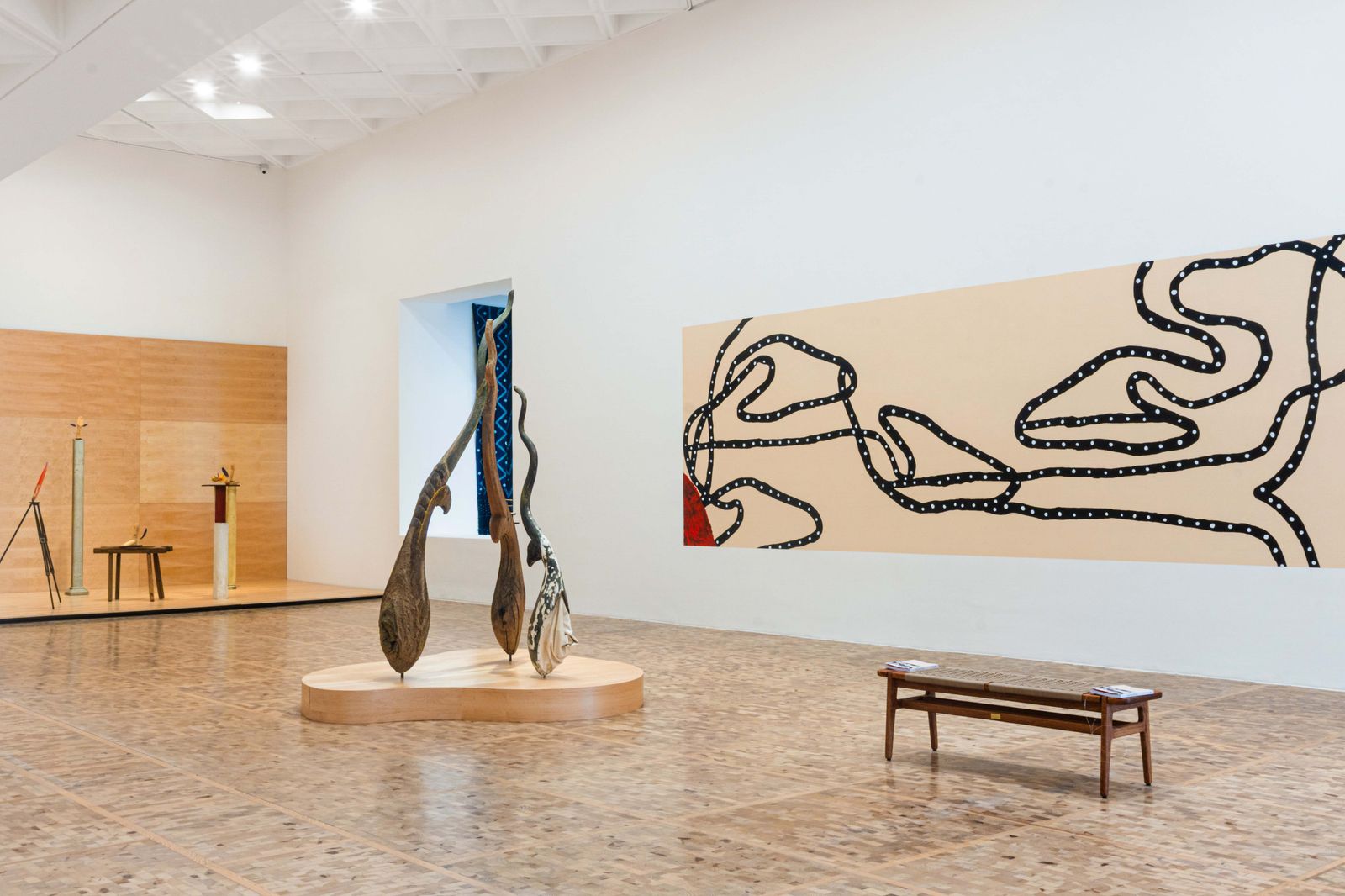
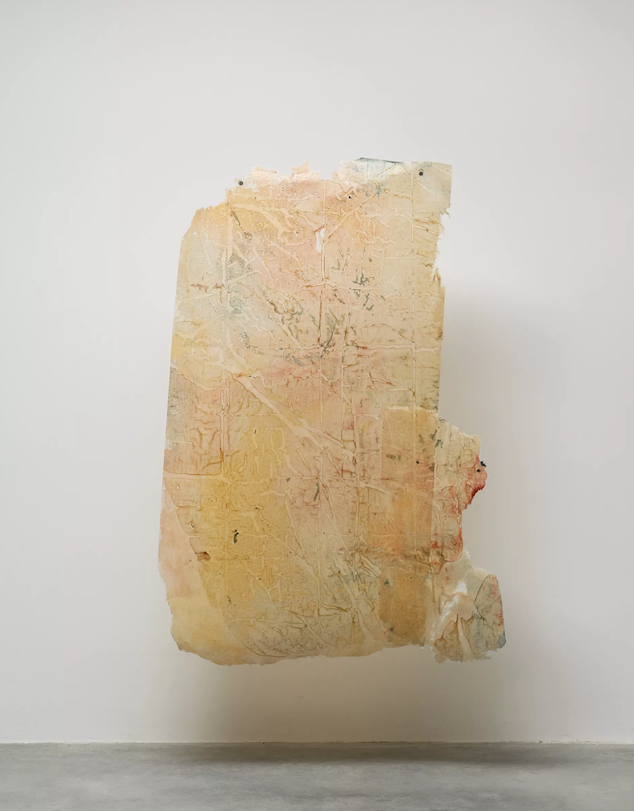
The exhibition stems from a foundational encounter: in the early 1990s, Barbata traveled to the Venezuelan Amazon and learned papermaking techniques from Ye'kuana communities, inviting participants to exchange knowledge. Among them was the young Yanomami man Sheroanawe Hakihiiwe, who discovered an artistic vocation in that workshop, leading him to develop a visual language deeply connected to his culture and the natural environment of the rainforest. In 1992, the two artists founded the Yanomami Owë Mamotima project, an initiative for the community to narrate its history from within, without colonial or anthropological intermediaries.
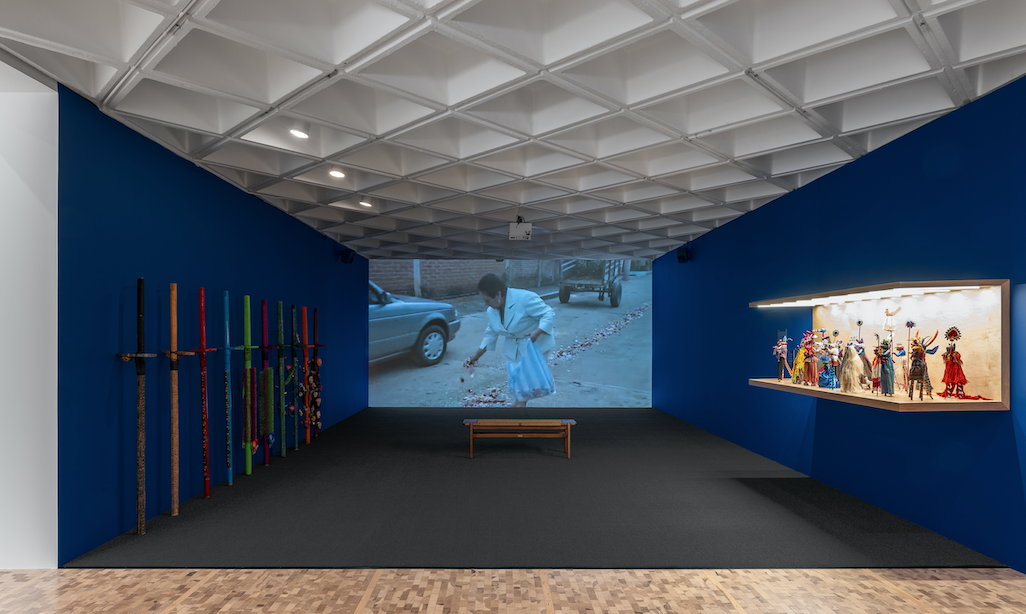
The Wayamou exhibition unfolds a constellation of techniques and formats—from drawing, sculpture, and painting to installations, video, and handcrafted publications—that articulate narratives about life in the Amazon, collective memory, and cultural resistance in the face of contemporary territorial and environmental crises. Hakihiiwe's work, inspired by the iconography and symbols of his people, translates the rainforest not as a distant landscape, but as a living network of spiritual presences, inviting a thoughtful and contemplative perception of the world.
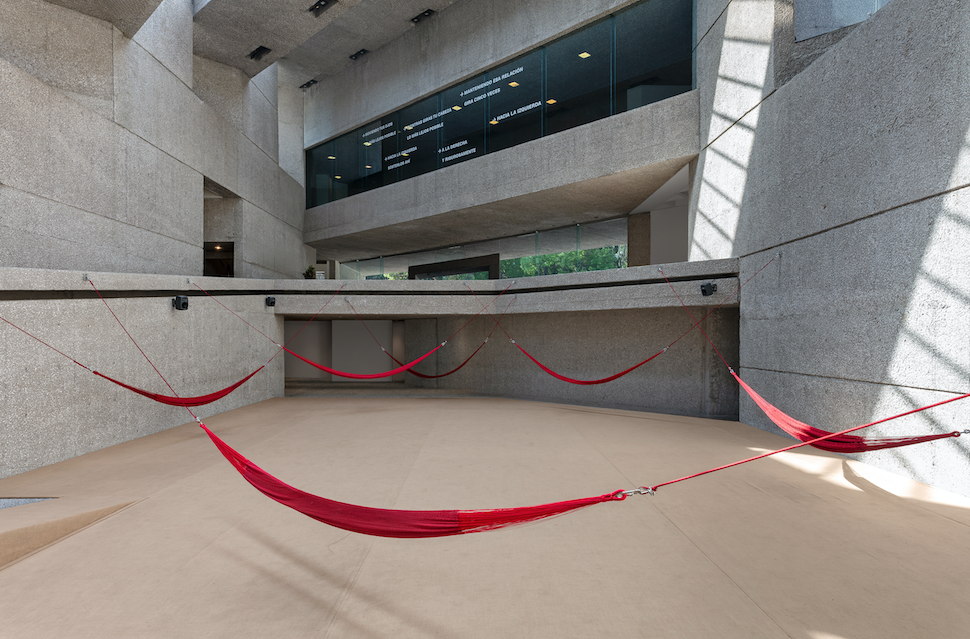
In the words of its curators, Andrea Torreblanca and Abril Zales, this exhibition challenges the traditional vision of contemporary art by focusing on creative practices that arise from reciprocity, community and shared memory, proposing to the public not only to see, but also to listen —as the Yanomami teach— from the depth of experience.
Wayamou: Languages of the Common is open to the public until May 10, 2026, offering an urgent invitation to rethink our ways of inhabiting the world and understanding the relationship between art, language and life.


You may be
interested
...