Exhibitions
Trabalho de Carnaval reinvents the great Brazilian festival at the Pinacoteca de São Paulo
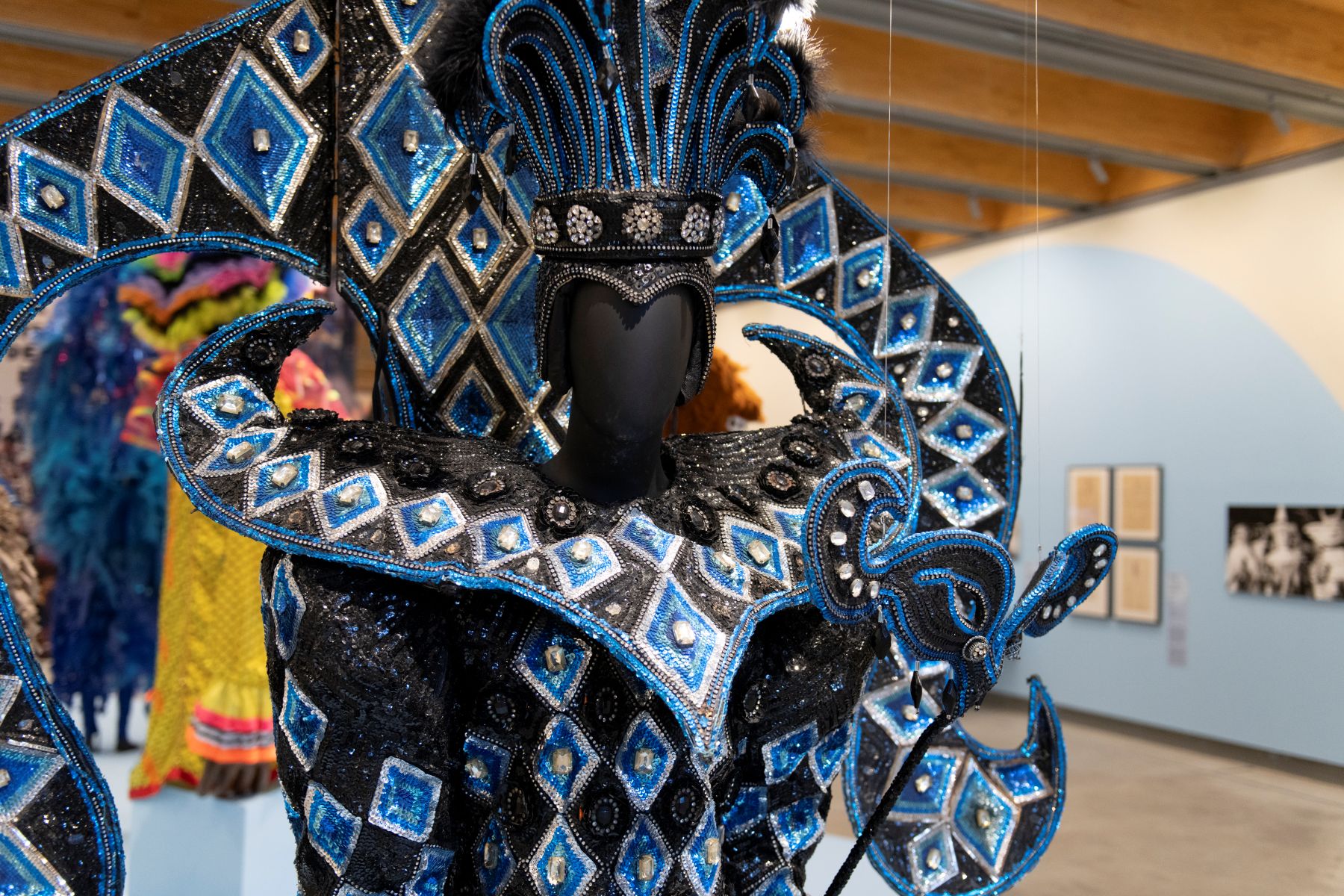
The Pinacoteca de São Paulo's last exhibition of 2025, or the first of 2026, Trabalho de Carnaval, proposes a collective look at Brazil's biggest popular festival through a collective exhibition that brings together works by 70 artists from different generations and backgrounds, including Alberto Pitta, Bajado, Bárbara Wagner, Ilu Obá de Min, Heitor dos Prazeres, Juarez Paraíso, Lita Cerqueira, Maria Apparecida Urbano, Rafa Bqueer and Rosa Magalhães.
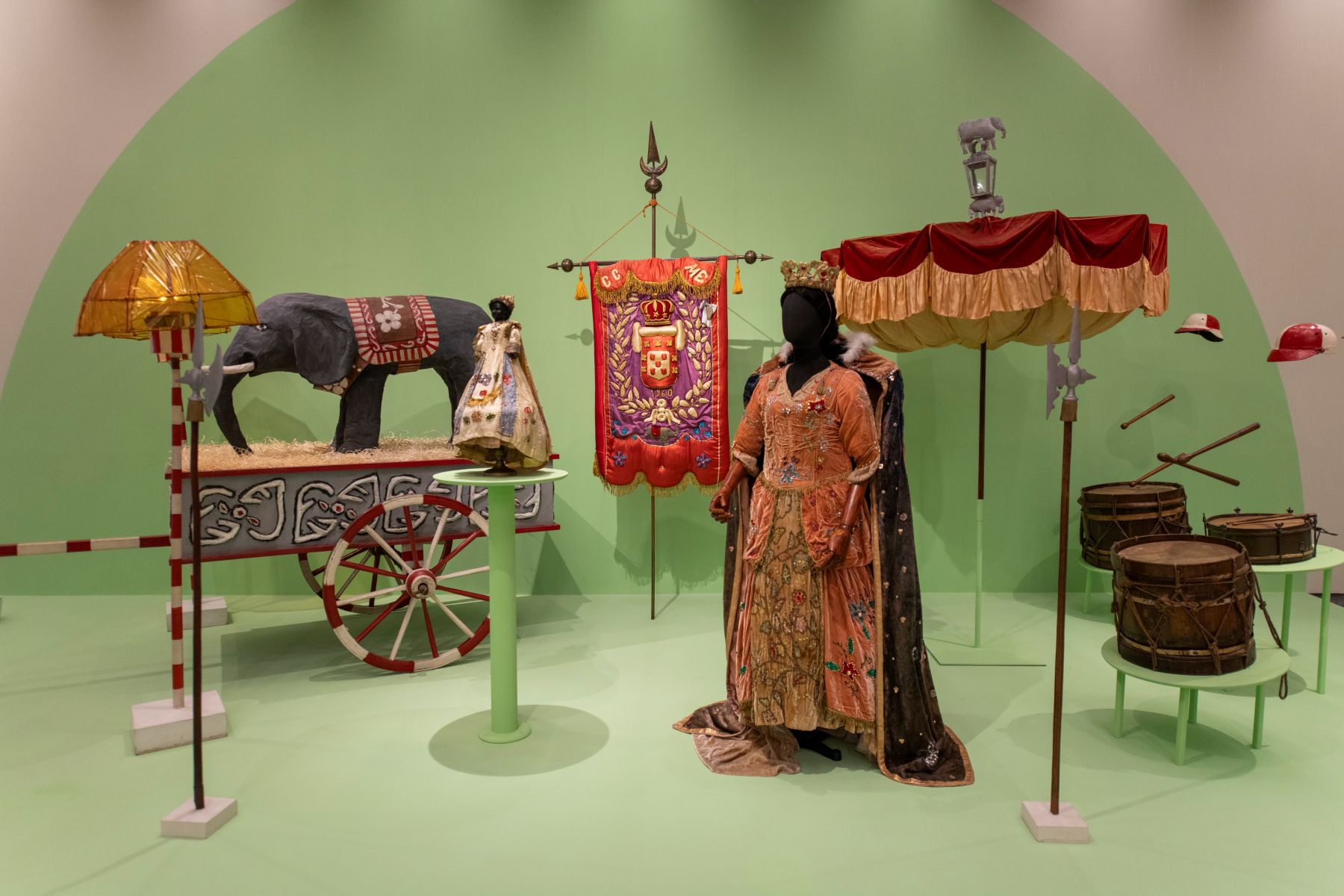
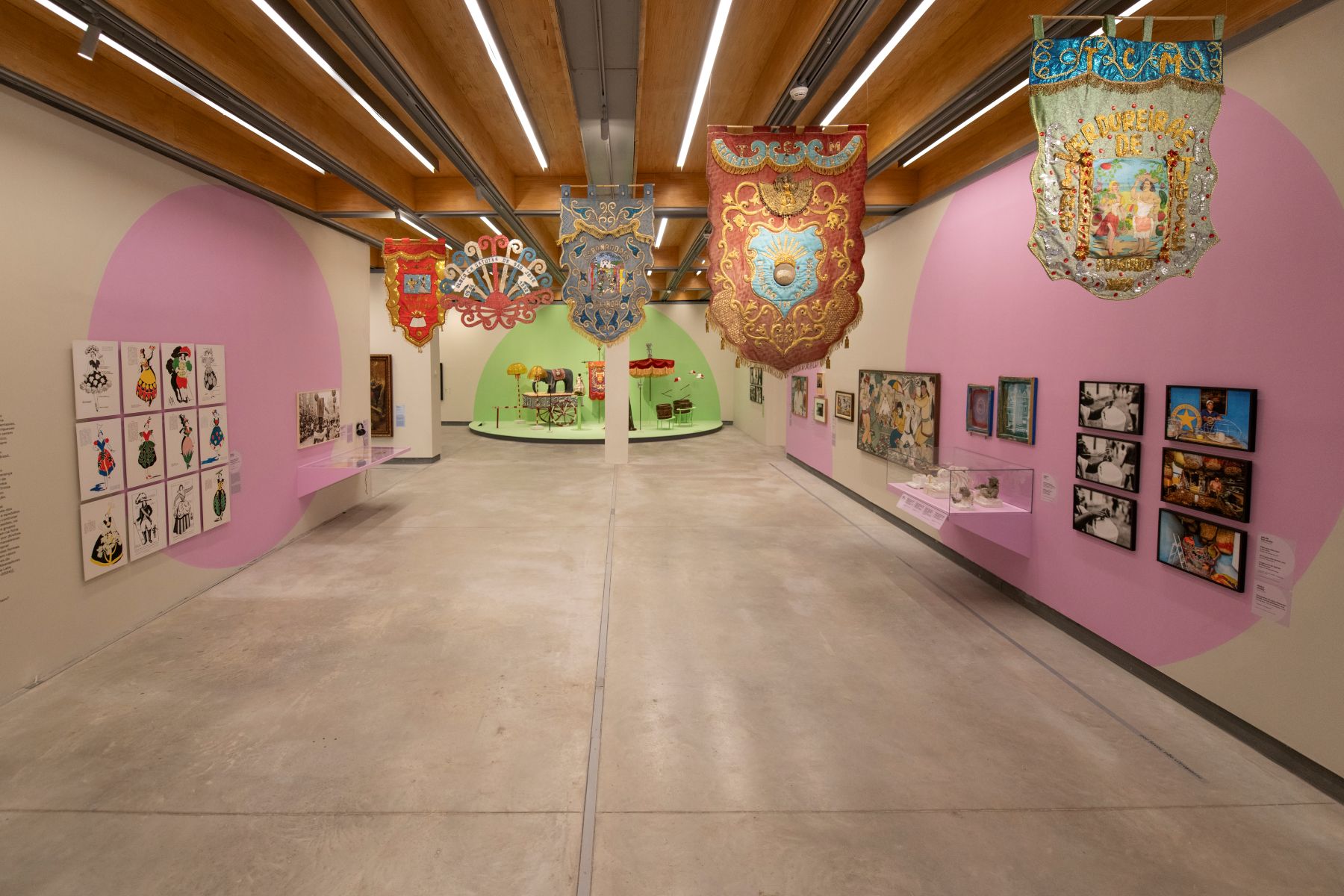
Installed in the Pina Contemporânea building, the exhibition, on view until April 12, presents around 200 pieces, including costumes, set and decoration projects, and historical documentation in photography and video, along with previously unseen commissions by artists Adonai, Ana Lira, and Ray Vianna. Rather than celebrating Carnival as a spectacle, the exhibition reveals it as a complex production chain that begins long before the drums start beating and highlights the often precarious and invisible work of those who make it possible.
Organized into four sections—Fantasy, Work, Power, and City—Carnival Work unfolds a journey that intertwines imagination, craft, territory, and politics. The Fantasy section explores the act of dressing up and the creative power of carnival, with sketches and projects such as J. Cunha's studies for Salvador and Joana Lira's for the urban decorations of Recife.
In Trabajo (Work), the works address the working conditions and representation of carnival workers, giving a face and voice to those who sustain carnival from behind the scenes. Ciudad (City) focuses on the relationship between carnival and urban or rural space, with images of blocks, ropes, and afoxés, such as Diego Nigro's photographs in Galo da Madrugada (2025). Finally, Poder (Power) celebrates the symbolic inversion of hierarchies: sugarcane workers transformed into kings and queens of maracatu in Pernambuco, and Black women and marginalized groups taking center stage as Ebony Goddesses, King Momos, and Carnival Queens in Bahia.
Thus, the exhibition paints a poetic and political portrait of carnival as a territory where imagination, work and identity intertwine to reinvent everyday life each year.

You may be
interested
...