Opinion
Art in real time: new ecosystems between artists, collectors and cultural platforms
For a long time, the art world functioned like a private social club. A small group of institutions, galleries, and experts decided who got in, who was left out, and which artists would be remembered.
The situation today is radically different. Art is still exhibited in museums and galleries, but the conversation surrounding it has shifted to a complex ecosystem of independent magazines, digital platforms, podcasts, and social media communities. Artists and collectors meet in comment sections, in the intimacy of long-form audio, and in the pages of small, specialized publications that circulate far from traditional art centers.
That's where art happens in real time: in the places where artists and art enthusiasts talk to each other while the work is still being created and the story is still being written.
From closed club to distributed conversation
In the 20th century, social proof in the art world was concentrated in very few hands. A small list of galleries, critics, curators, and institutions could make or break a career. The “art social club” was small, self-referential, and, above all, closed.
The 21st century has not erased these structures, but it has surrounded them with a much broader and more porous landscape. A distributed network has grown around the traditional system:
Independent magazines, both print and digital, run by artists, curators, and writers.
Podcast series where artists and collectors talk calmly, without the pressure of a twelve-minute interview.
Social media-based platforms that present new work daily and invite direct participation.
Newsletters and online publications driven by collectors that reflect on how and why collections are built today.
These spaces don't replace museums or galleries, but they do change the way artists and collectors access them. They offer visibility before representation, context before canonization, and connection before transaction.
Two sides of the same question
On the one hand, there is a growing audience, fascinated by art and creativity, that perceives the traditional market as a difficult territory to access. They visit exhibitions, swipe through images on their phones, follow artists on social media, but they still wonder: “Where do I start if I want to collect?”
On the other hand, there are the artists who feel the urgency of the present: political changes, technological acceleration, ecological anxiety, and social transformations. All of this translates into images, objects, texts, and performances. Many position themselves outside the traditional art circuits, but they perceive that interest in art is broader than ever. And their question is: “How do I reach the people who are looking for me?”
Ultimately, both sides are asking the same question: how do we stand?
New media ecologies act as bridges. A collector might hear an artist's voice on a podcast, then encounter their work in an online article, and subsequently follow their studio practice through images and short texts. An artist might discover that someone who bought a piece lives thousands of miles away and learned about them through a mention in a digital publication.
Social proof reconfigured
For artists, the issue of social proof is central. Who opens doors? Who says: this work deserves your time?
Previously, the answer was almost always a specific institution or gallery. Today, the signal is more dispersed. It can come from:
A series of essays and careful interviews in various small publications.
A sustained presence on curated digital platforms or in thematic series.
A conversation between peers, shared publicly, that travels further than any press release.
This doesn't automatically make the system fair and democratic, but it introduces more points of entry. Social proof becomes a network of references rather than a single stamp of approval. The gatekeeper's influence is less, but the process is more visible.
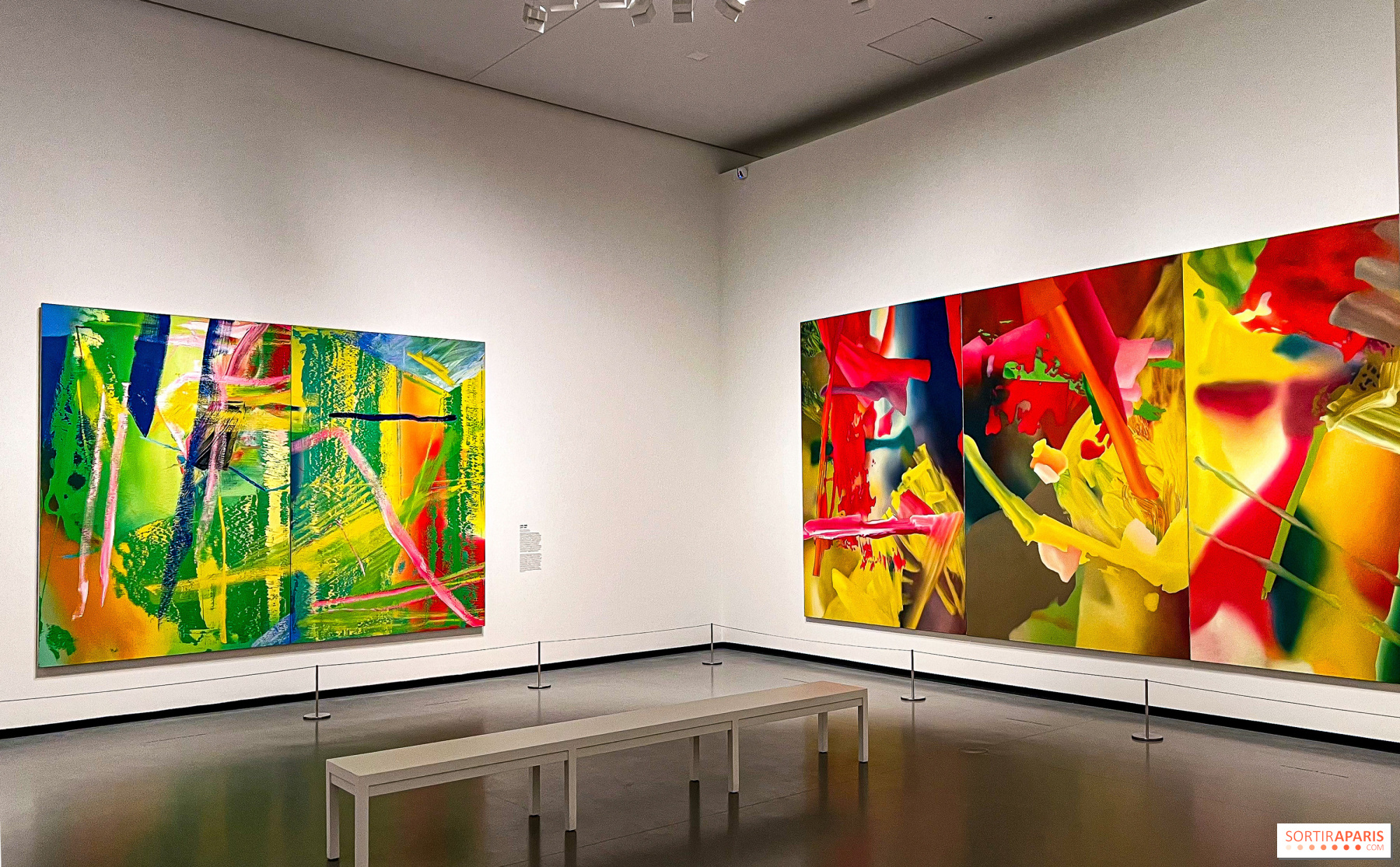
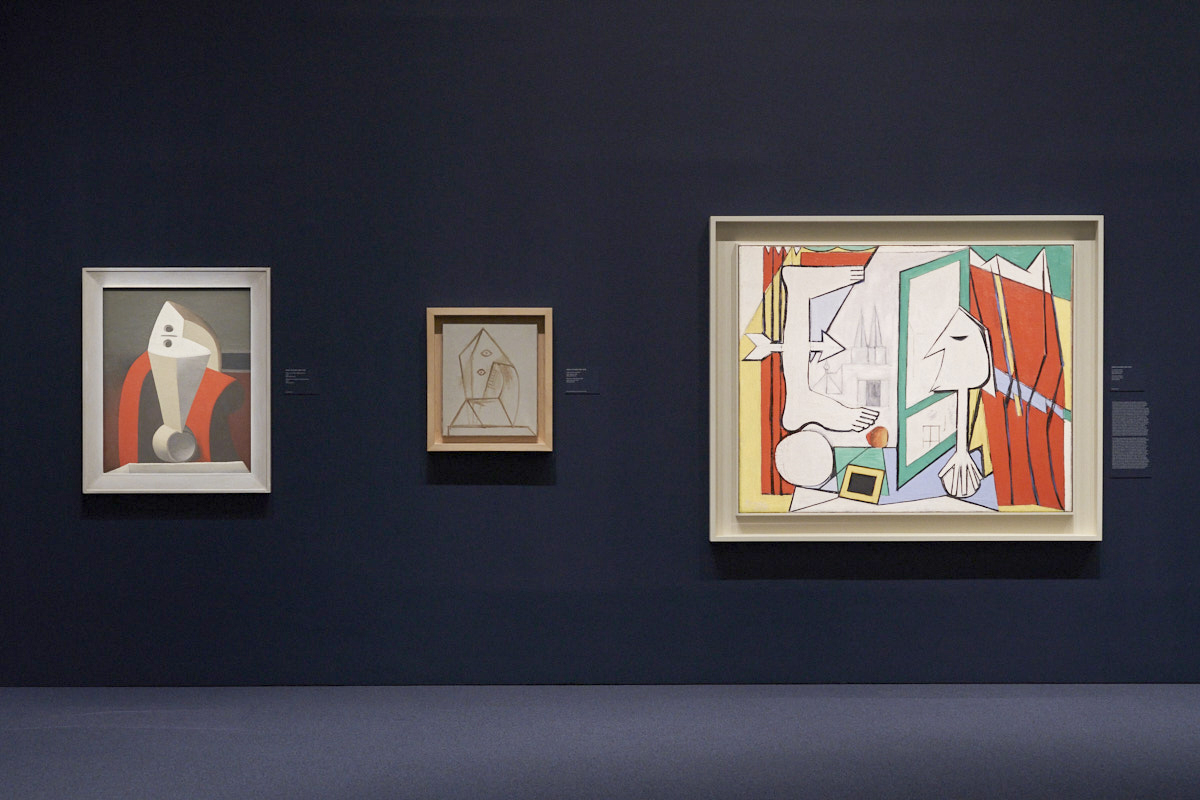
Louis Vuitton Paris Foundation.
Real-time art
“Real-time art” describes the experience of following artists as they respond to the present while it is still unstable. It is not a movement or a style; it is a way of paying attention.
From this perspective, a work of art is not just an object to be judged by historians in the future. It is also a document of this precise moment:
How a society relates to technology and speed.
How people process uncertainty, uprooting, or desire.
How communities imagine their future, their memory, and their place in the world.
Those who collect with this "real-time" approach don't just ask whether a work will appreciate in value. They ask what part of the present it's capturing and how this story will be interpreted in the future. New media ecologies, by publishing conversations, reflections, and images almost as they happen, allow for this interpretation while the artists are alive, accessible, and engaged.
A broader, more global map
The expansion of the artistic conversation is also geographical. The idea of a single Western center of art no longer holds true.
Artists and collectors are increasingly visible in places undergoing rapid transformations: India, China, Southeast Asia, the Middle East, various parts of Africa, and Latin America. These contexts combine technological acceleration, changes in social structures, and new economic realities.
There, artists don't simply "follow trends" from elsewhere. They document the impact of these changes on everyday life: new urban landscapes, the tension between tradition and innovation, the reconfiguration of family and work, and the environmental consequences of development.
When these works circulate through independent magazines, podcasts, and digital platforms, they become accessible to a global audience without losing their local specificity. A collector in Europe can enter into dialogue with an artist in Jakarta or Lagos not as an exotic curiosity, but as a contemporary colleague who addresses similar concerns from a different perspective.
What this means for collectors
For collectors, the new landscape brings responsibilities and possibilities.
Responsibility, because the speed and volume of information demand a more critical engagement. It's easy to be seduced by visibility alone; it's more difficult to grasp the profound questions posed by a body of work. Independent critical spaces, careful editorial selection, and long-form conversations are essential to distinguishing noise from a signal.
Possibility, because access is no longer reserved for those who live in a particular city or social circle. A carefully considered collection can begin with a single work discovered through a text, an interview, or a recorded conversation. The path is no longer linear; it requires placing each decision within a context.
A collection built in this way resembles less a trophy room and more a map of encounters. It becomes a record of the people, themes, and images that defined a moment from multiple perspectives.
What this means for artists
For artists, the challenge is to inhabit this expanded landscape without losing focus.
Visibility across various media channels can help, but it doesn't replace consistent practice. The most significant presence in these ecologies usually comes from artists who:
They maintain a clear line of research in their work.
They articulate their ideas honestly, resisting the pressure to simplify everything into slogans.
They connect with the public without turning their practice into a pure representation of themselves.
New media ecologies can amplify a voice, but they cannot invent it. The responsibility for defining that voice remains, as always, in the hands of the artist.
The role of critical journals
In this context, magazines dedicated to art and visual culture play a unique role. They occupy a space between the rapid flow of digital content and the slower pace of institutions. From this position, they can:
To offer critical distance on what emerges, beyond the immediate enthusiasm of the algorithms.
To provide continuity by following artists and themes over years, not just isolated publications.
Connecting local scenes with international debates without flattening their differences.
Working “in real time” does not mean surrendering to speed. It means accepting the present as a serious object of study, without giving up a long-term perspective.
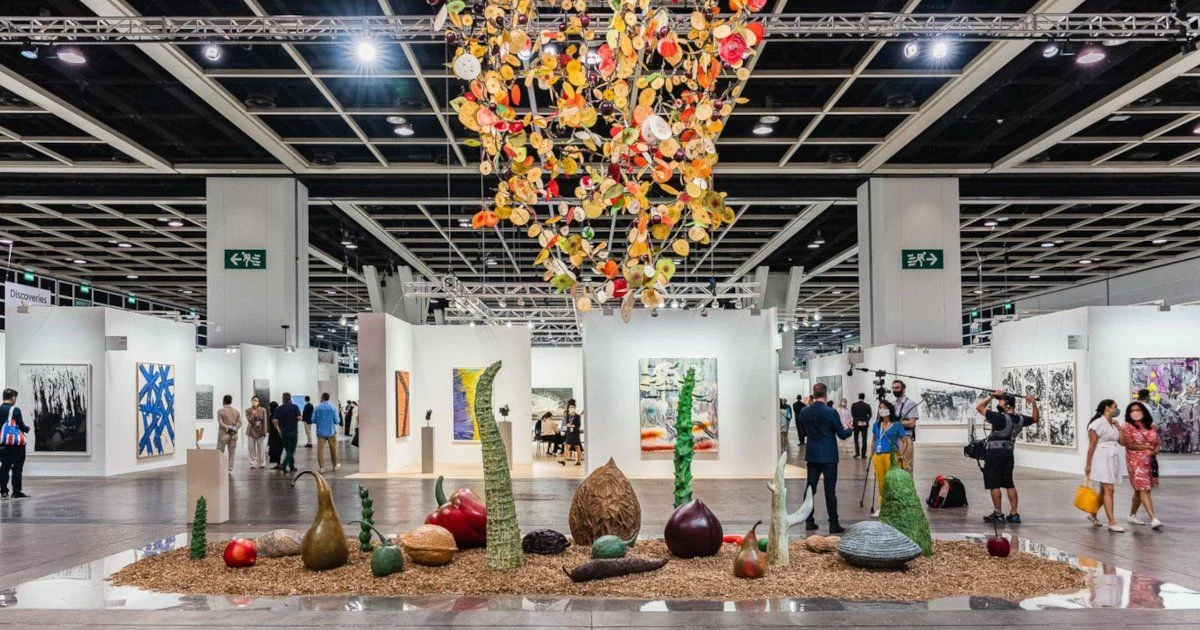
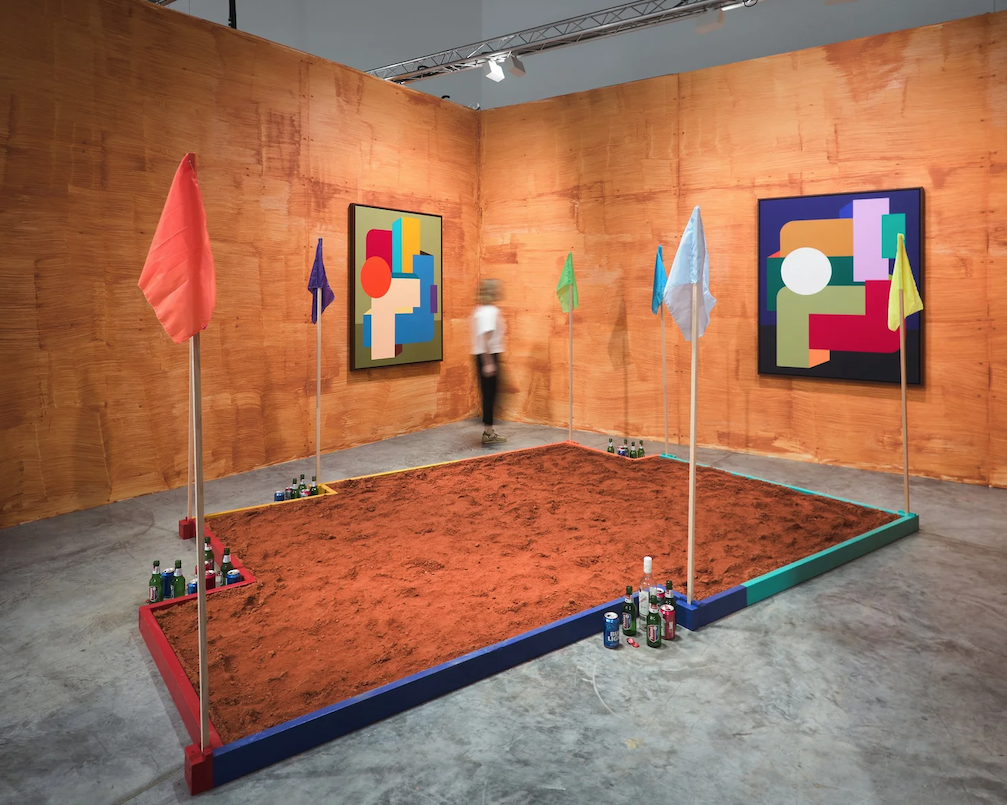
Art Basel Hong Kong.
The teachers of tomorrow, today
The search for the “masters of tomorrow” has always been part of criticism and collecting. The difference now is that these future masters speak directly to the public, across borders, in formats that didn't exist a generation ago.
They document technological revolutions, new forms of intimacy, environmental tensions, and shifting identities, not from the safety of historical distance, but from within uncertainty. Their voices travel through essays, images, conversations, and fragments that circulate widely and collide with one another in unexpected ways.
Paying attention to this art in real time means recognizing that the canon of the future is being negotiated now, publicly, on a field far broader than that old social club of art. The task is not only to predict which names will endure, but to understand what this expanded and plural present is trying to say about itself.
That is the challenge and the opportunity of our time.
You may be
interested
...