Exhibitions
Mapping liminal aesthetics
The career of the multidisciplinary artist Enrique Radigales, originally from Zaragoza and a pioneer in Spanish net art , has been distinguished by the development of a multidisciplinary language that flows in a hybrid, transitory and suspended state.
His artistic practice reflects on the paradox of an undefined, unfinished, and liminal space, susceptible to constantly generating unstable situations. Within this framework, the artist combines digital methodologies and techniques (such as HTML, glitches , and the use of AI) with analog pictorial procedures, from an archaeological and neo-romantic perspective, given his interest in obsolete technologies and the idiosyncratic persistence of traditional arts.
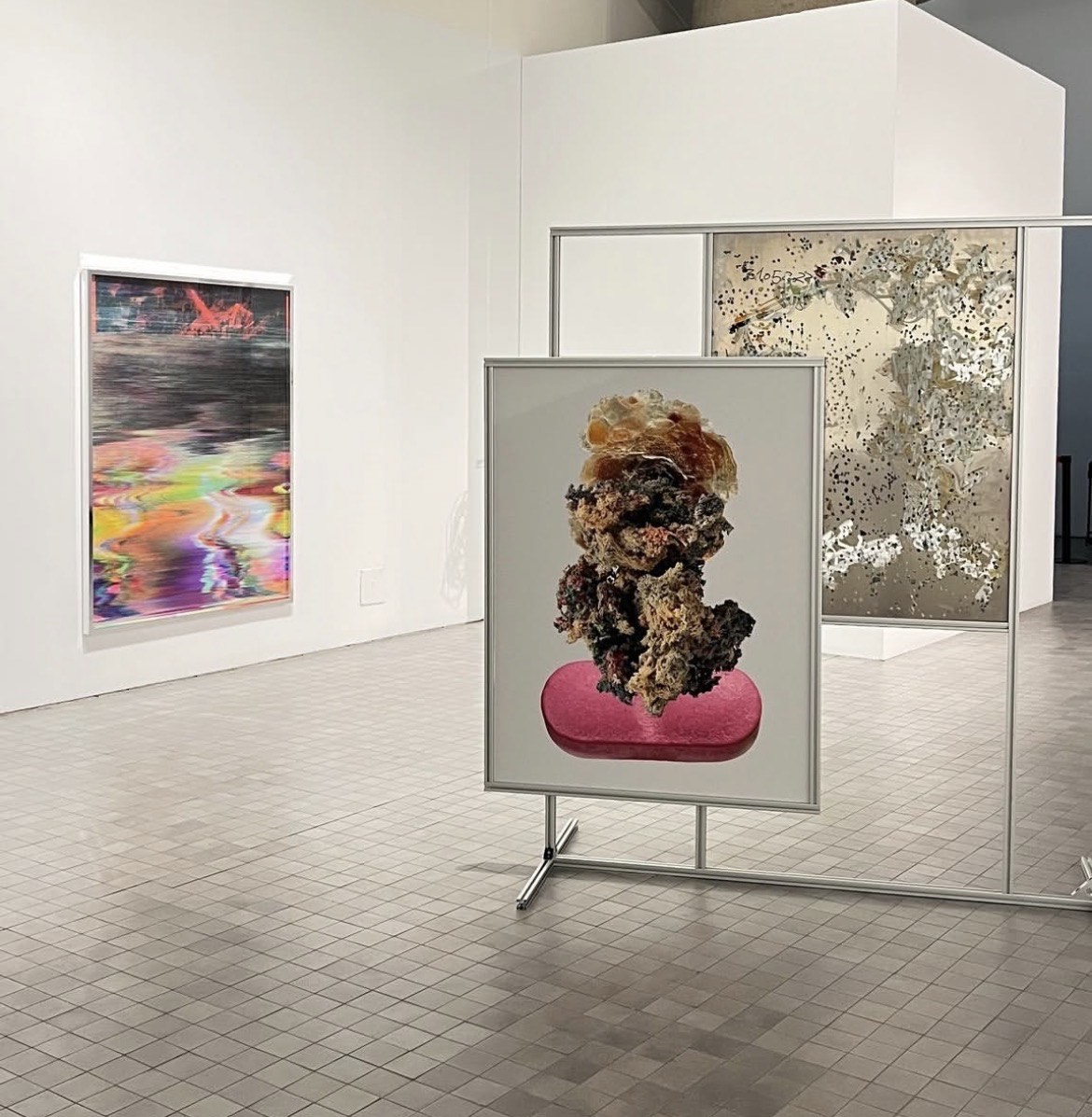
This conceptual universe will give rise to the exhibition entitled Limbe , which will take place at the Pablo Serrano Museum in Zaragoza between October and December 8, 2025, curated by art critic and historian Nerea Ubieto. This monographic exhibition, which, in the words of its curator Nerea Ubieto, “offers a look at the artist’s own reflections throughout his career,” invites us to reinterpret the tensions and paradoxes that have permeated and continue to permeate the artist’s works, from the uncertainty and sublimation of non-places, theorized by anthropologist Marc Augé in his book Non-Places: An Introduction to the Anthropology of Supermodernity (1992).
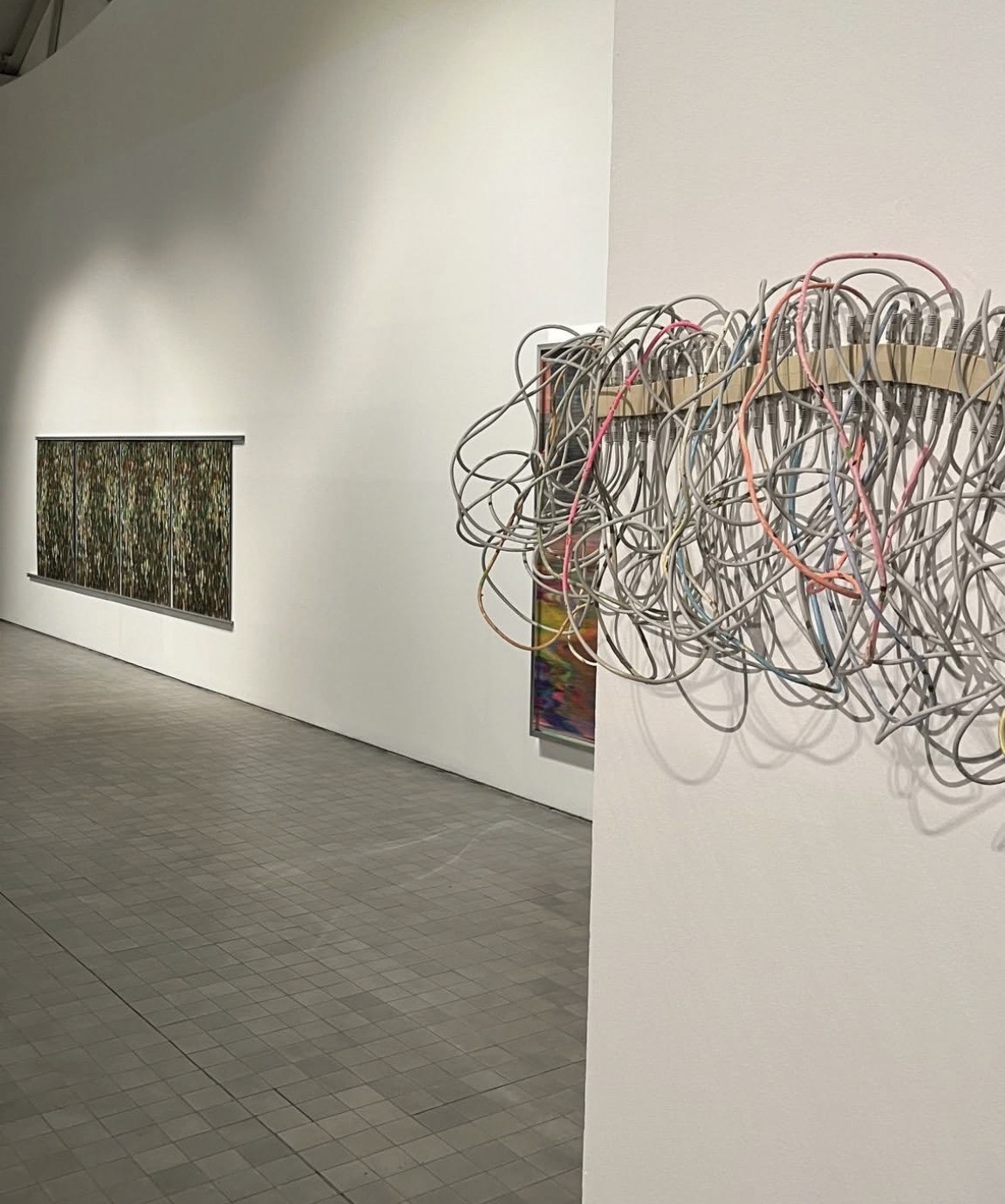
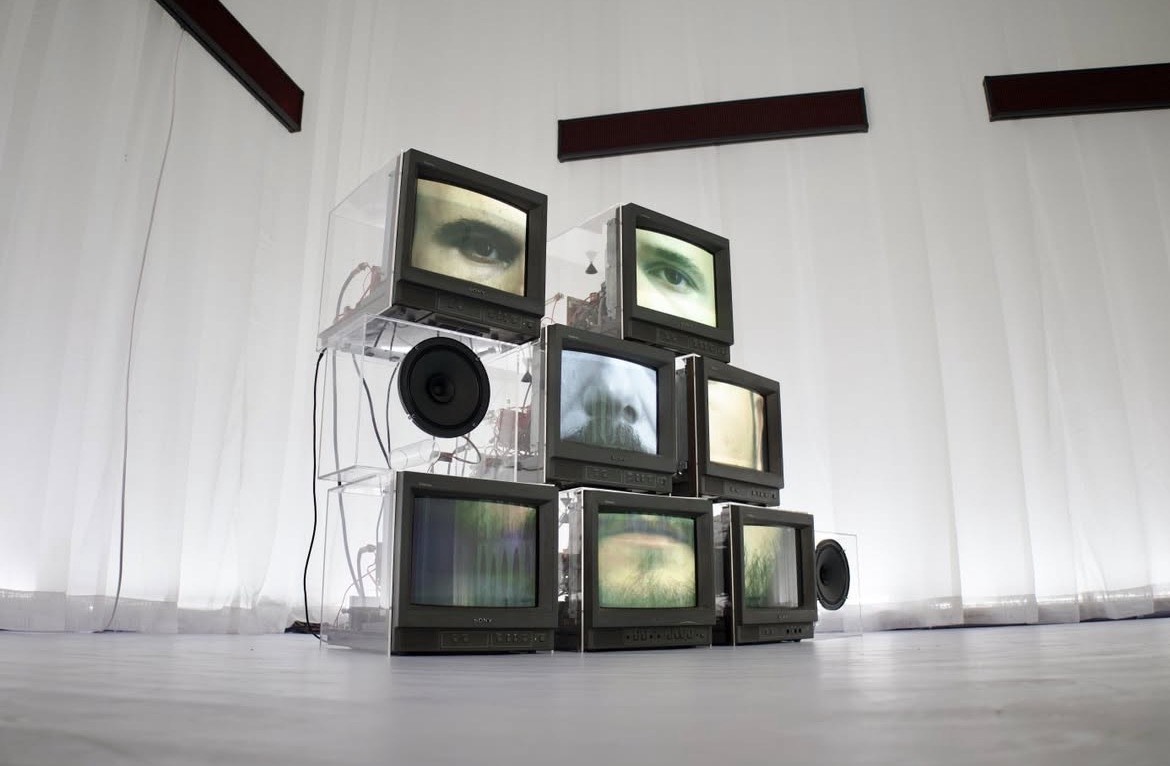
Radigales addresses functional and apathetic methodologies and machines, aiming to imbue them with a certain posthumanizing nuance, as in the sculptural piece titled Frieze (2011), which reproduces the keyboard of the Spectrum personal computer (Clive Sinclair, 1982). Also noteworthy is the painting Souvenir file (2013), the result of recovering photographs of the La Litwrea region (Huesca) that had been previously deleted from his computer.
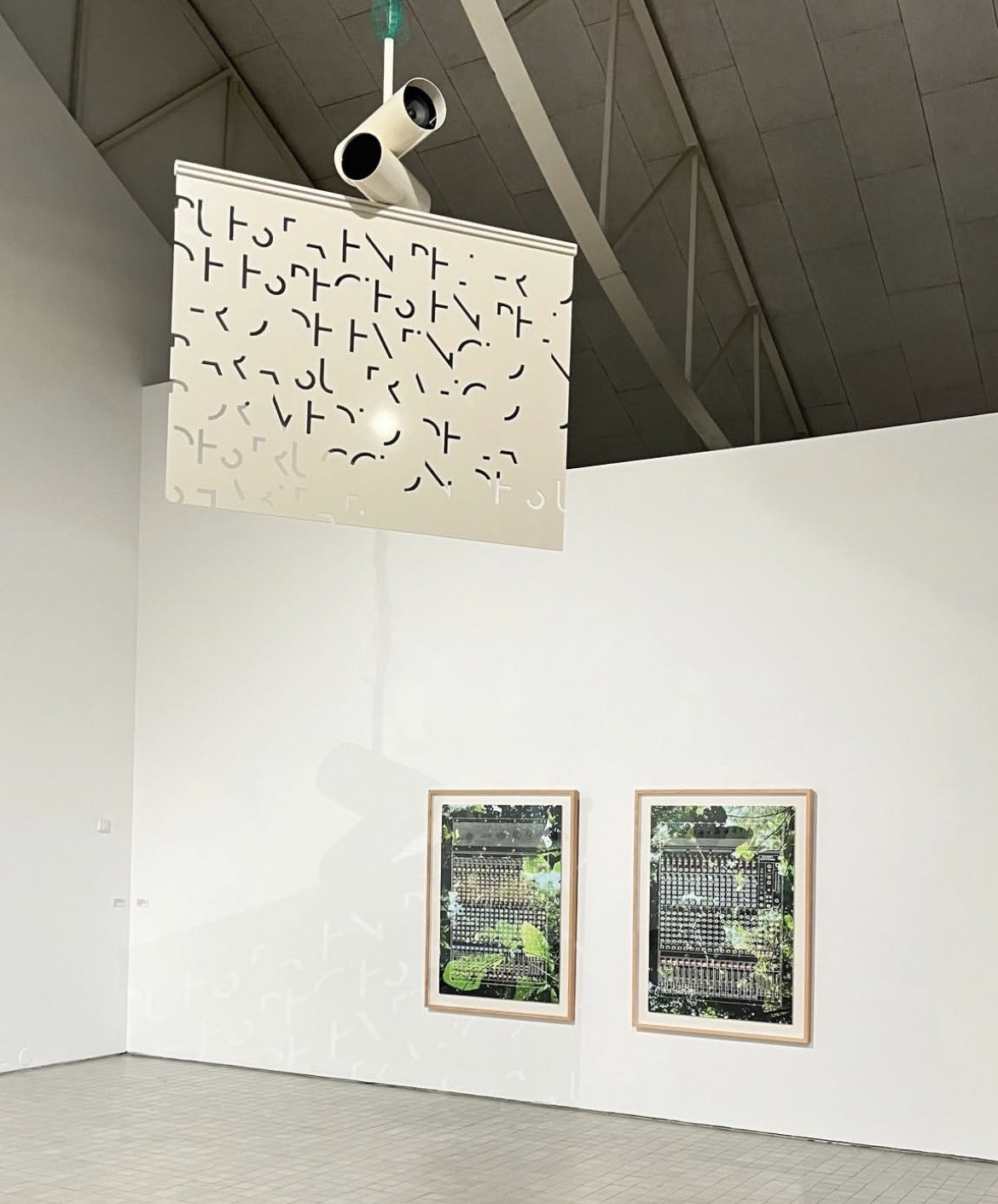
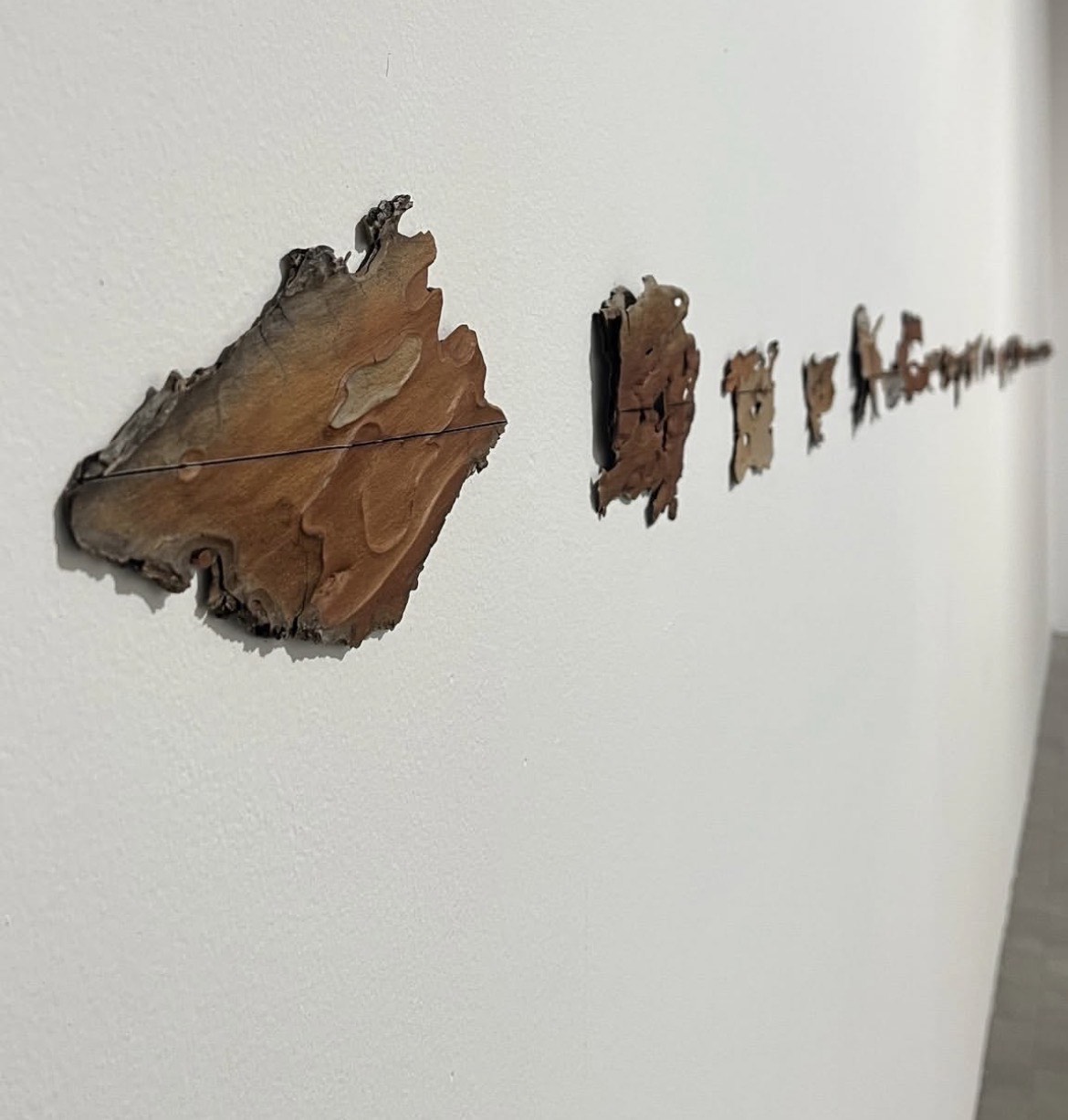
Limbe , in its digital dimension, represents an interstitial space that frames the respectful connivance between digital and analog artistic culture (Skyline, 2011), the critique of the oversaturation of simulations, and the activist mapping of new sustainable topographies, as can be seen in the work Skyline 2 (2012), which questions a landscape degraded by renewable energies. In the first Skyline (2011), the artist mixes technology and organic materials by creating pieces of wood bark on which the skyline of a city has been laser-engraved along with fragments of HTML code and the word Skyline itself. Finally, the artist challenges the dichotomies between conceptual pairs such as nature/culture, landscape/interface, and real time/virtual time, which, connecting with the thinking of Donna Haraway, can be seen exemplified in the installations Loudspeaker (2020) or Psycho- sounds (2020). Two works that highlight the sensory phenomenon and the critique of excessive technological consumerism.
You may be
interested
...