Exhibitions
Monuments without a plaza and the new narratives from the MOCA
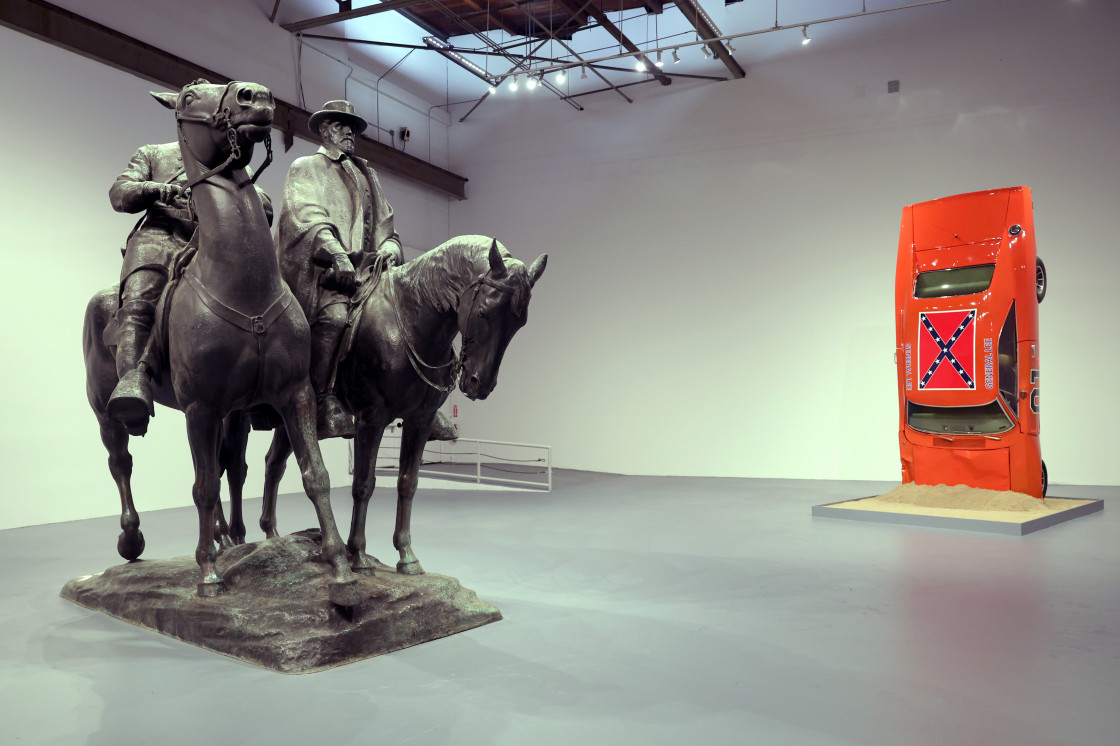
Last October, the Museum of Contemporary Art, Los Angeles (MOCA) opened Monuments , one of the most provocative and conceptually intense exhibitions in its recent programming. Organized in collaboration with The Brick, the show brings together a selection of dismantled monuments—many from the Confederate legacy of the United States—and places them in a new setting: the museum space. In doing so, it shifts a heated social debate into the realm of aesthetic experience and critical reflection.
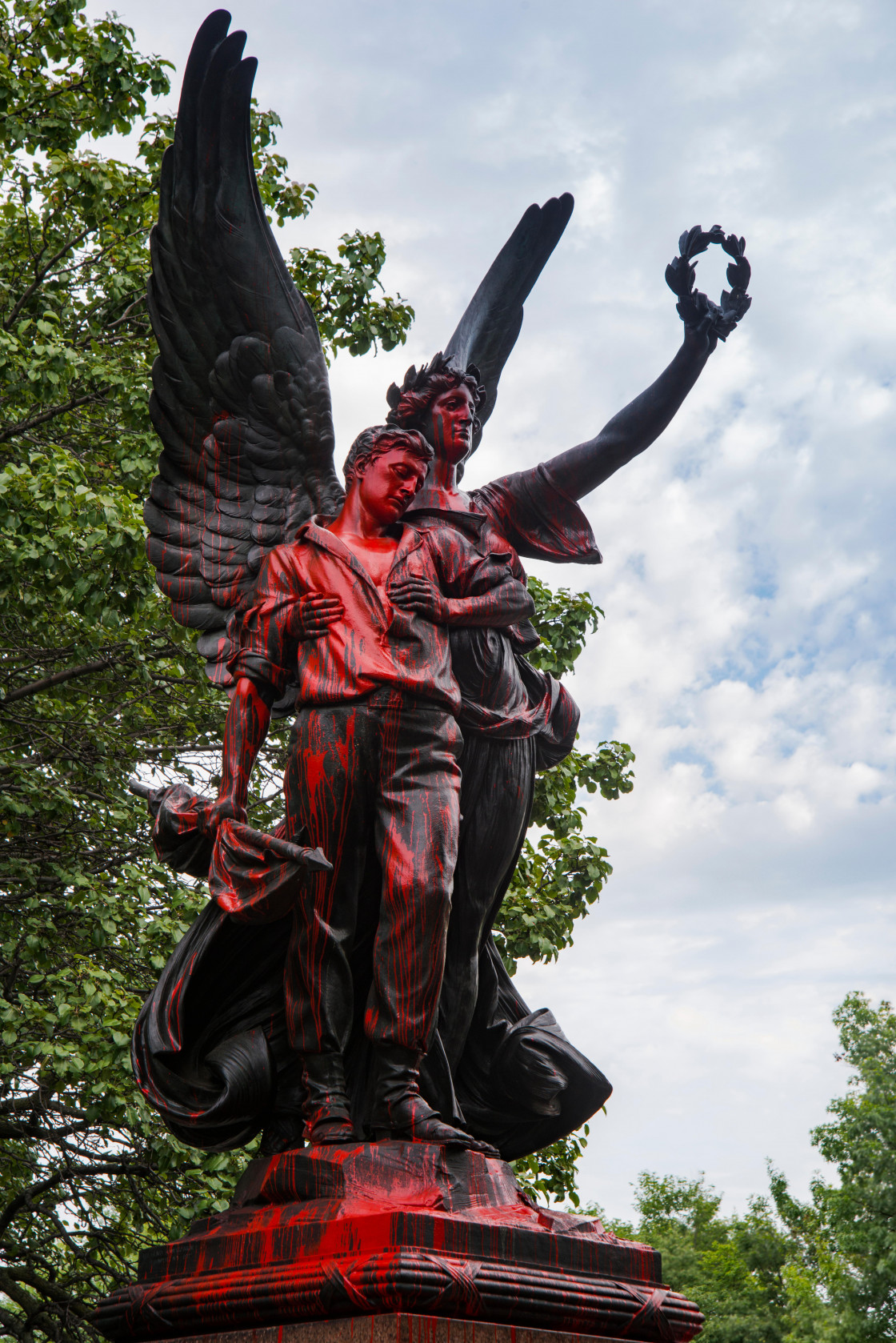
The exhibition runs from October 23, 2025, until spring 2026, spread across two venues: Geffen Contemporary at MOCA and The Brick. Geffen, a former police warehouse converted into an exhibition space, provides a striking, industrial setting that resonates with the heavy, weathered materiality of many of the pieces. Some sources indicate the exhibition will close around May 3, 2026, so it is advisable to verify dates when planning your visit.
In Monuments , visitors are confronted not only with complete statues: empty bases, fragments, erased inscriptions, and effigies vandalized or altered during their removal are also on display. The exhibition does not seek to restore the original aura of these objects, but rather to expose their fissures—physical, symbolic, and political—by bringing them into the museum. Their presence coexists with contemporary works by artists such as Kara Walker, Walter Price, Abigail DeVille, Bethany Collins, and Hank Willis Thomas, among many other voices working from the perspectives of historical critique, racial memory, and the reinterpretation of public symbols.
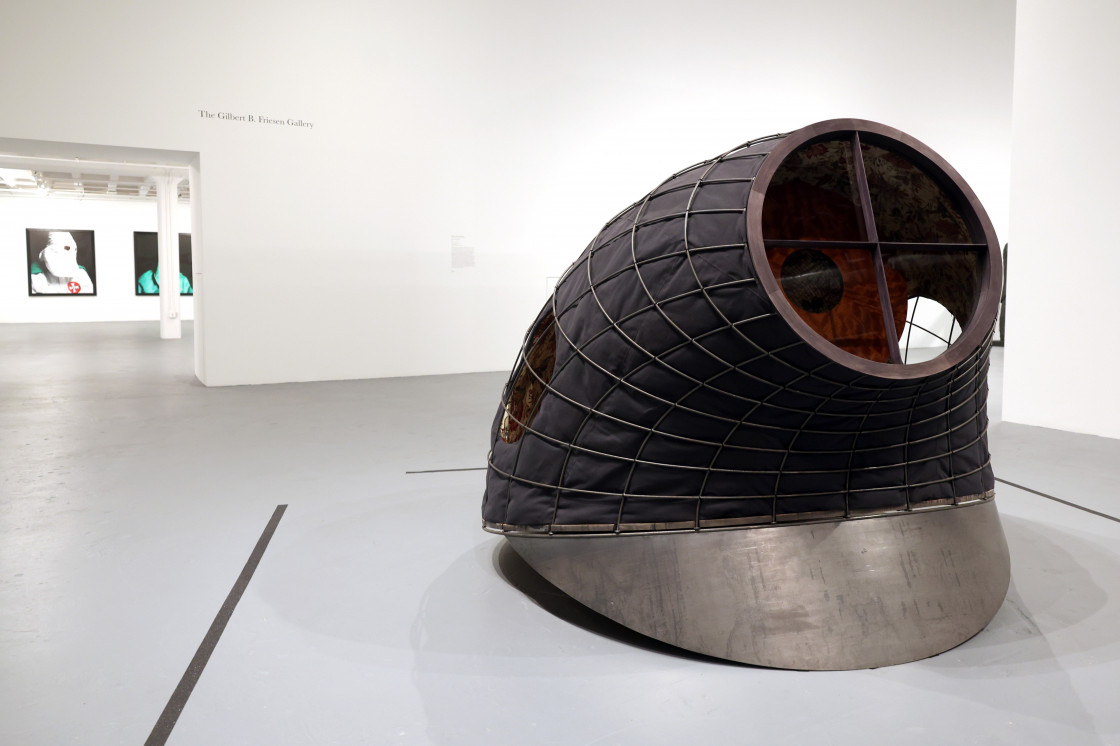
The dialogue between monuments and contemporary art creates fertile ground for reconsidering fundamental questions: What stories do we choose to remember in public spaces? Who are their protagonists? What becomes of symbols that lose social legitimacy? Monuments doesn't offer definitive answers, but rather a staging charged with tension. By removing these objects from the squares and avenues where they were challenged, it confronts them with an audience that can examine them without the immediate burden of street conflict, though not without its memory.
More than an exhibition, Monuments functions as an archaeology of the present. It reveals how monuments—far from being static or permanent—are living devices, subject to dispute, reinterpretation, and demolition. In their new life within the museum, they become uncomfortable witnesses to recent American history and, at the same time, raw material for imagining more conscious and critical futures.
The temporary exhibition brings together newly commissioned artworks alongside contemporary pieces from private and institutional collections. Artists whose works complement the exhibition include Leonardo Drew, Torkwase Dyson, Nona Faustine, Jon Henry, Hugh Mangum, Martin Puryear, Andrés Serrano, and Hank Willis Thomas.
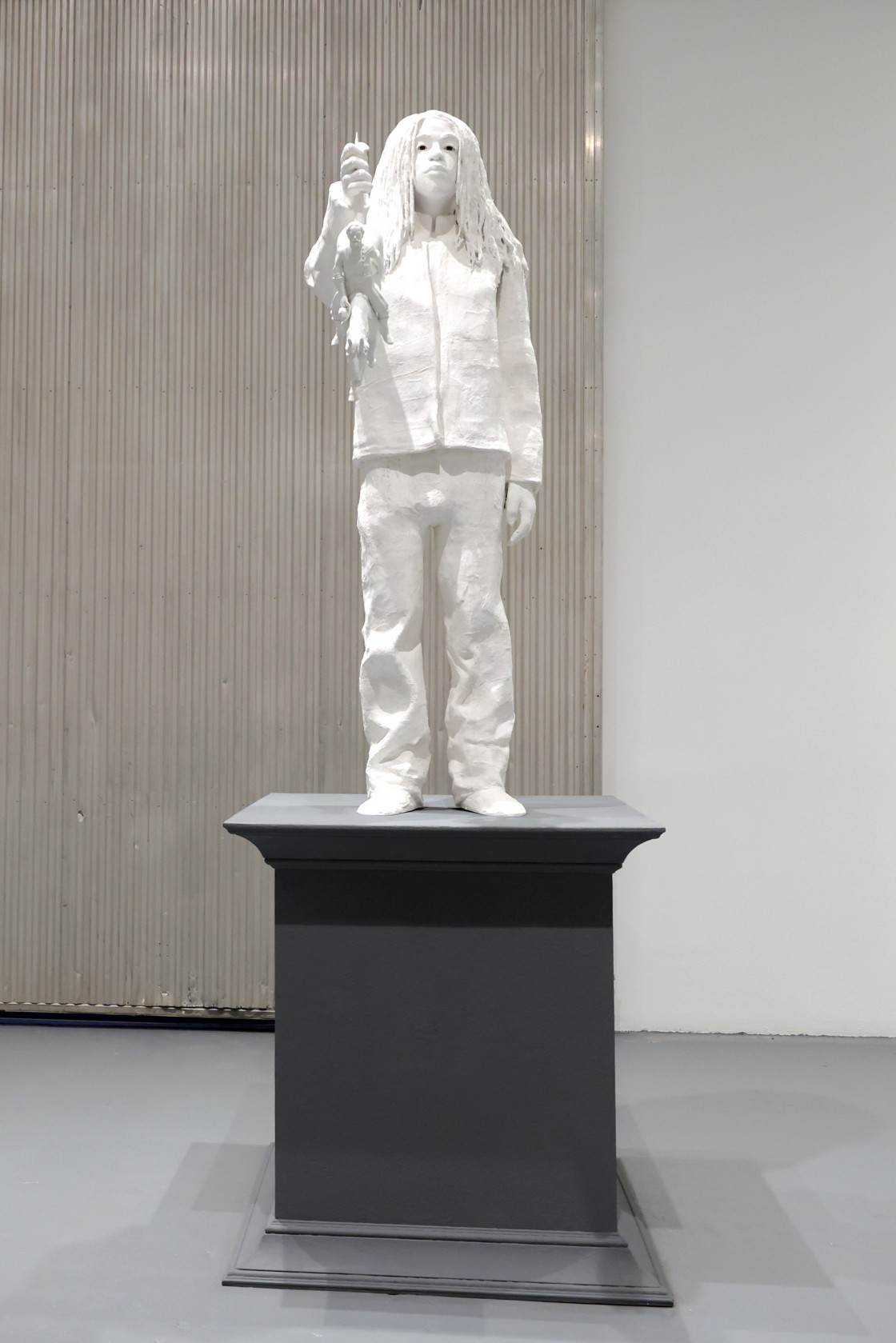
The exhibition also incorporates dismantled monuments from various cities and institutions: Baltimore (Maryland); Montgomery (Alabama); the Jefferson School African American Heritage Center in Charlottesville (Virginia); the Virginia Museum of Black History and Cultural Center in Richmond; the Valentine, also in Richmond; and the Daniels Family Charitable Foundation in Raleigh (North Carolina).
By relating these removed monuments to contemporary works, the exhibition expands the interpretive framework of both types of objects and reveals gaps, tensions, and silences present in the dominant narratives about the history of the United States.



You may be
interested
...