Exhibitions
Antonio Raphael Mengs and the forgotten painter who taught us to see perfection in the Prado
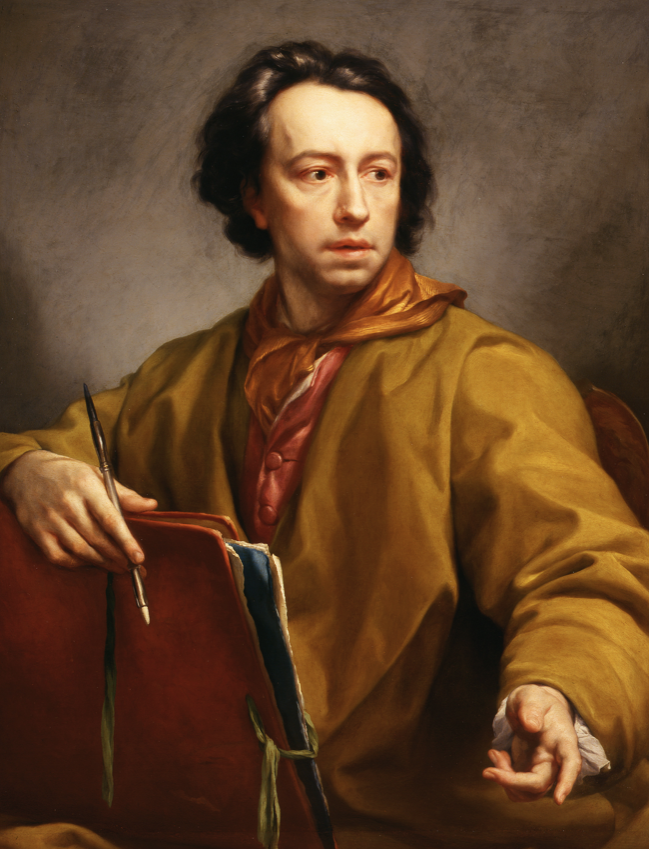
Antonio Raphael Mengs (1728–1779) was a painter who left a profound mark on his time, although over the years his talent has been unjustly relegated to oblivion. Born in Aussig, in what is now the Czech Republic, Mengs began his artistic training in Dresden with his father and later moved to Rome, where he absorbed the ideals of classical art thanks to his close relationship with the archaeologist Johann Joachim Winckelmann. His work combined Renaissance harmony and balance with the influence of masters such as Raphael, Correggio, and Titian, always striving for formal perfection and ideal beauty.
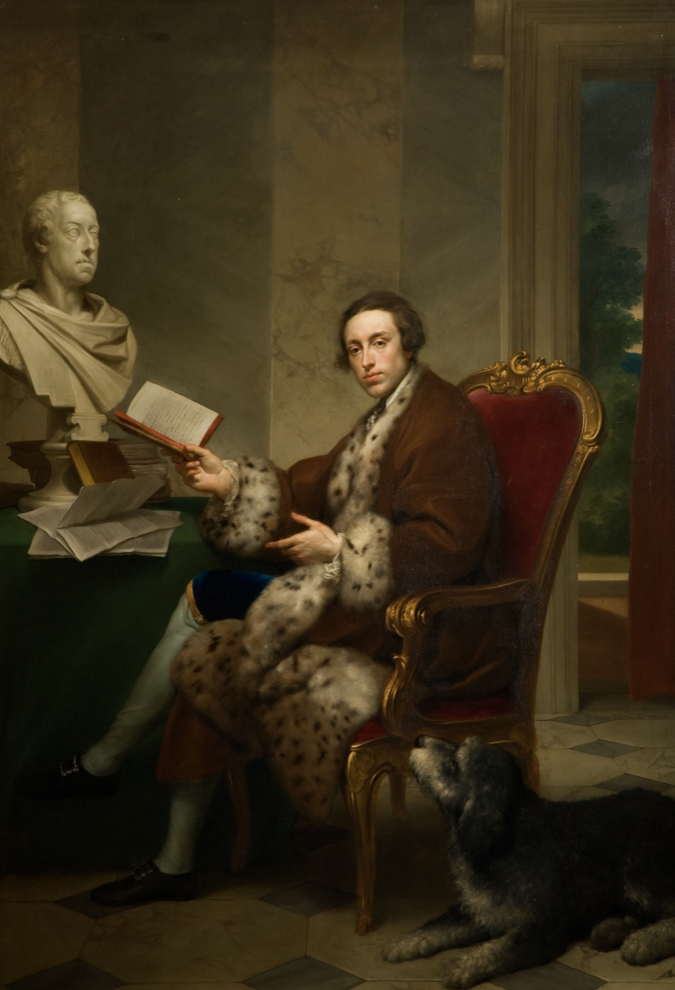
John Montagu, Lord Brudenell Antonio Raphael Mengs, 1758 Kettering (Northamptonshire), Lent by the Duke of Buccleuch & Queensberry, KT, and the Trustees of the Buccleuch Chattels Trust, BH/PTG/32.
In the mid-18th century, Mengs became court painter to Charles III of Spain, where he decorated royal palaces and created portraits that reflected not only the physical appearance of his subjects but also their personalities, with an elegant and restrained style. Considered one of the initiators of Neoclassicism, he departed from Baroque drama in favor of classical serenity and balance, notably with frescoes such as Parnassus at the Villa Albani in Rome. Furthermore, his theoretical writings on art exerted a significant influence on the aesthetic thought of his time and laid the groundwork that would later inspire artists such as Francisco de Goya.
With 159 pieces, the exhibition at the Prado Museum presents an unprecedented celebration of this court painter, bringing together paintings, drawings, sketches, and mural decorations that allow us to reconstruct the breadth of his talent and his influence on 18th-century European art. However, Mengs was not only known for his mastery: his intense, subversive, and radical character, along with his dogmatic rigidity, earned him a reputation for being controversial and led to a “conflictive relationship” with the Spanish circles of the time. Despite these tensions, his work reflects a constant search for perfection and ideal beauty, fusing Renaissance harmony with classical balance, which made him an essential figure of Neoclassicism.
The exhibition, curated by Andrés Úbeda de los Cobos and Javier Jordán, includes 64 paintings, 14 decorative arts pieces, and 81 drawings, prints, and studies on paper, from 25 international institutions, nine Spanish institutions, and ten private collections. This diversity allows for an exploration of both his role as a court painter and muralist and his intellectual and theoretical dimension, highlighting the richness and European scope of his legacy.
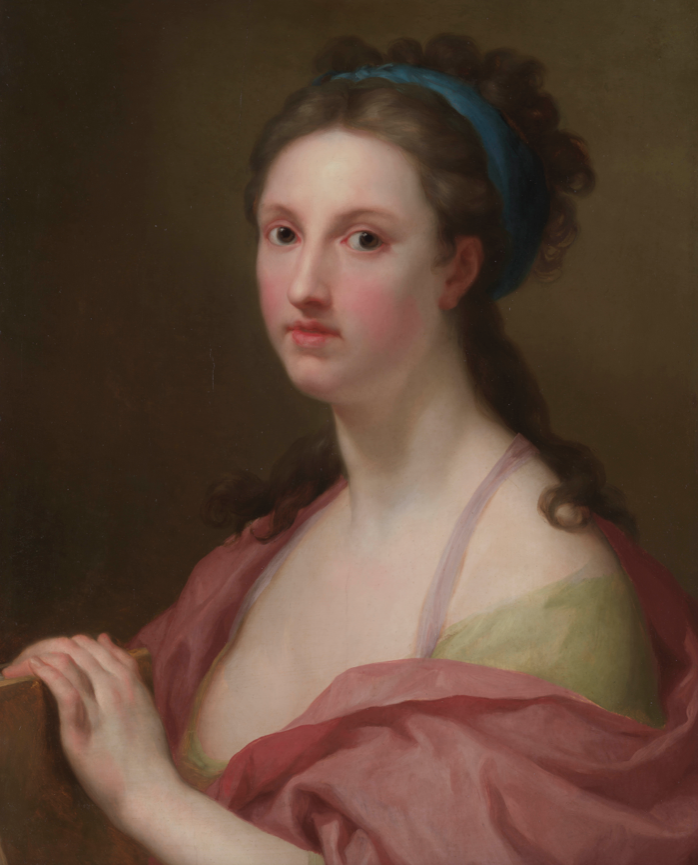
Caterina Mengs de Angelis as muse of Poetry Antonio Raphael Mengs, 1777 Private collection.
Organized into ten thematic sections, the exhibition traces the artist's development from his training in Dresden and Rome to his rise as court painter to Charles III, highlighting his connections with figures such as Raphael, Correggio, and Winckelmann, as well as his role in redefining artistic taste in Europe. Among the most outstanding works are Lamentation over the Dead Christ , from the Royal Collections Gallery; Jupiter and Ganymede , from the Palazzo Barberini in Rome; and Octavian and Cleopatra , from the National Trust Collections in the United Kingdom—pieces that significantly enrich the exhibition's narrative.
The exhibition also addresses Mengs' complex relationship with Winckelmann, particularly in the section titled "The End of His Relationship with Winckelmann ," which recounts how a friendship was marred by controversy following the forgery of the fresco "Jupiter and Ganymede ." Meanwhile, " Mengs, Painter and Philosopher " analyzes his theoretical side, which solidified his position as an intellectual figure within Enlightenment art, as well as the critical reception of his work after his death, offering a comprehensive view of his artistic and conceptual legacy. This exhibition not only reclaims Mengs' figure as a creator for whom perfection was a constant, but also invites us to rediscover the artist who taught us to see, appreciate, and understand classical beauty, cementing his return as a crucial moment in the history of European art.

You may be
interested
...