Exhibitions
Clarissa Tossin and post-apocalyptic immersion on memory, modernity and environmental collapse at the MASP
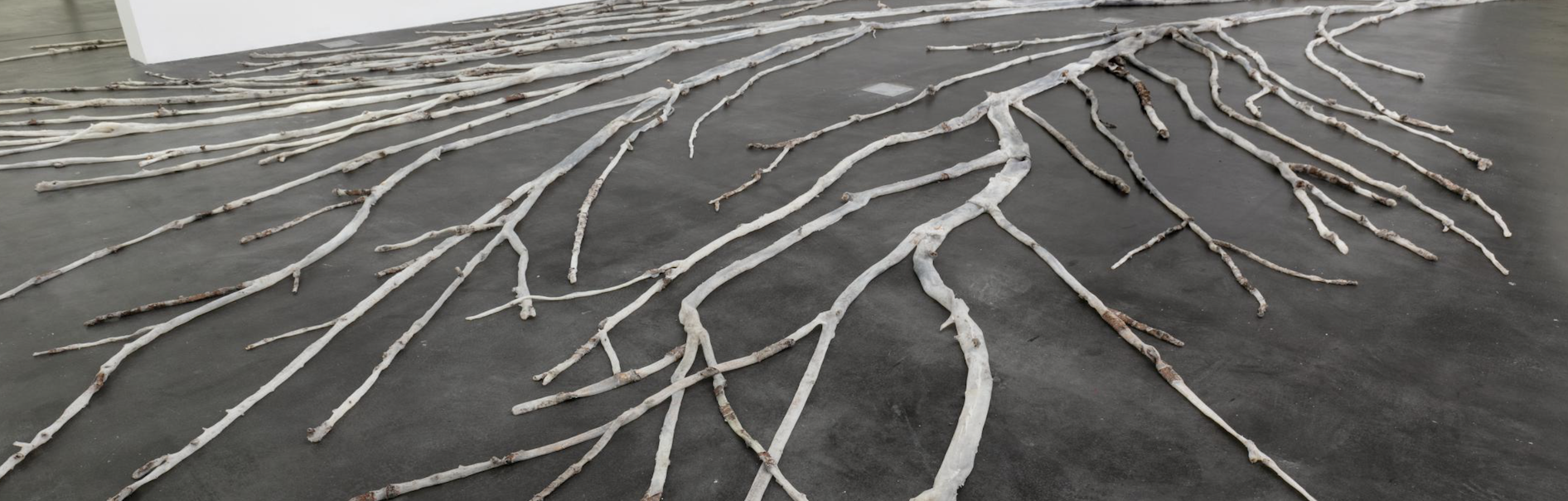
The Museu de Arte de São Paulo Assis Chateaubriand presents Clarissa Tossin: Point of No Return , a temporary exhibition that brings together more than forty works created by the Brazilian artist over the last two decades. Far from simply illustrating the climate crisis, Tossin (Porto Alegre, 1973) integrates waste, objects, and materials into her pieces, which serve as direct traces of environmental collapse. The exhibition marks the artist's first solo show in a Brazilian museum, a milestone that solidifies her presence in the contemporary art scene.

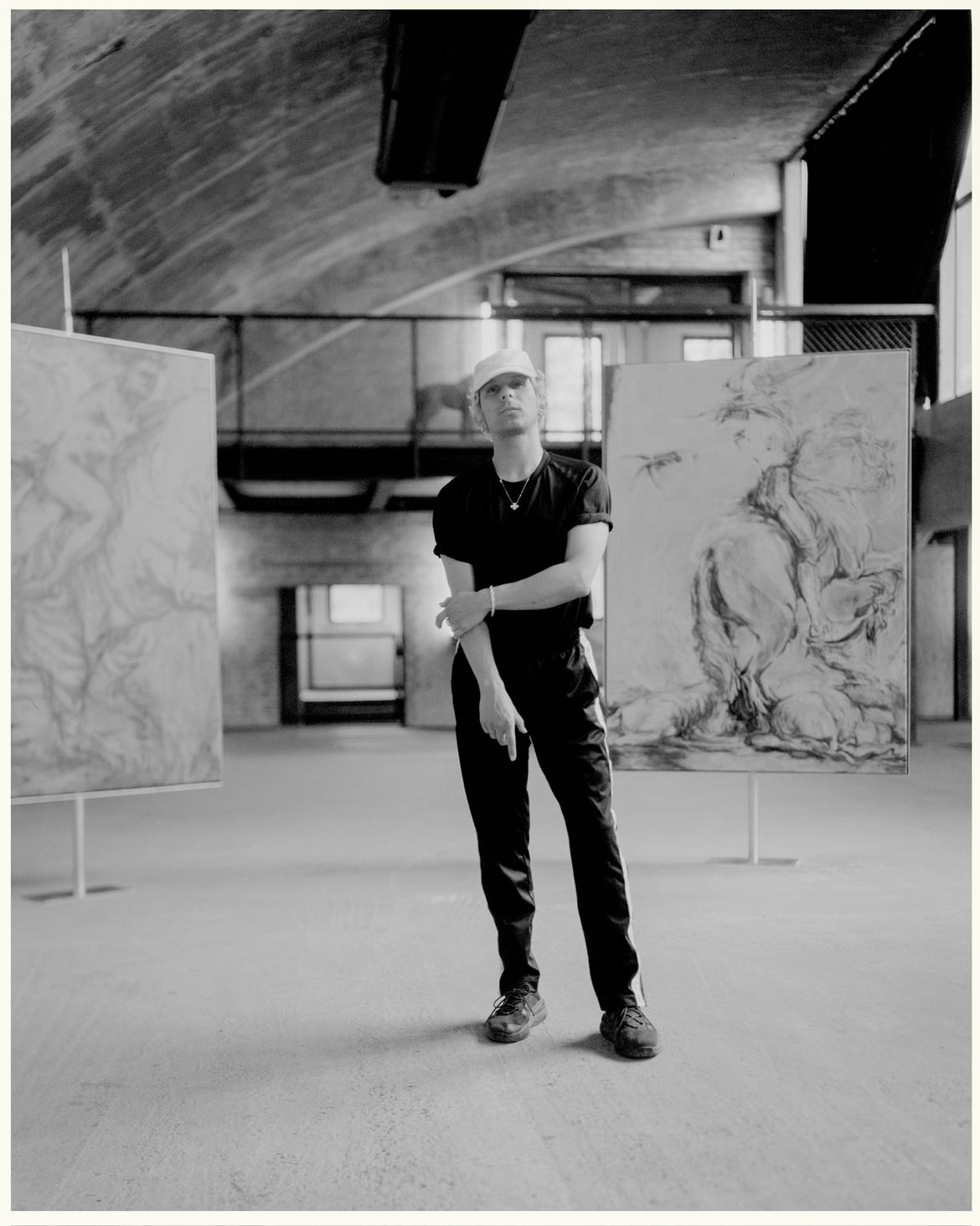
Clarissa Tossin, Ponto sem retorno, exhibition view. Courtesy of MASP.
Curated by Adriano Pedrosa, artistic director of MASP, and assistant curator Guilherme Giufrida, the exhibition is conceived as an immersive installation. “The impression is that the museum was flooded and the exhibition was assembled from what survived. It’s as if the public were walking through a museum in a post-apocalyptic setting. Clarissa is a contemporary conceptual artist, with many life-size pieces presented individually, which intensifies the immersive experience,” explains Giufrida.
Clarissa Tossin (Porto Alegre, 1973) is a Brazilian visual artist based in Los Angeles whose work explores the material traces of colonialism, globalization, and the ecological crisis. Trained at FAAP and holding an MFA from the California Institute of the Arts, Tossin develops an interdisciplinary practice that integrates installation, video, sculpture, and weaving techniques, incorporating waste and discarded objects to transform them into “fossils of the future” that reveal the tensions between production, consumption, and environmental collapse. The exhibition Point of No Return at MASP marks her first solo show in a Brazilian museum and reinforces her position as one of the most incisive voices in contemporary art.
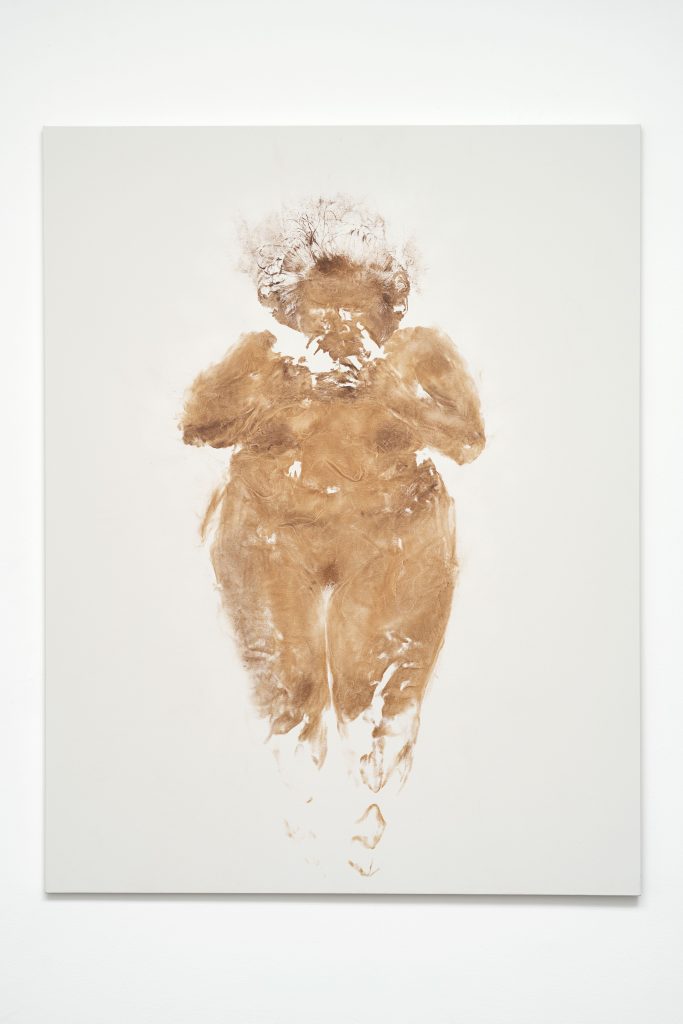
Clarisa Tossin, 'Shroud for Venus', 2025, courtesy of Luisa Strina, São Paulo/Photo: Brica Wilcox.
Trained in Brasília and with a career spanning Brazil and the United States, she understood early on that the narrative of modernity is often built upon the destruction of what came before. Viewing her work, it is difficult not to think of Brasília—that utopia projected onto a previously devastated and paved-over area—as a constant presence, even when it doesn't appear directly in her images. Her artistic development transcended the institutional framework: it was forged from a critical consciousness that emerged during her visual arts studies, a period in which she developed projects that already intertwined regional politics and territorial displacement, connecting from the outset the reality of southern Brazil with the global circuits of contemporary art.
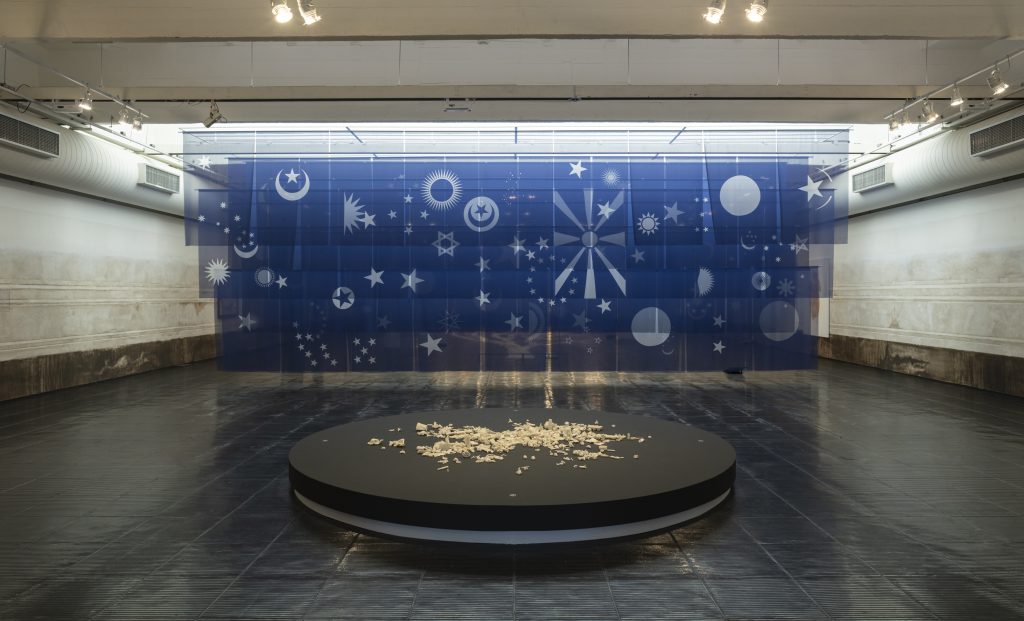
Clarissa Tossin, installation view of 'Point of No Return', 2025, at MASP.
Ponto sem retorno , on view until February 1, 2026, articulates reflections on the environmental disasters that have marked both Porto Alegre, Tossin's hometown, and Los Angeles, where he lives. Among the featured works is Dead Pool (2025), commissioned by MASP and created with pigments made from soil collected in three flood-affected areas of Rio Grande do Sul: Cidade Baixa, Sarandí, and Eldorado do Sul. Conceived to be displayed directly on the gallery walls, the piece reproduces the mud lines left imprinted on buildings after the waters receded. In addition to evoking the devastating floods that struck the state in May 2024, coinciding with the start of the research for the exhibition, the work also alludes to the marks left by the Mariana (2015) and Brumadinho (2019) disasters.
You may be
interested
...