
Opinion
After the Event
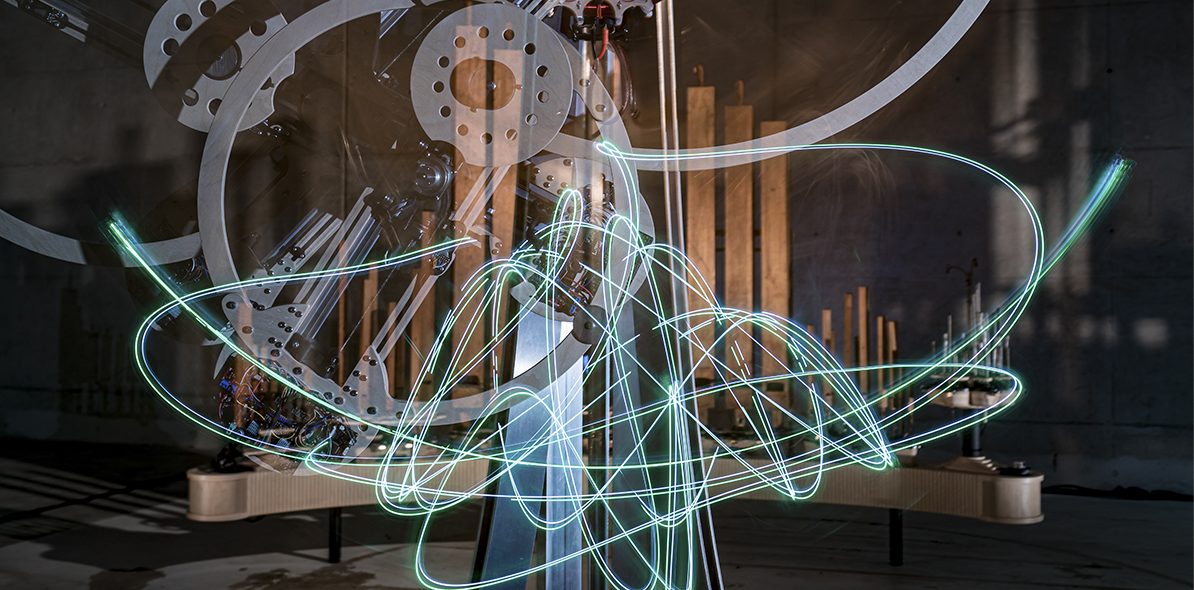
When we think about what a festival is, we still tend to imagine a stage, a lineup full of names, and a concentration of audience over a few days. It is an understandable image, indeed: for a long time this has been the dominant definition of the format. For years there has been talk of the festivalization of culture, almost always in the same terms: the proliferation of festivals, the saturation of the offer, the difficulty to differentiate, or the sustainability of a model, in the case of music festivals, articulated around a logic of economic profitability and continuous growth. But this conversation takes one thing for granted: that we all understand what a festival is. Perhaps this is precisely what has changed.
Because there is another way of understanding festivals. They do not resemble each other nor work from the same languages, but they share the same intuition about what it means to produce culture. We find initiatives that propose routes, sound actions, and interventions in the landscape; others, installations and performances; others, community practices or artistic research that would hardly find space within the usual logics of the cultural market. Or all of it together in the same cultural proposal.
Their function is different: to accompany practices that need time to unfold. And, in many cases, the place stops being the stage of the work to become one of its raw materials. For decades, many of the functions that these festivals also assume today have mainly fallen to museums, art centers, and other cultural facilities: producing work, supporting artists, generating context, activating debate, or establishing a continuous relationship with the audiences and with the place. Producing culture does not only consist of programming activities. It consists of sustaining what is not resolved in a program.
The festival ceases to be only a programming format. Without replacing cultural facilities, it has expanded their forms of action. Instead of a building, it operates from a temporary device that concentrates processes of creation, production, exhibition, and thought. A facility without a building. Its architecture is not concrete, but relationships. And it is only ephemeral in its public manifestation.
If museums accumulate collections and art centers accumulate processes, festivals accumulate relationships. Perhaps this is their main heritage, but also their way of existing long before and long after the days they occupy in the calendar. When in a few years we want to understand what a festival left behind, we will probably not only have to look at the photographs, catalogs, websites, posters, or programs. We will have to look at the ties that it made possible. Perhaps some of the most interesting cultural proposals of the 21st century have no facade, no permanent collection, no annual program. Perhaps they only last four days.

You may be
interested
...