
Exhibitions
DART 2026 explores the tensions between art, power, memory, and creative freedom
The documentary art film festival expands its perspectives towards contested heritage, cultural resistance, architecture, and personal stories, with a program that will also reach CaixaForum+ during the month of December.
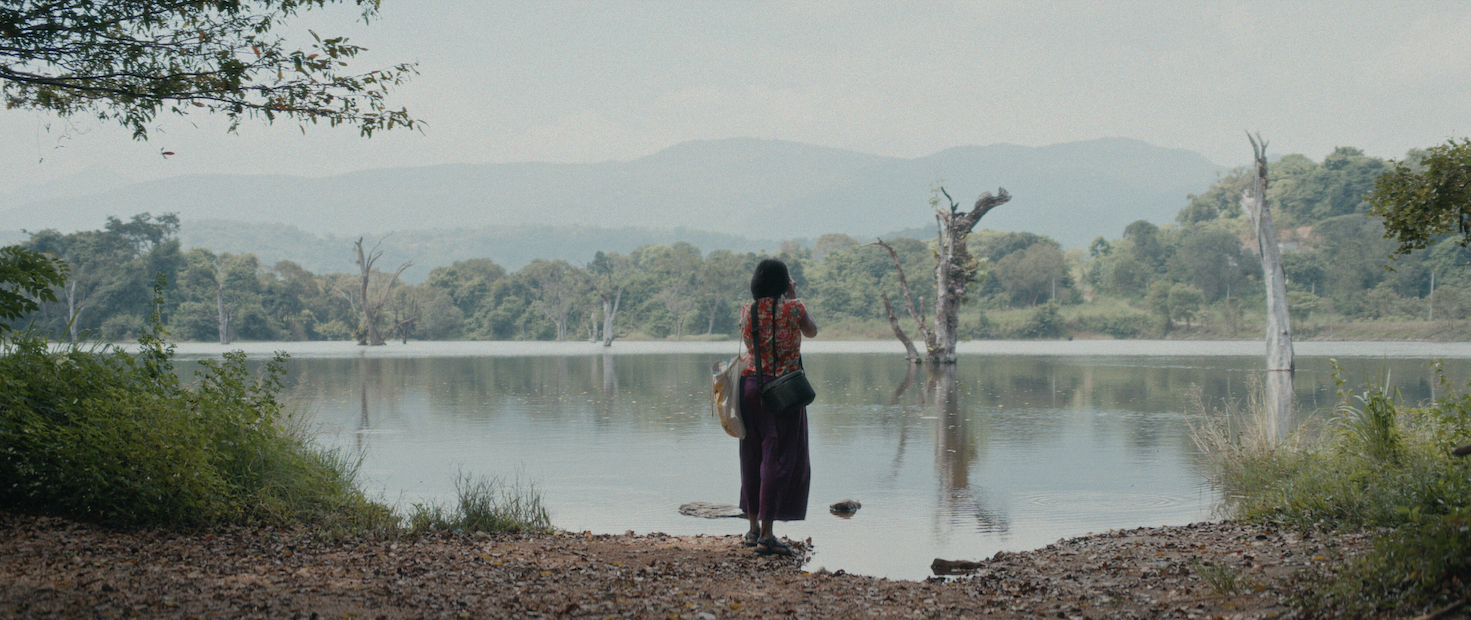
Documentary cinema becomes at DART 2026 a space from which to question the relationships between art, politics, memory, and freedom, addressing issues that traverse both cultural heritage and forms of resistance and personal trajectories. This edition's programming focuses on stories that reveal the tensions between power and creativity, the preservation of culture in war contexts, mechanisms of censorship, and claims that have been left out of official narratives.
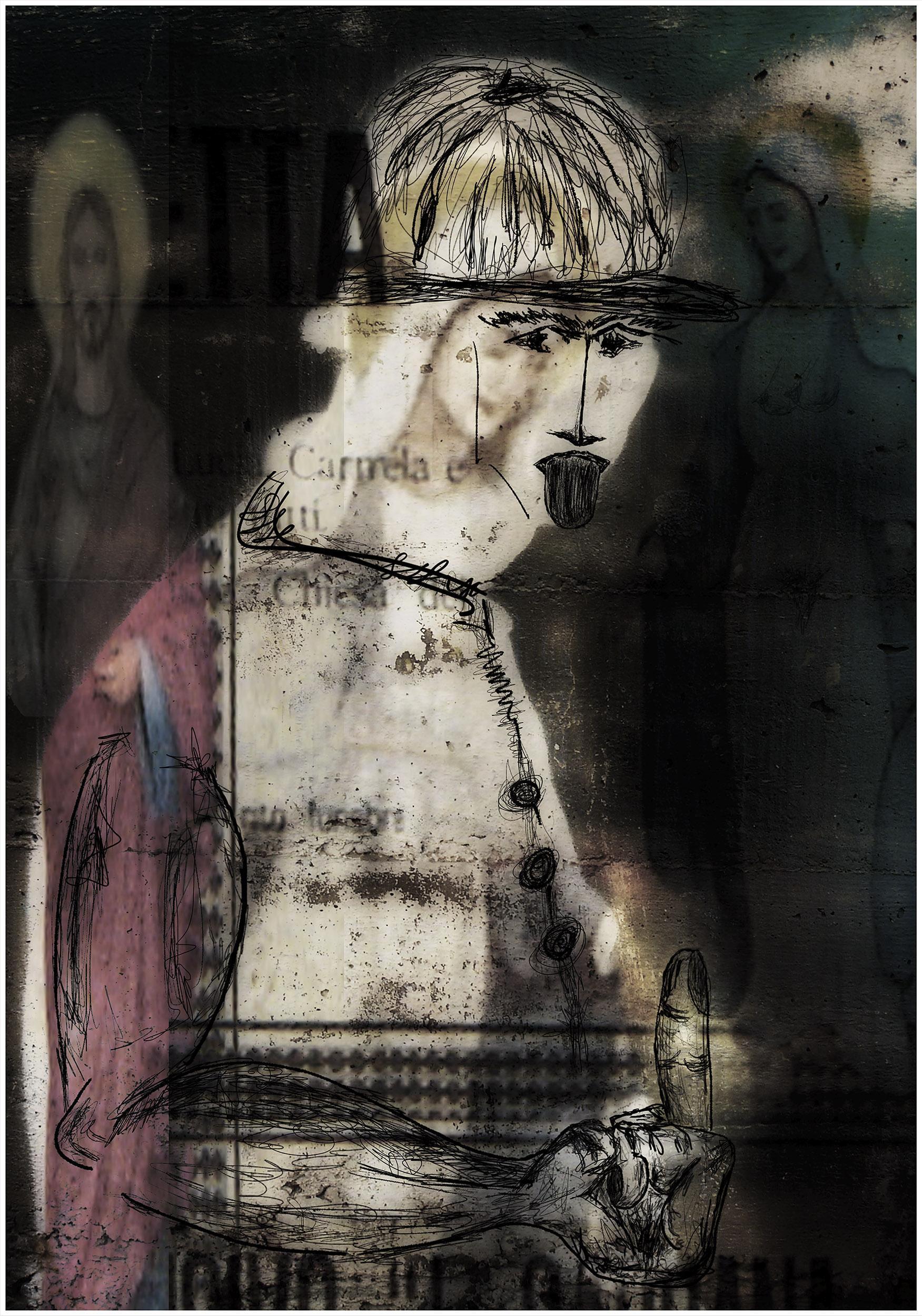
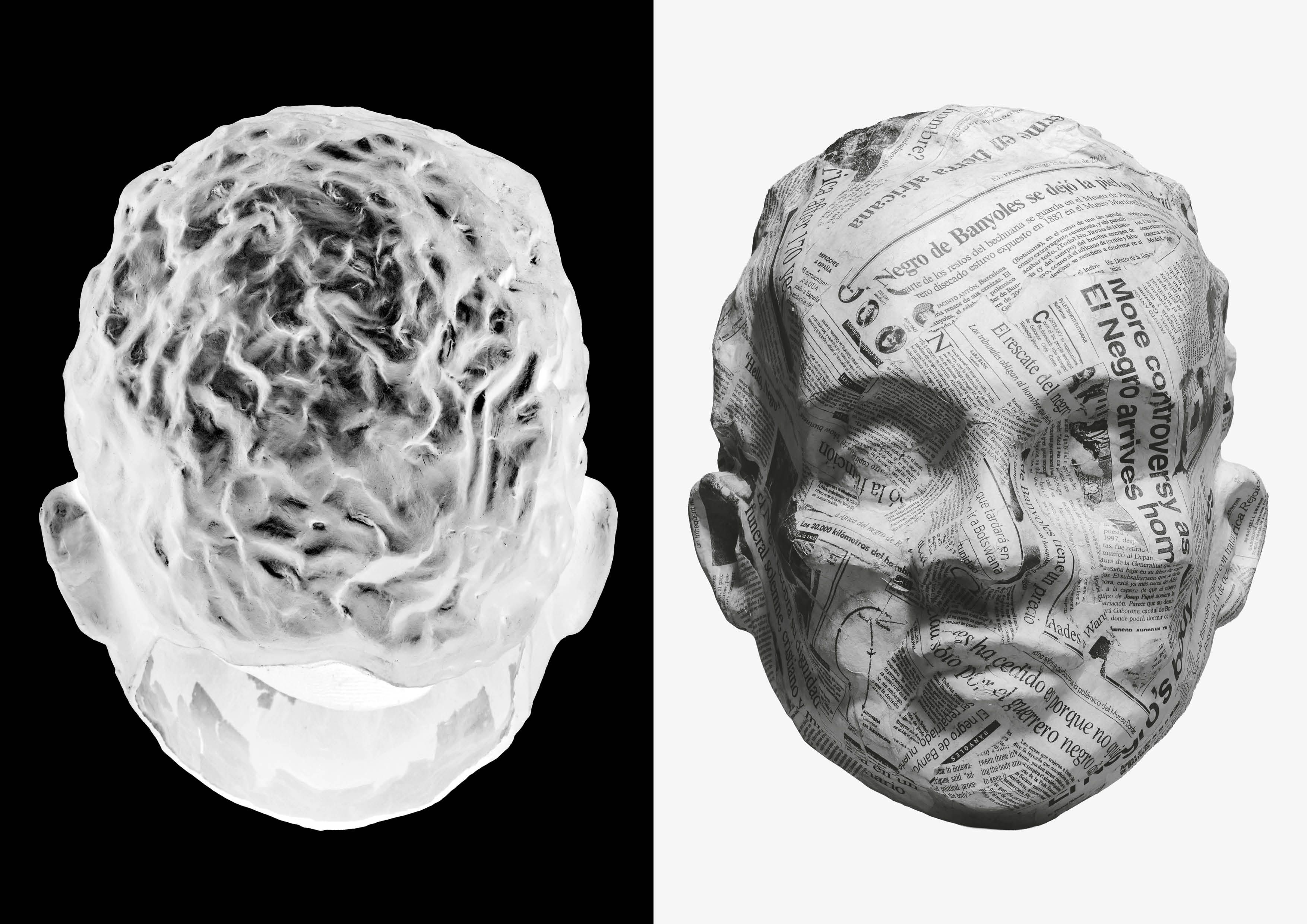
The restitution of cultural heritage and human remains held in European museum institutions is the focus of Elephants & Squirrels, by Sri Lankan artist Deneth Piumakshi, which documents repatriation processes and raises a reflection on the responsibilities of museums regarding collections from other territories. The protection of artworks in war contexts is also the main thread of War on Art, by Andrzej Miękus, which tells the story of a network of volunteers who risked their lives to save works preserved in Ukrainian museums after the Russian invasion.
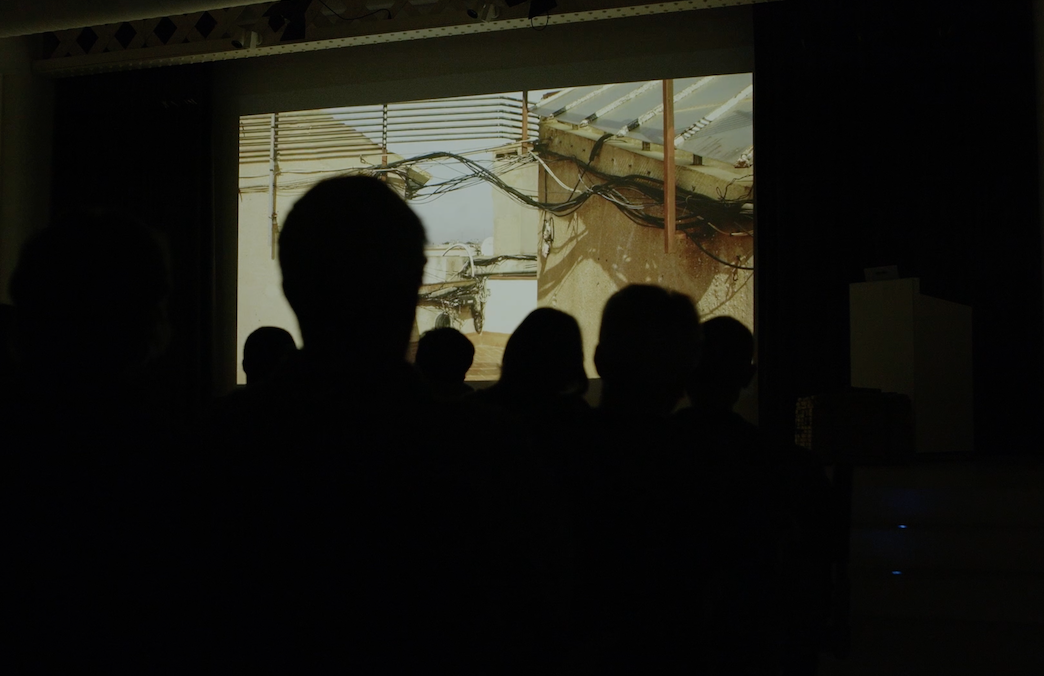
Cultural freedom also takes shape in the personal memory of Gilda Pourjabar. In Westoxicateds, the Iranian director revisits Tehran in the 1990s, when clandestinely introduced rock tapes and illegal satellite dishes became instruments of resistance against repression and pathways to access other imaginations, cultures, and ways of life.
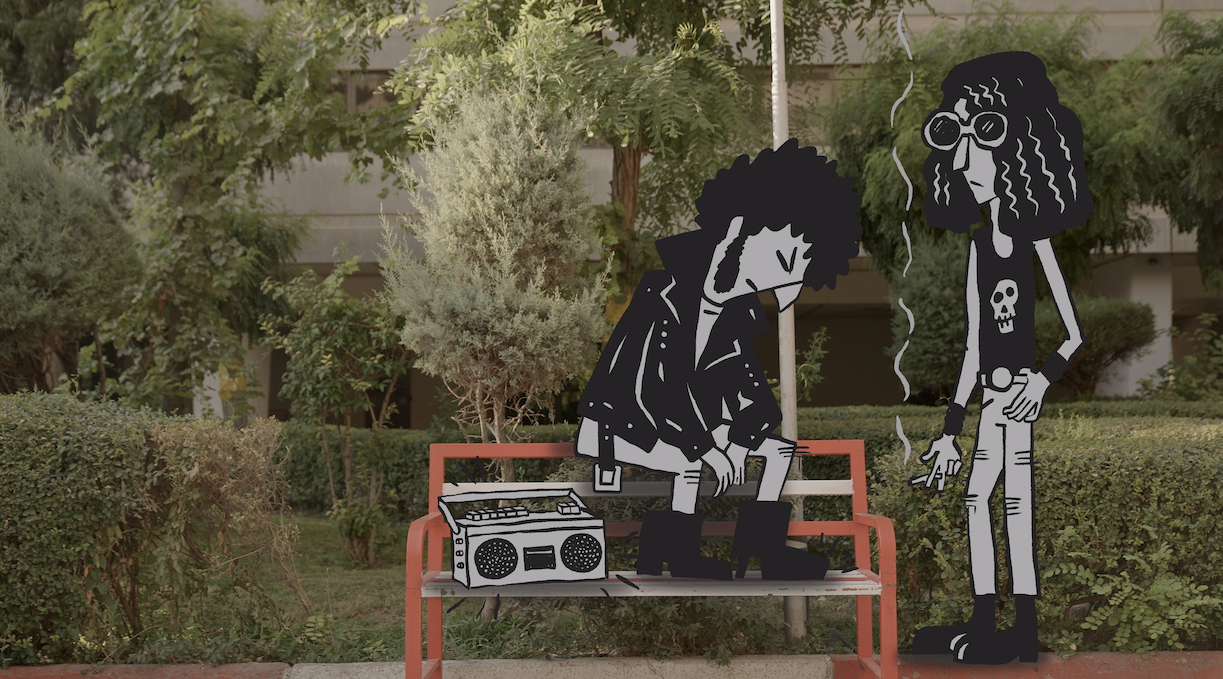
Westoxicateds.
Among the highlighted premieres, DART will host the world presentation of El pintor y el escorpión, by Sadrak Zmork, which follows Jesús Galiana in the process of personal and artistic reconstruction after being diagnosed with Parkinson’s at 39 years old. The documentary delves into the relationship between illness, identity, and creation, showing how abstract painting becomes a tool to face a new reality and find other forms of expression.
The world of art is also approached from its economic structures and the disputes that can surround the international market. The Oligarch and the Art Dealer, by Andreas Dalsgaard, adopts the language of a thriller to reconstruct the multimillion-dollar legal battle between Russian magnate Dmitry Rybolovlev and Swiss gallery owner Yves Bouvier, linked to the buying and selling of works by masters such as Leonardo da Vinci, Mark Rothko, and René Magritte.
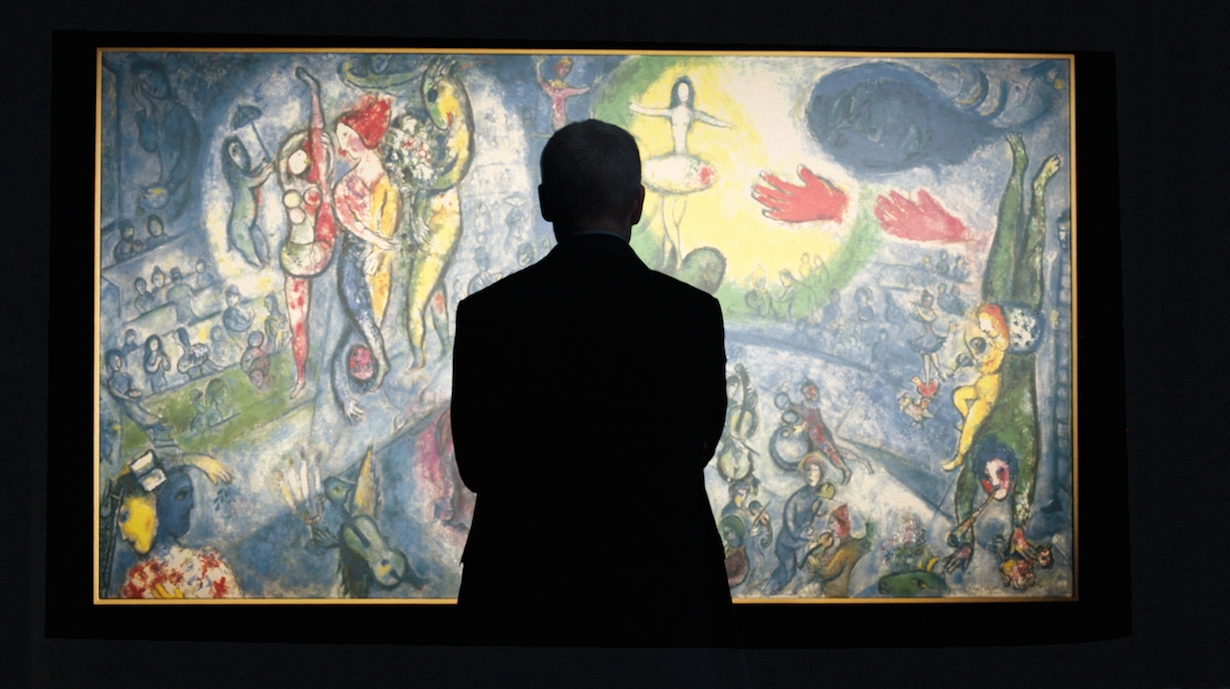
Andreas Dalsgaard.
Architecture and design complete this cross-sectional perspective. bauhaus forever., by Nico Weber, reviews the relevance of the German school a century after its foundation, while Facundo Martínez: From Mislata To Kioto, by Mar Navarro Herraiz, reivindicates the figure of a visionary Valencian builder. The revision of architectural historiographical narratives also has a place in Out of the Picture, which denounces the invisibilization of women architects and recovers, through testimonies from figures like Denise Scott Brown, a genealogy that has often been sidelined.
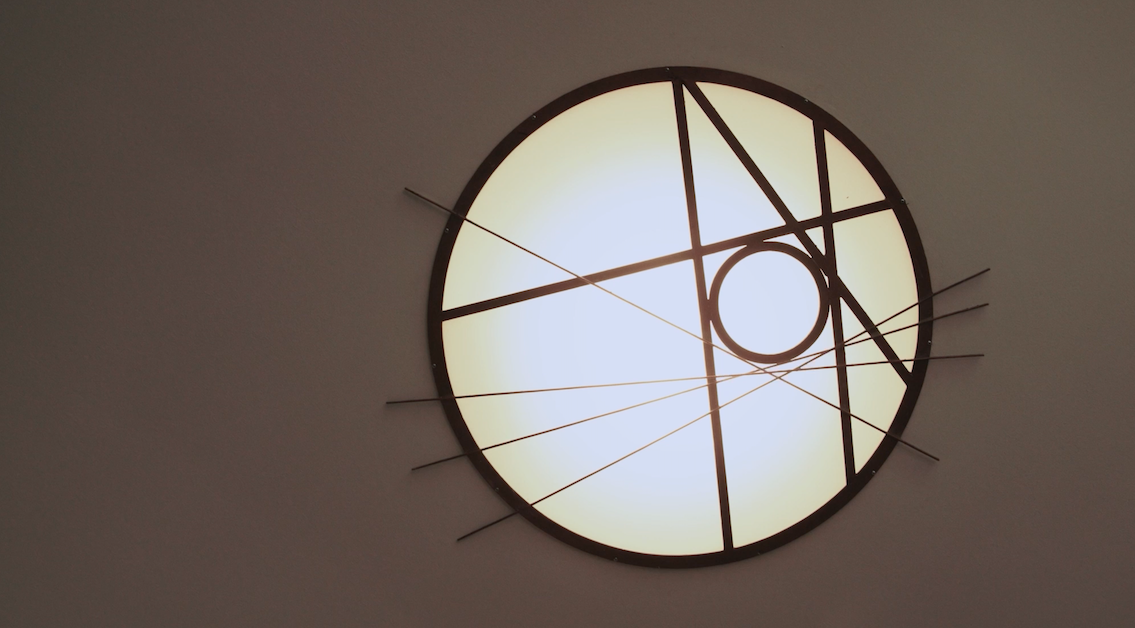
Facundo Martínez.
Alongside the film programming, DART Lab will celebrate its second edition as a space for reflection and professional meetings. Among the proposals is the presentation of Synthetic Memories, a project by Domestic Data Streamers recently acquired by MoMA in New York, as well as a roundtable dedicated to the value of aesthetic judgment amid contemporary visual oversaturation. The program will also include a meeting on Spanish animation with the participation of the Annecy International Animation Film Festival.
The festival will also expand its experience through the CaixaForum+ platform, where between December 1 and 31 a selection of the programming can be viewed. This digital space will also incorporate two exclusive premieres: Rebecca Horn – The Secret Life Of Things and Viva Varda!, dedicated to the French filmmaker Agnès Varda.

You may be
interested
...