Exhibitions
Bòlit: Inherited issues on hold
El Bòlit de Girona launches 'Legacies in Potential', a cycle of four projects that review heritage, memory, and silenced legacies to question the tensions that continue to cross the present.
There is a joke that circulated under Stalinism which goes, "the future is written; only the past is unpredictable." The paradox remains extraordinarily accurate. If for much of the 20th century art obsessively looked to the future, today it seems to have discovered that it is the past where the great battles of the present are still being fought. Not because we seek nostalgia there, but because we find conflicts that have never been resolved.
It is from this uncomfortable place that Legacies in Potential, the new cycle of Bòlit, Contemporary Art Center of Girona, proposes a radical reading of heritage. Here legacies are not immobile monuments nor inheritances to be preserved intact. They are living materials, open tensions, power relations that continue shaping the way we inhabit the territory, memory, and bodies.
Heritage thus ceases to be an inventory of valuable pieces and becomes a question. What do we really inherit? Which stories have been legitimized and which have been buried? Which knowledges disappear when economies change? Which bodies still demand reparation? And above all: what can an inheritance do when it stops functioning as a burden and becomes a possibility?
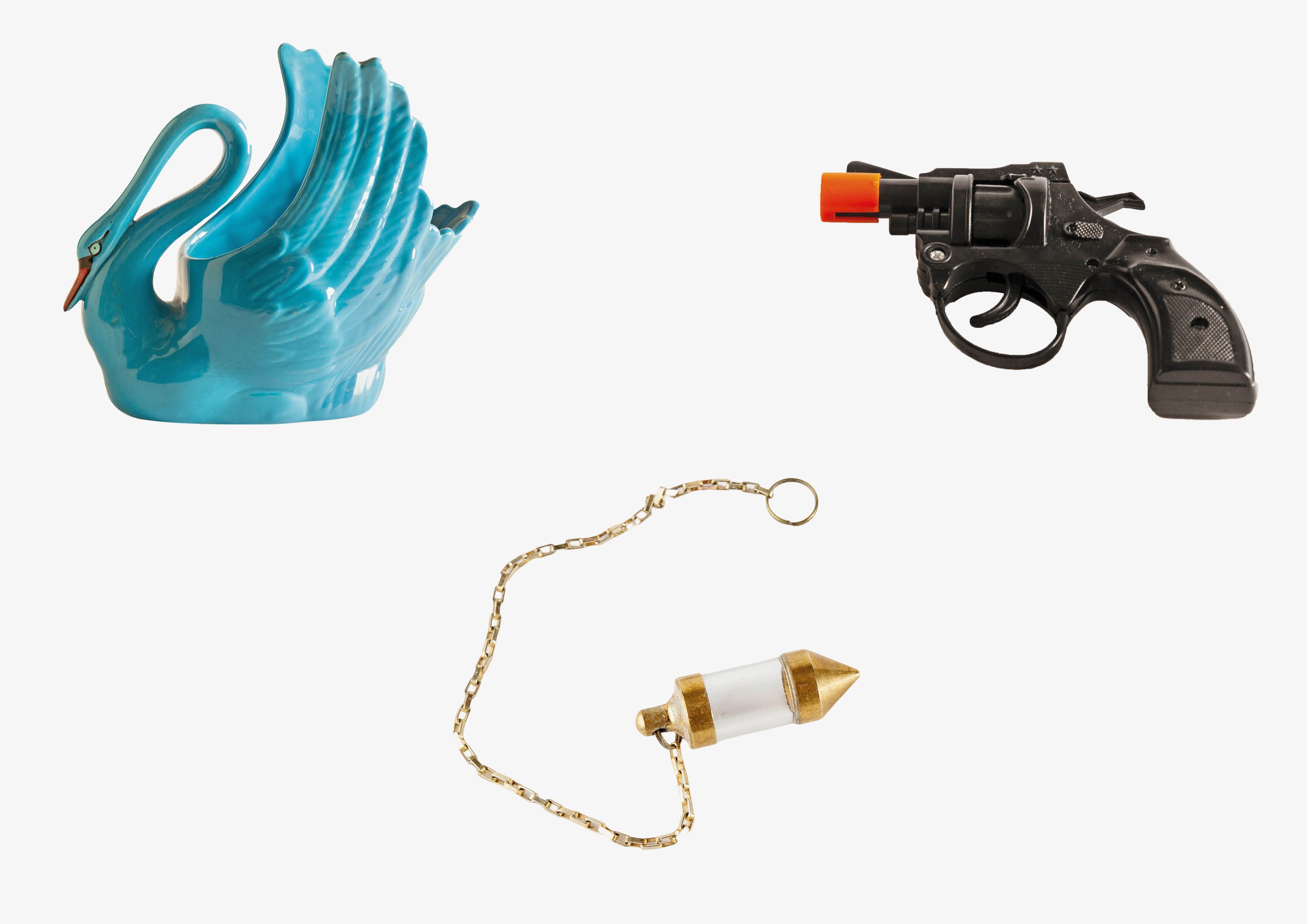
Anyway, things by Irene Visa.
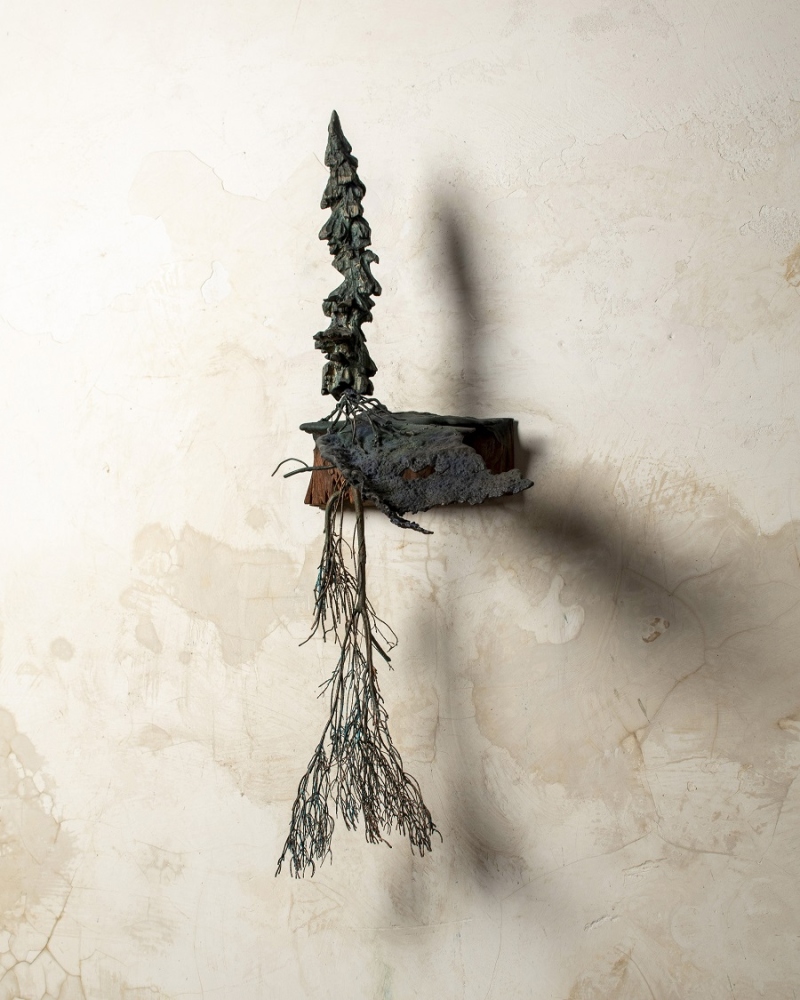
The first season of the cycle unfolds four projects that, from very different languages, share this will to unearth what still acts beneath the surface. At the Canònica de Santa Maria de Vilabertran, Paula García-Masedo transforms the old esparto craftsmanship into a choreography of gestures, fibers, and memory. The cords emerging from her work not only connect materials: they link bodies, economies, and landscapes. Each twist preserves the trace of an almost extinct craft and at the same time sketches new ways of thinking about the interdependence between people and the material world.
At Bòlit La Rambla, Irena Visa observes the Empúries site from what has not yet been excavated. The void ceases to be absence to become a promise and a generational metaphor. Between archaeology and autofiction, the artist constructs a narrative about the deferred yearnings of a generation that grew up under the promise of an expansive future and has found itself inhabiting a succession of crises. The terrain pending excavation ends up unsettlingly resembling all those lives that have been left in suspension.
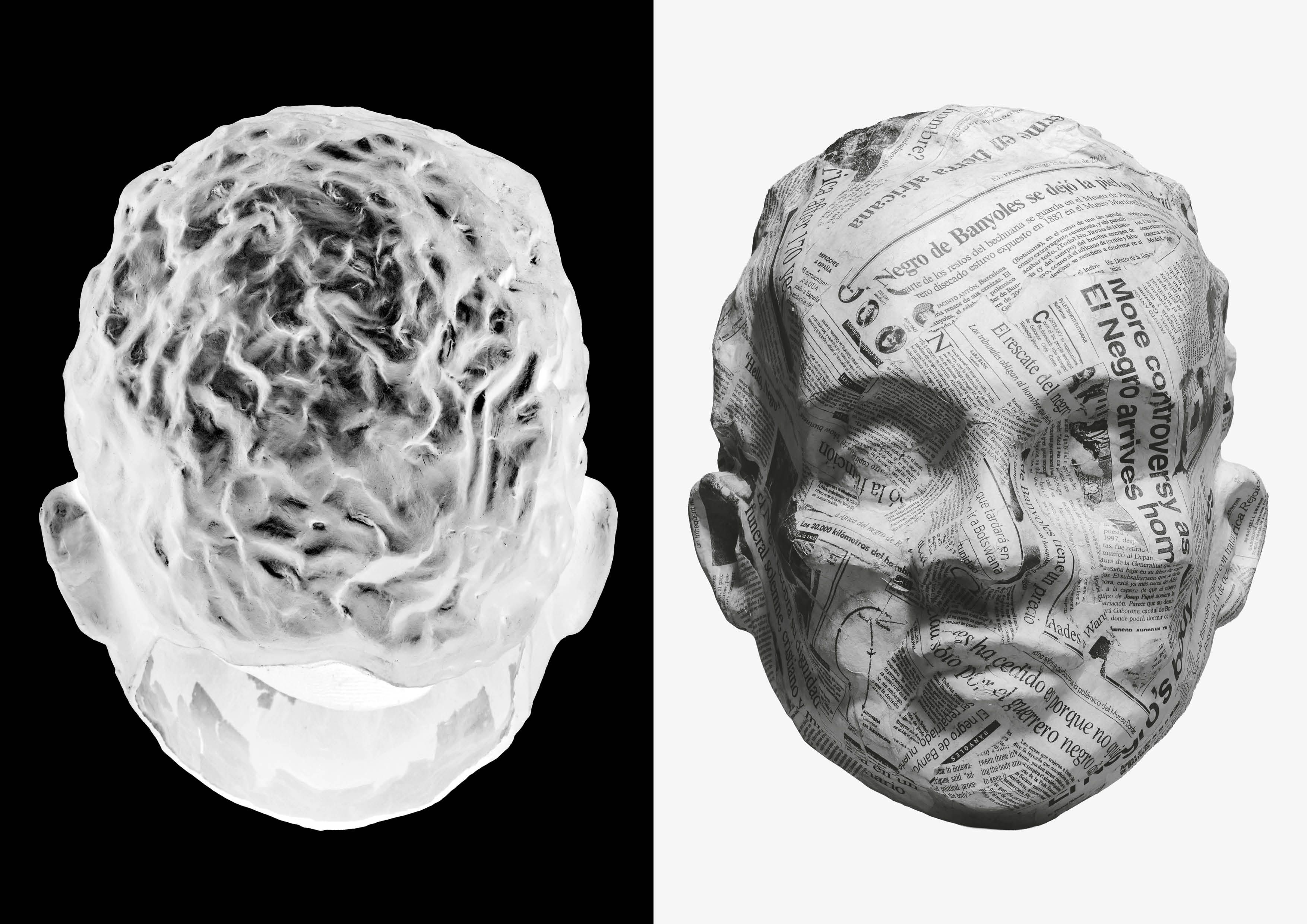
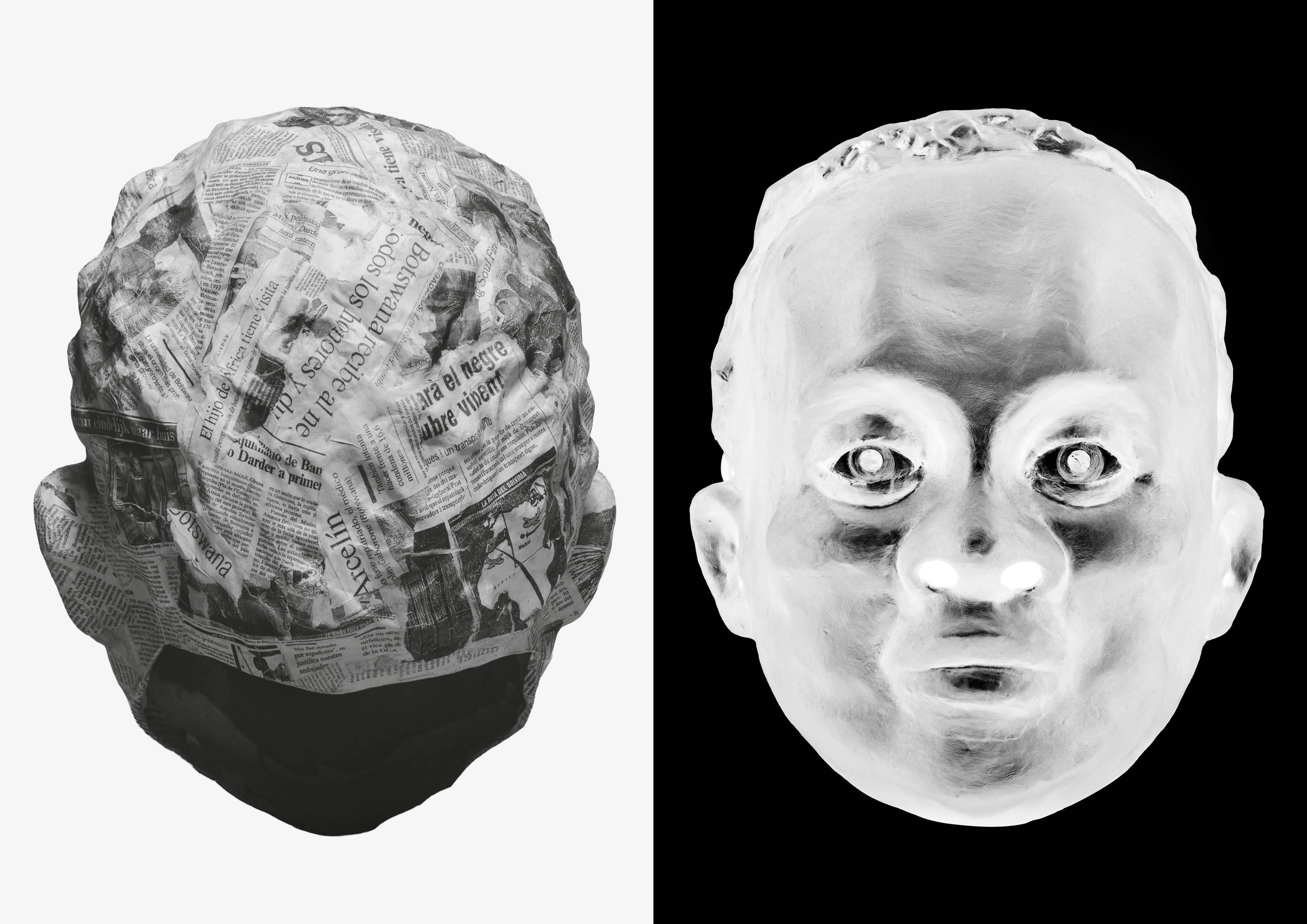
Memory is also the field of work for They Say I Am. Anatomy of a Fable, by Miguel Ángel Rosales, with the participation of Yinka Esi Graves and David García López de la Osa. Based on the story of the man known as the Black of Banyoles, the project avoids any simplification to deploy a constellation of documents, voices, and images that question the mechanisms by which a society manufactures its narratives. Reparation does not appear as a gesture that closes the past, but as a critical practice that continues to challenge the present.
This exercise of displacement also crosses Sara Ouhaddou's proposal. Her perspective recovers the legacy of al-Andalus in Girona, a persistent historical presence but systematically relegated to the margins of the official narrative. By placing the scarce Islamic remains in dialogue with other heritage elements that the city has indeed incorporated into its imagery, the artist reveals that every identity is a construction made both of presences and absences.
Perhaps this is the most powerful intuition of Legacies in Potential: understanding that inheritances do not belong exclusively to the past, but operate on us and determine what we can imagine, remember, or even forget. Contemporary art does not arrive here to restore a lost memory, but to alter its order, introduce cracks into it, and open spaces for other possible genealogies to emerge. A legacy is this: a form of slow pressure on the present, a material that has not yet fully decided what it wants to be. And in this indecision — fragile, uncomfortable, fertile — lies our way of inhabiting time. There are no closed inheritances, but processes that continue breathing through us.
You may be
interested
...