
Exhibitions
'Material Shifts' redefine the boundaries of contemporary sculpture in Oslo
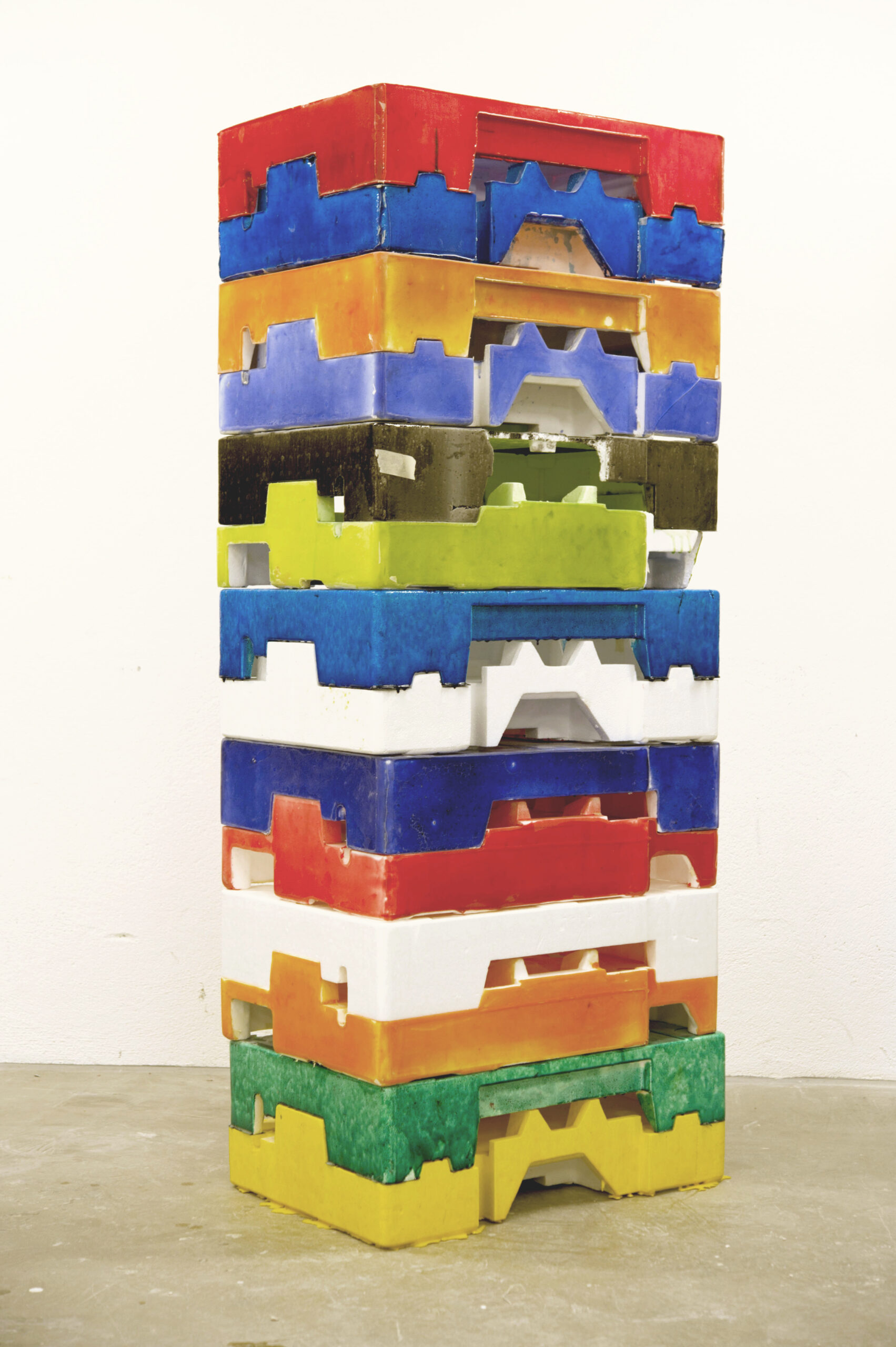
Sculpture can no longer be understood solely as a defined object, made from a solid material and conceived to remain immutable in space and time. Its history is marked by processes of transformation, displacements, and translations that alter both its appearance and its meaning. This idea forms the starting point of Material Shifts, an exhibition bringing together fifteen artists at the Astrup Fearnley Museet in Oslo, from November 13, 2026, to February 28, 2027, to explore the intermediate states of sculptural creation and the possibilities that arise when a form moves from one medium to another.
The exhibition features works by Olga Balema, Katinka Bock, Ludovica Carbotta, Rhea Dillon, Miho Dohi, Vincent Fecteau, Ane Mette Hol, Brad Kronz, Jean-Luc Moulène, Germain Ngoma, Kaare Ruud, Stein Rønning, Diane Simpson, Dima Srouji, and Mungo Thomson. Through very diverse practices, their works demonstrate that sculpture is not necessarily a closed result, but an open process involving operations of translation, reinterpretation, and material and conceptual transformation.
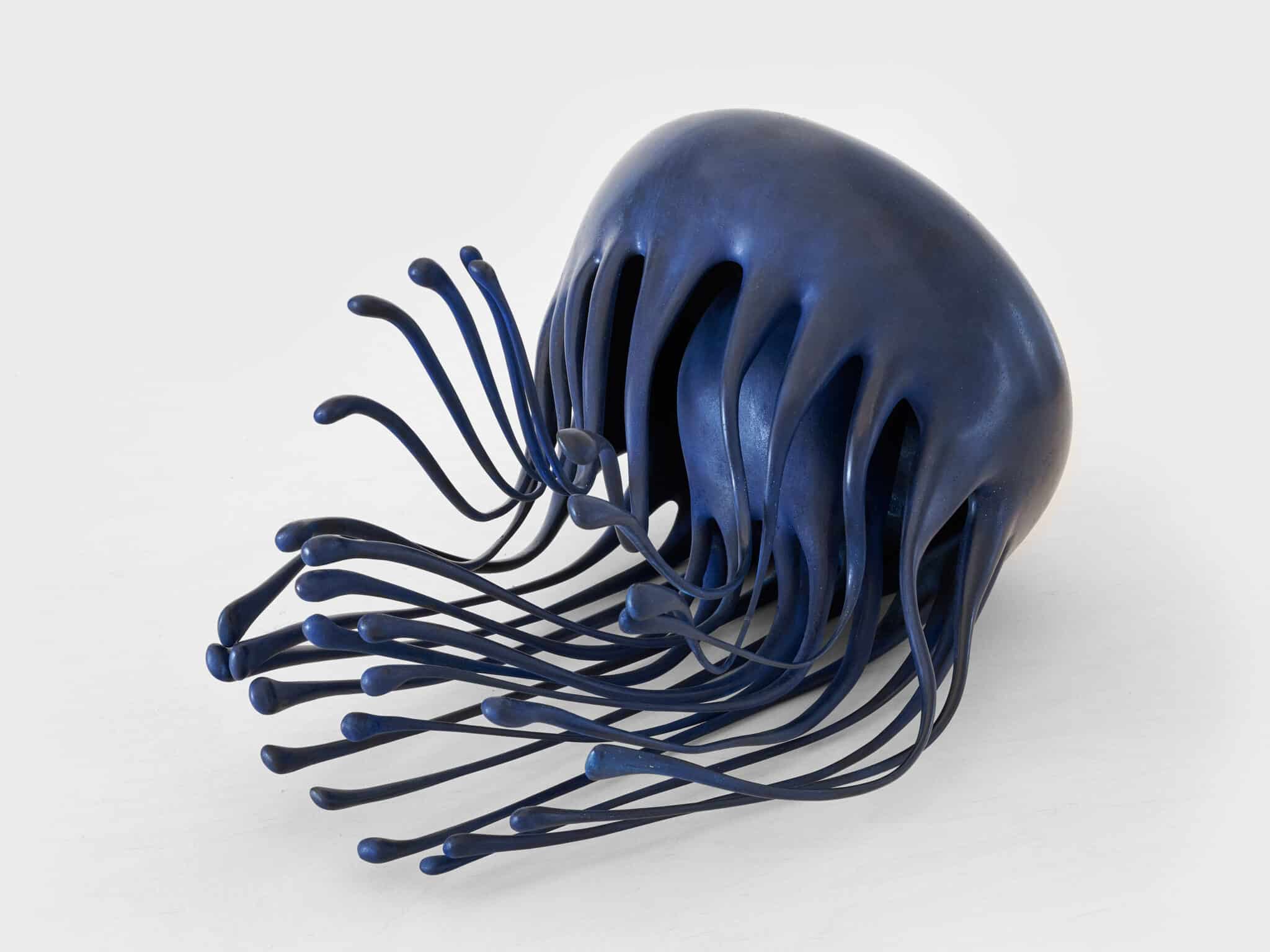
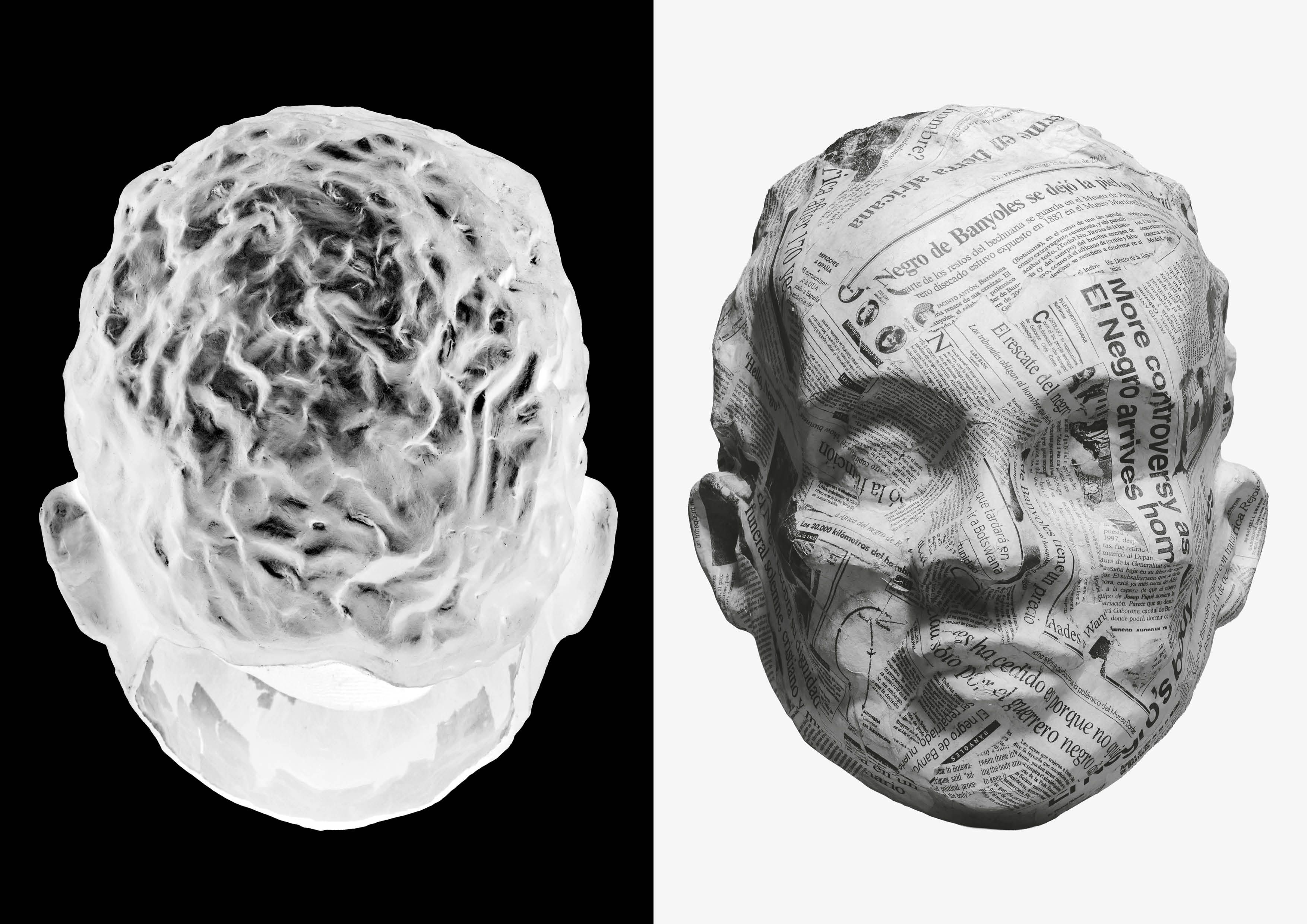
Jean-Luc Moulène, Méduse, Paris 2018. Photo: M3 Studio / Thomas Dane Gallery. Courtesy of the artist and Galerie Chantal Crousel, Paris, Thomas Dane Gallery, London-Naples and Galerie Greta Meert, Brussels.
The concept of translation here takes on a meaning that goes beyond its usual association with language. It is understood as the capacity to transfer something from one system to another, modify its context, alter its function, or give it a new configuration. In the sculptural field, this operation can occur by transforming a two-dimensional image into a three-dimensional structure, materializing an idea that until then had no physical form, or moving an everyday object into an artistic realm. The result is not a simple reproduction of the original, but a new reality that retains some relationship to its starting point while simultaneously establishing a distance from it.
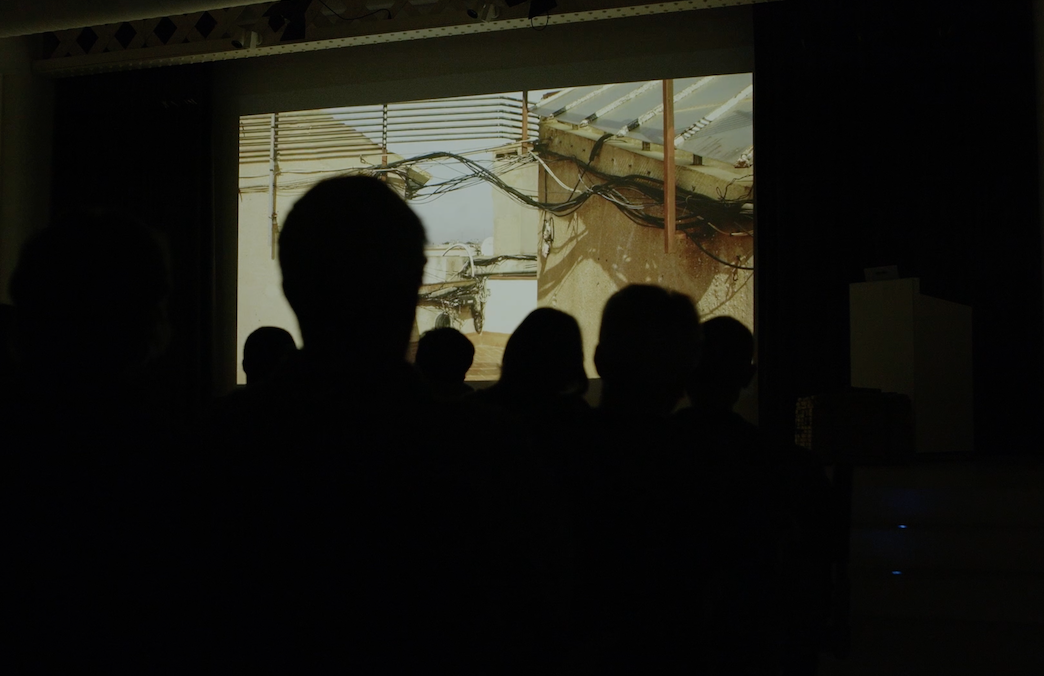
The selected works approach these displacements from conceptual perspectives, researches linked to artisanal processes, installations that activate and modify the perception of pre-existing spaces, and objects that acquire a different artistic function. In some cases, translation involves an evident metamorphosis: one material becomes something else, an idea finds a physical presence, or a form changes radically in scale and nature. In others, the displacement is more subtle and manifests through tonal variations, context changes, or alterations in the way an image, material, or structure is interpreted.
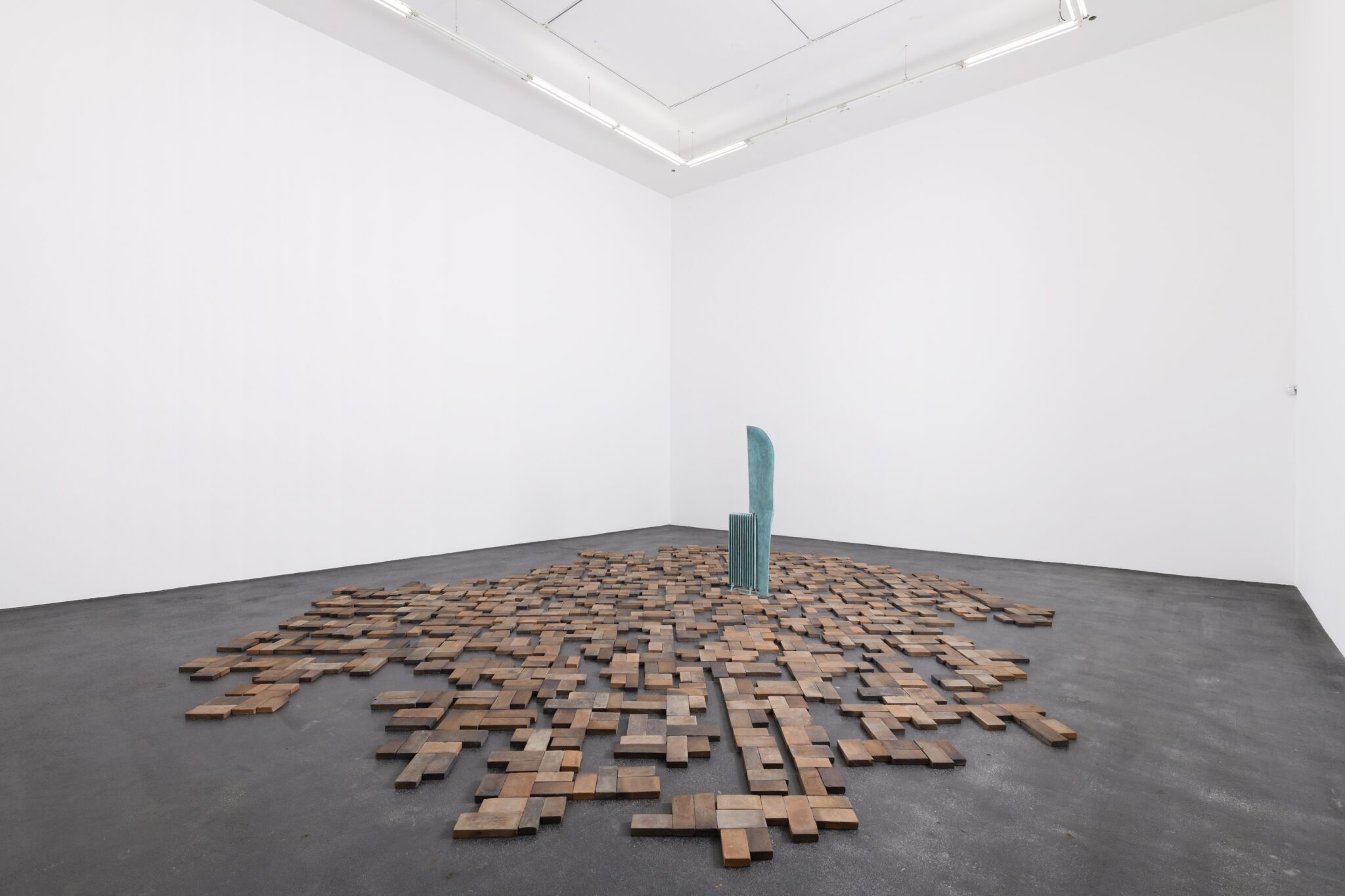
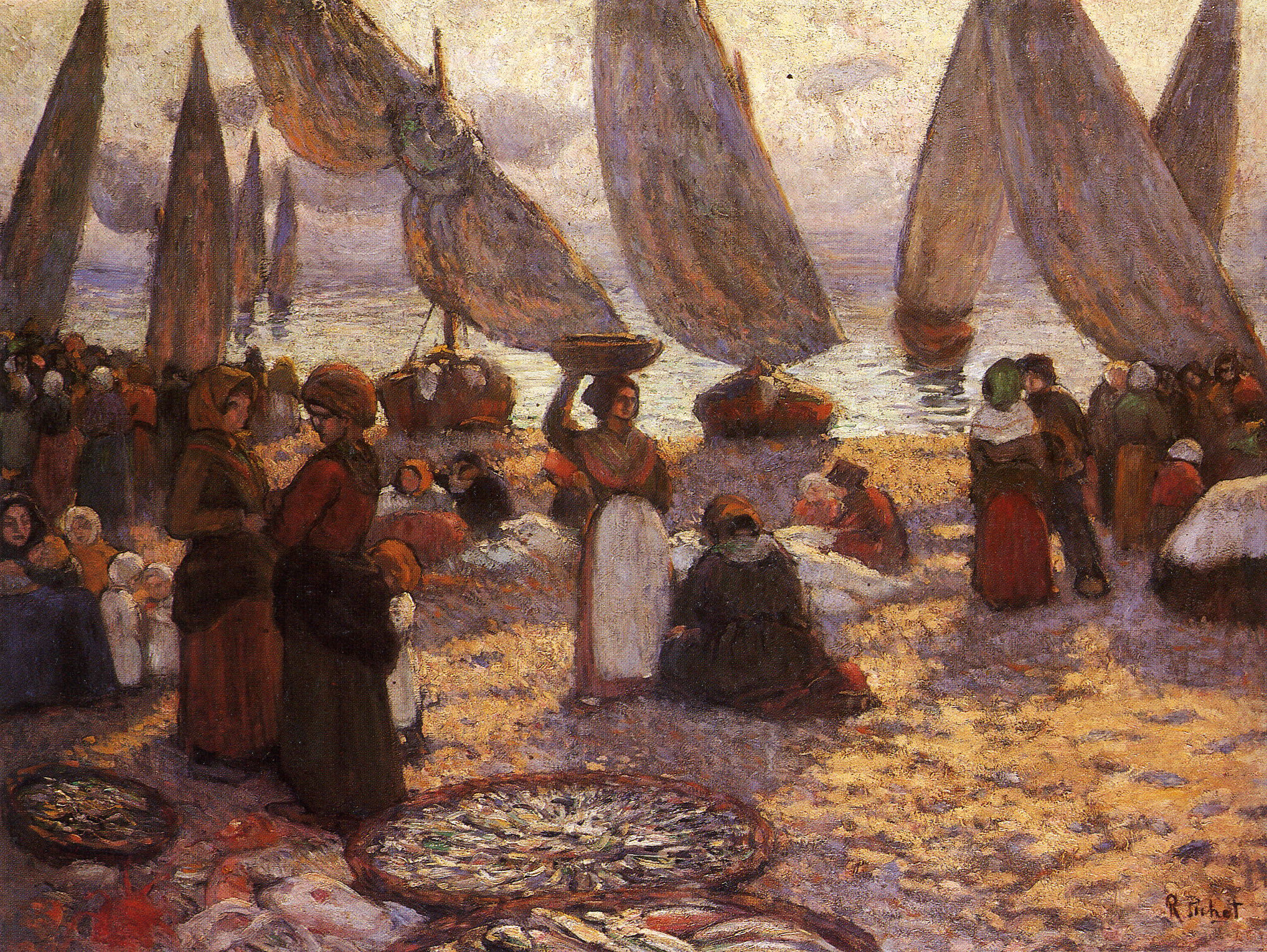
Katinka Bock, A and I (wet), 2022. © Kunsthalle Bielefeld. Courtesy of the artist. Photo: Philipp Ottendoerfer.
This approach allows establishing a genealogy of sculptural transformation crossing different moments in art history. From classical Greek sculpture, capable of reproducing the appearance of soft skin through the hardness of stone, to the decontextualization operations of the ready-made, which introduced ordinary objects into the artistic space and altered their meaning, sculpture has maintained a constant relationship with the translation of forms and materials. Material Shifts recovers this tradition without limiting itself to its historical formulations and poses how these operations continue to generate possibilities in contemporary practices.
One of the central aspects of the exhibition is precisely the relationship between the works and objects of everyday life. Although some pieces refer to recognizable forms or maintain visual links with functional elements, their artistic condition does not depend on a simple appropriation of the existing. They are presented as translated objects, displaced from their origin and separated from the function they initially had. This distance introduces a tension between recognition and estrangement, between what we think we identify and the new material reality before us.
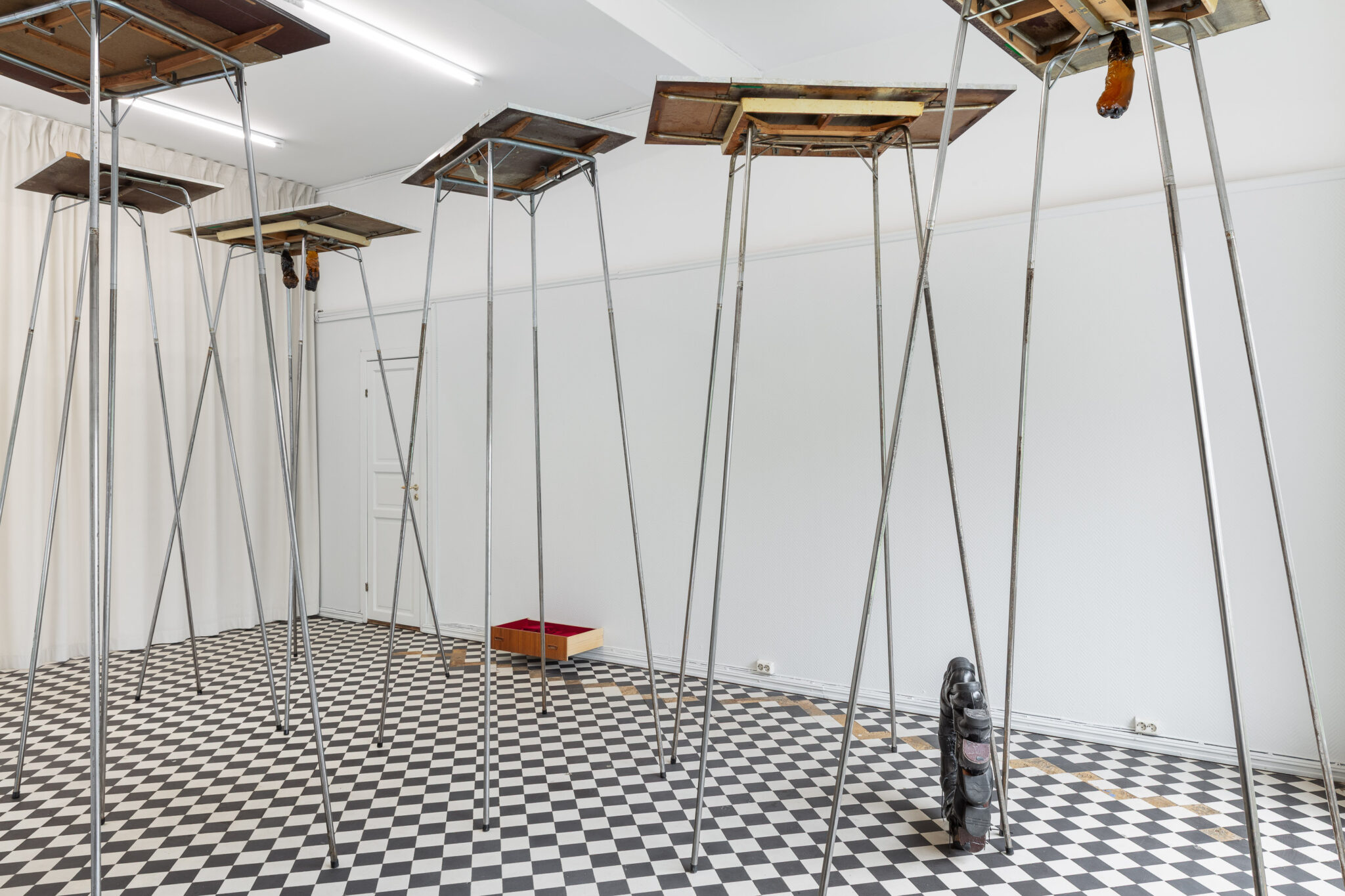
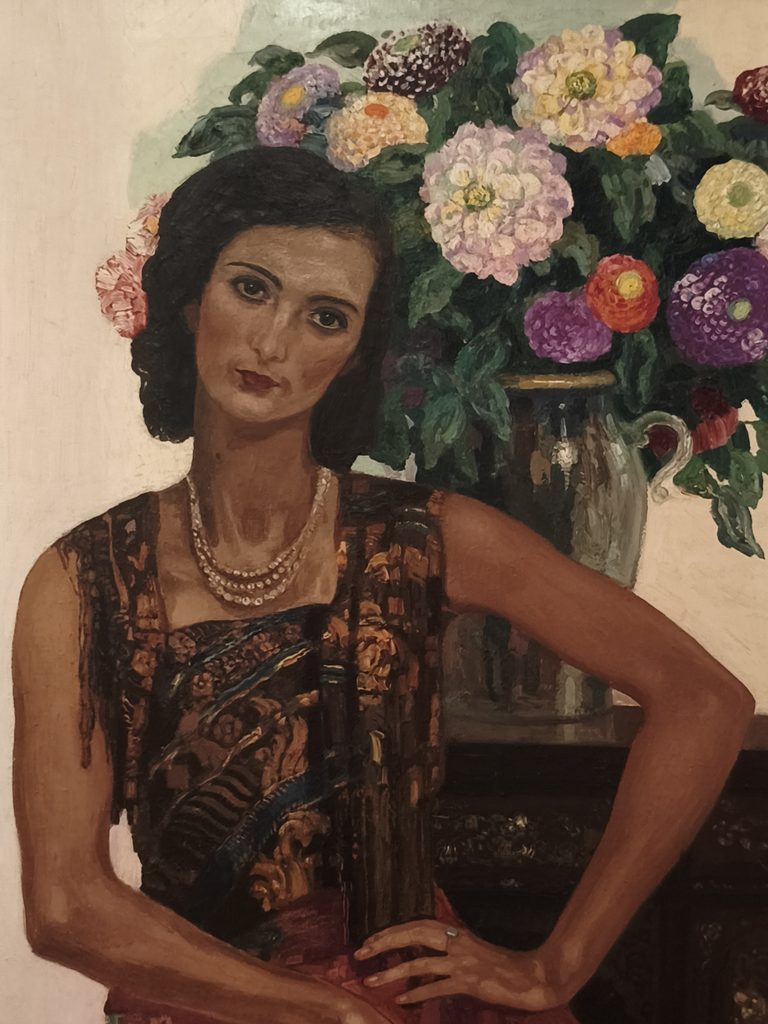
Kaare Ruud, "Business doing pleasure with you", 2025, Femtensesse. Courtesy of the artist and Femtensesse. Photo: Tor Simen Ulstein, Kunstdok.
The proposal also invites reconsidering the categories commonly used to interpret contemporary art. Without recovering the modernist conception of disciplinary purity, the exhibition claims the specificity of the sculptural opposed to notions like installation or object, terms that have gained a predominant presence in current discourses. Sculpture thus appears as a research field with its own characteristics, yet permeable to other languages and procedures.
In this sense, Material Shifts does not aim to establish a closed definition of sculpture but to explore the conditions that allow an idea, image, material, or object to acquire a different existence. The participating artists build passages between the ephemeral and the permanent, the two-dimensional and the three-dimensional, the physical and the conceptual, showing that each transformation also implies a modification of our perception.
You may be
interested
...