
Exhibitions
Half light claims the memory of materials and ancestral knowledge at the CDAN
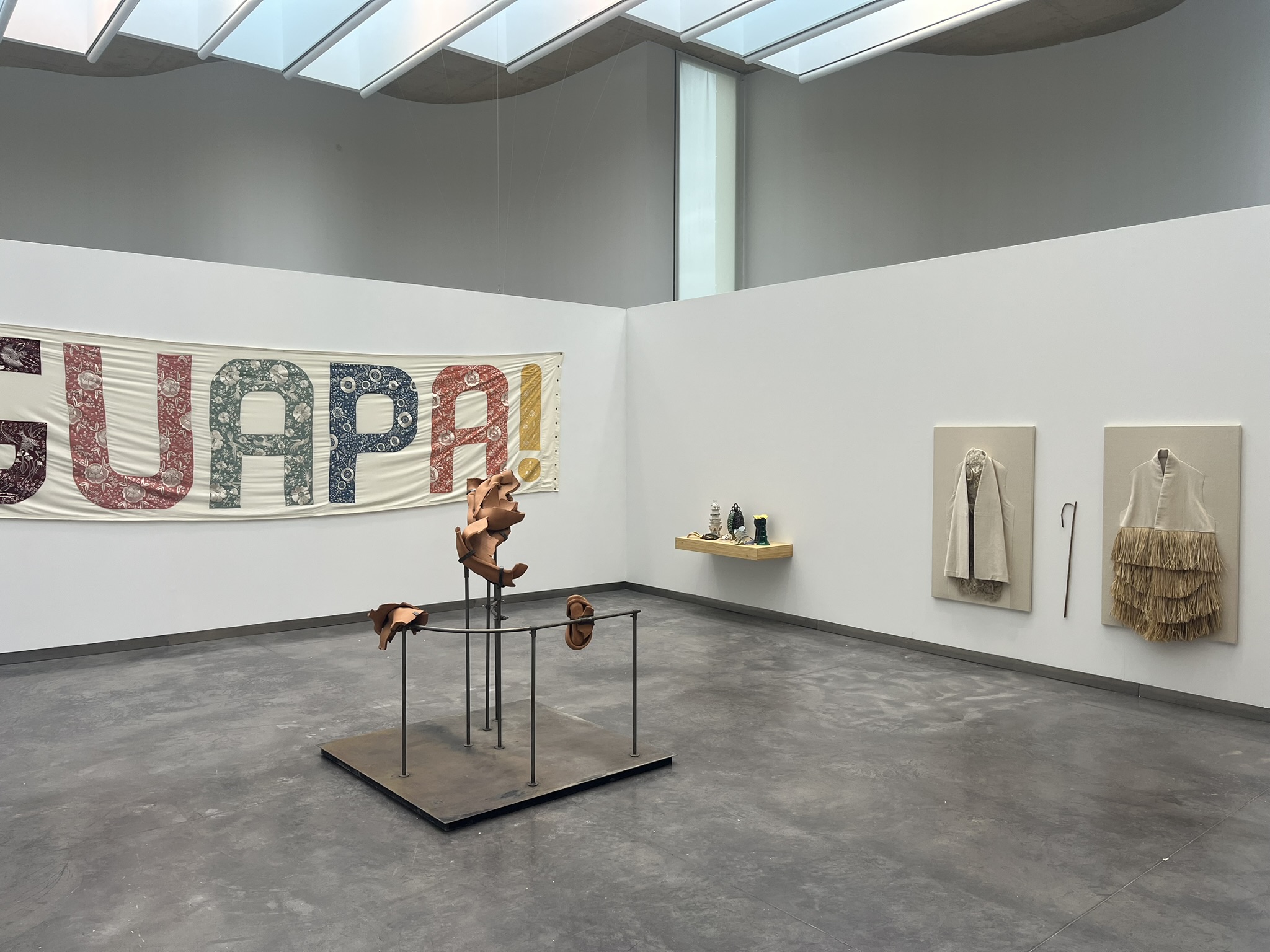
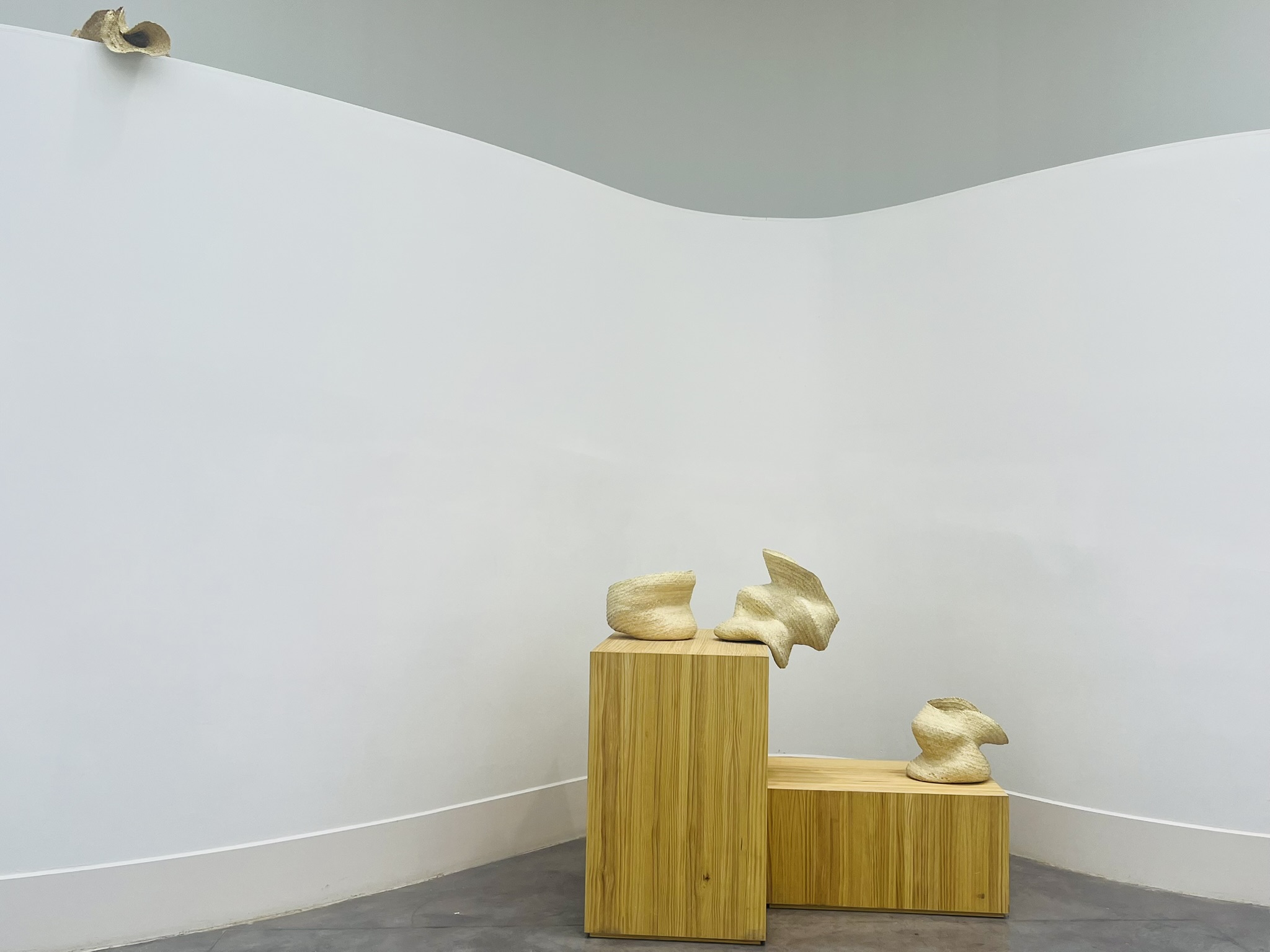
Matter preserves a memory that goes far beyond its appearance and utility. Within it remain gestures, techniques, stories, and knowledge passed down from generation to generation. From this perspective, A media lumbre offers an approach to contemporary art through materials and practices that have been relegated for centuries to the consideration of minor arts. Ceramics, clay, wool, textiles, esparto grass, and natural fibers acquire a new dimension here, linked to issues such as territorial identity, sustainability, cultural transmission, and the recovery of historically invisible knowledge.
The Center for Art and Nature (CDAN) in Huesca hosts this new phase of the project from November 12, 2026, to July 4, 2027, with Blanca de la Torre as curator. The exhibition also incorporates sounds, silences, and voice as transmission tools, reclaiming oral tradition and its capacity to preserve collective memory. This dimension refers to the ancient filandones, those nighttime gatherings around the fire where manual work coexisted with shared stories. A meeting space where making, listening, and storytelling were part of the same communal experience.
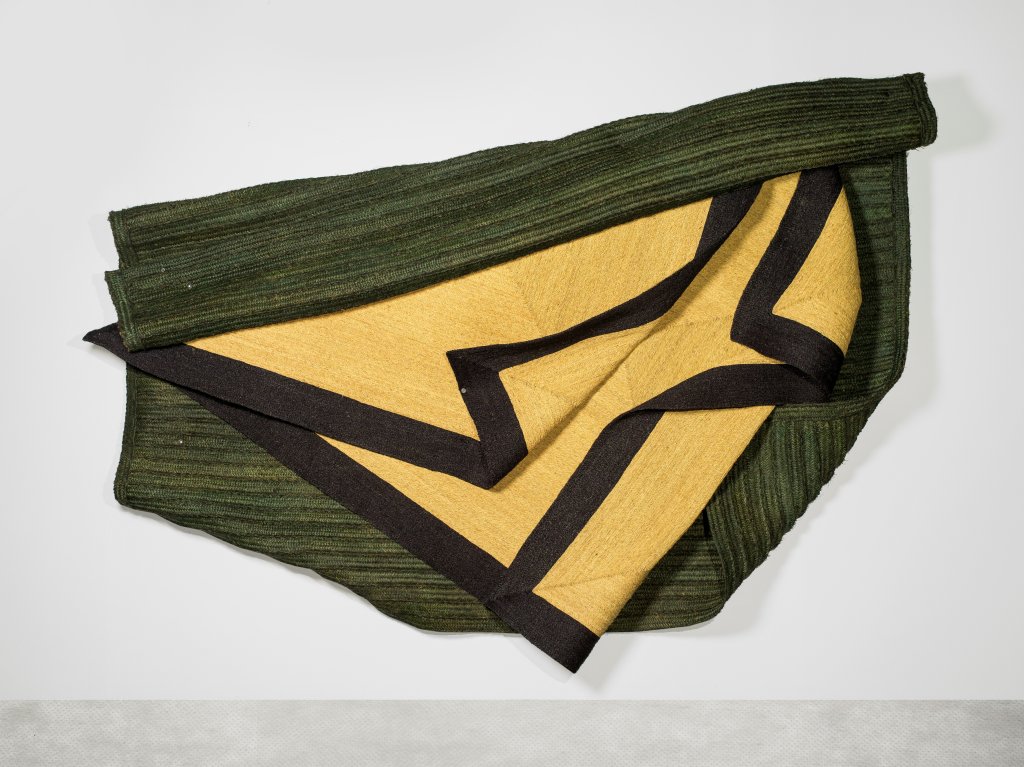
Conceived as a hymn to good living and the sovereignty of time, the proposal invites the recovery of pause, listening, and attention to material processes. The gathered works share the desire to activate other modes of knowledge and to rescue narratives that have remained on the margins of dominant cultural discourses. In this territory of confluences, material and immaterial heritage, technique and affection, gesture and word build a network in which materials cease to be passive elements and become living archives. Wool refers to transhumance and care practices; plant fibers speak of fragile ecosystems and respectful ways of use in relation to the environment; ceramics recover their original function of containing, transporting, and accompanying everyday life. Materials traditionally associated with functional uses thus find new poetic and conceptual possibilities.
The project brings together contributions from Pilar Albarracín, Javier Bravo de Rueda, Saskia Calderón, Ricardo Calero, Susana Cámara Leret, Carolina Caycedo, Joan Pere Catalá Roig and Albert Pinya, Tonina Crespí, Olga Diego, Ana Esteve Llorens, Antonio Fernández Alvira, Julie C. Fortier, Gloria Godínez, Cara Holmes and Orla Barry, Noemi Iglesias Barrios, Mónica Jover, Cecilia Jurado Chueca, Teresa Lanceta, Glenda León, Lucía Loren, Sandra Mar, Adriana Meunié, Asunción Molinos Gordo, Xavier Montsalvatje, Sonia Navarro, Carla Nicolás, Lara Ordóñez, Alex Reynolds, Nuria Riaza, Belén Rodríguez, Estíbaliz Sádaba, Laura Segura, Isabel Servera, Laurita Siles, Ona Trepat Rubirola, Sarah Viguer Cebriá, and Concha Ybarra. From diverse languages and practices, their works allow addressing materiality as a space of relationship between people, territories, and communities, and as a way to question the hierarchies that have determined which knowledge and forms of creation deserve recognition.
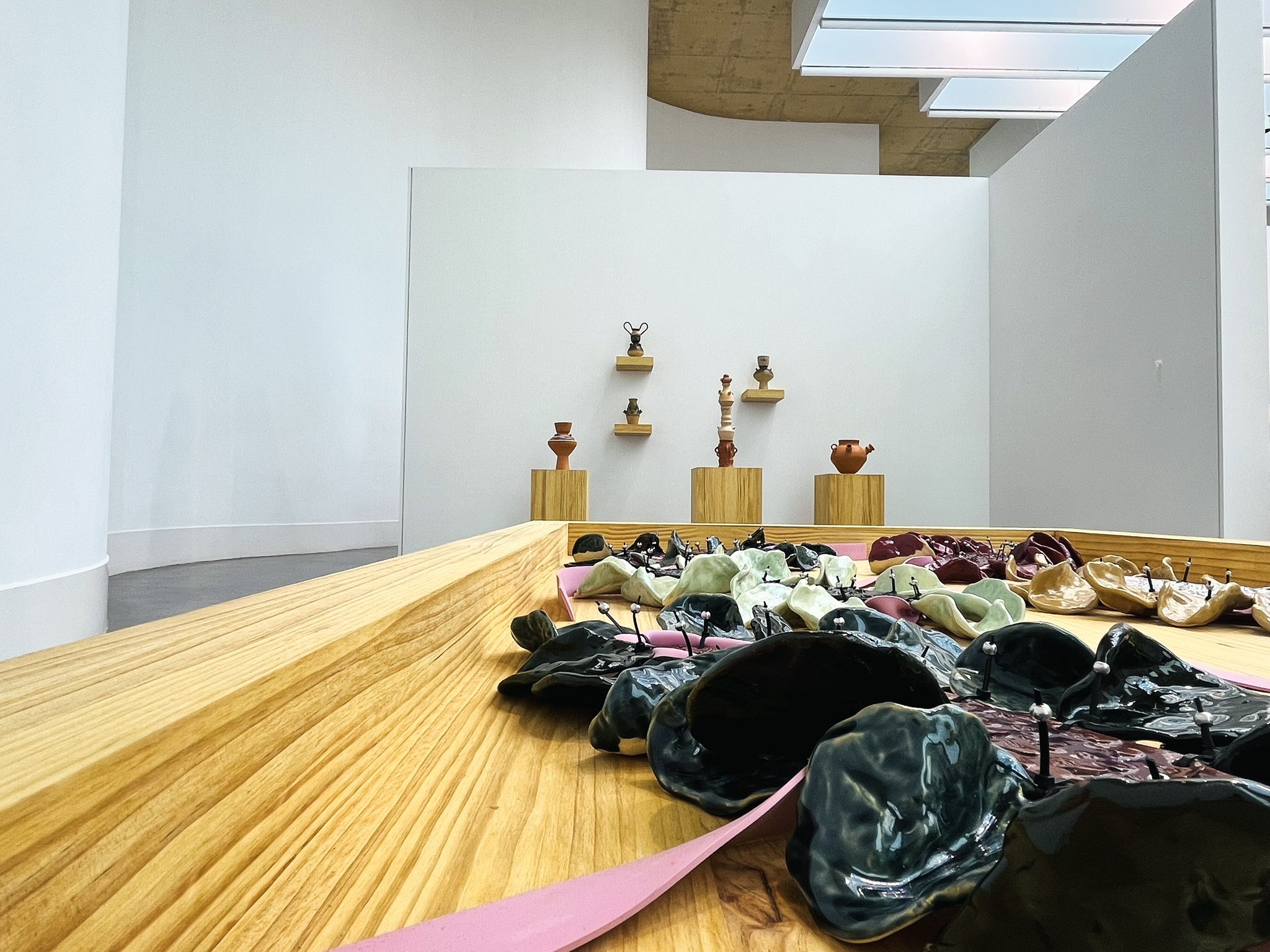
A media lumbre is also a choral project articulated through four autonomous exhibitions in different territories: Valencia, Mallorca, Aragón, and Catalonia. Its journey began at the Institut Valencià d'Art Modern (IVAM), then extended to Casal Solleric, Es Baluard Museum, and Sa Refinadora in Mallorca. The proposal now arrives at the CDAN in Huesca and the Terra Museum in L'Espluga de Francolí, expanding an itinerary that connects urban and rural contexts and establishes a dialogue between local traditions and possibilities for contemporary experimentation. Each institution activates the project from its own environment, contributing new resonances without losing the shared conceptual framework.
This territorial dimension constitutes one of the fundamental axes of the initiative. The exhibition approaches non-hegemonic epistemologies linked to craftsmanship, trades, peasant practices, and ways of life connected to land and water. Preserving this knowledge means much more than conserving technical procedures: it means protecting a living heritage composed of memories, oral stories, community experiences, and ways of understanding the world. The decentralization of knowledge thus appears closely linked to territorial decentralization, in an attempt to question cultural hierarchies and experiment with more polycentric models of production and knowledge transmission.
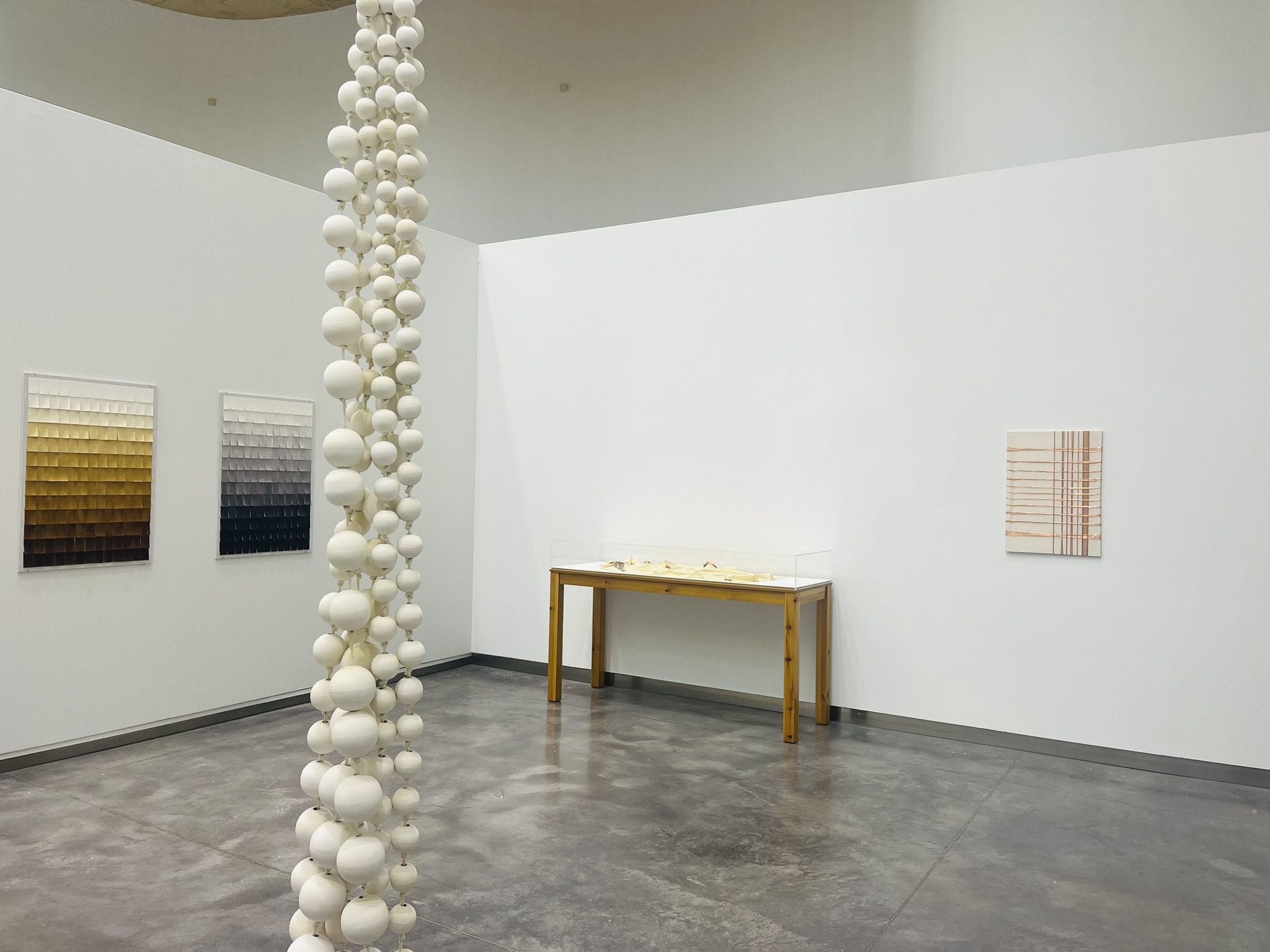
In its presentation at CDAN, the project especially incorporates the work of Carla Nicolás (Zaragoza, 1982) and Lucía Loren (Madrid, 1973), two artists who maintain a direct relationship with the territorial and natural context of Aragón. Both undertook artistic residencies in 2025 at the Fundación 3piedras, located in Ara (Huesca), an initiative with which the Center for Art and Nature has collaborated since its inception. The foundation promotes creative processes aimed at addressing some contemporary social challenges, paying special attention to the reconnection between human beings and nature and the recovery of the rural world as a space for coexistence. Incorporating these experiences strengthens the situated dimension of the exhibition and its desire to establish links between artistic creation, landscape, and community.
The production of A media lumbre also responds to this ecological awareness through the application of sustainability criteria, prioritizing natural and non-polluting materials, reuse of elements, reduction of international transportation, among other measures. It is not only about representing a more balanced relationship with the environment but also about transferring this will to the very conditions of production and presentation of the works.
You may be
interested
...