Exhibitions
Otros 360 Degrees Lights the Fire of Contemporary Ceramics
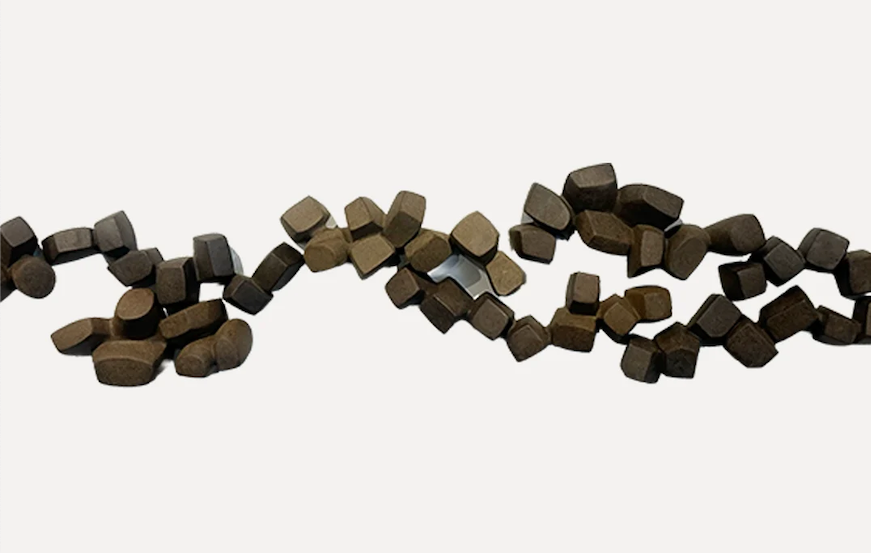
Ceramics demands time, knowledge, and a direct relationship with the material. It is a craft that is learned slowly, through repetition, error, and correction, and whose mastery depends on understanding the behaviors of clay, firing temperatures, the chemical composition of glazes, drying times, and the mechanics of the wheel. A knowledge that is transmitted both through bodily experience and through observation and shared learning. This artisanal dimension, historically linked to patience and manual skill, is the starting point of Earth and Fire, an exhibition that brings together nineteen Colombian artists with very diverse approaches to ceramic creation at the Otros 360 degrees space in Bogotá.
The exhibition vindicates the dedication required by this artistic language and proposes a reading that transcends its traditional consideration as a craft trade. For centuries, ceramics was relegated to the category of minor arts or applied arts, in contrast to disciplines such as painting or sculpture in stone and bronze, considered expressions of the so-called major arts. This hierarchy, inherited from the Italian Renaissance tradition, established a separation between thought and manual execution, between intellectual creation and the production of objects intended to fulfill everyday functions. The close relationship of ceramics with domestic life, food, and storage contributed to placing it for a long time closer to crafts than to the territory of fine arts.
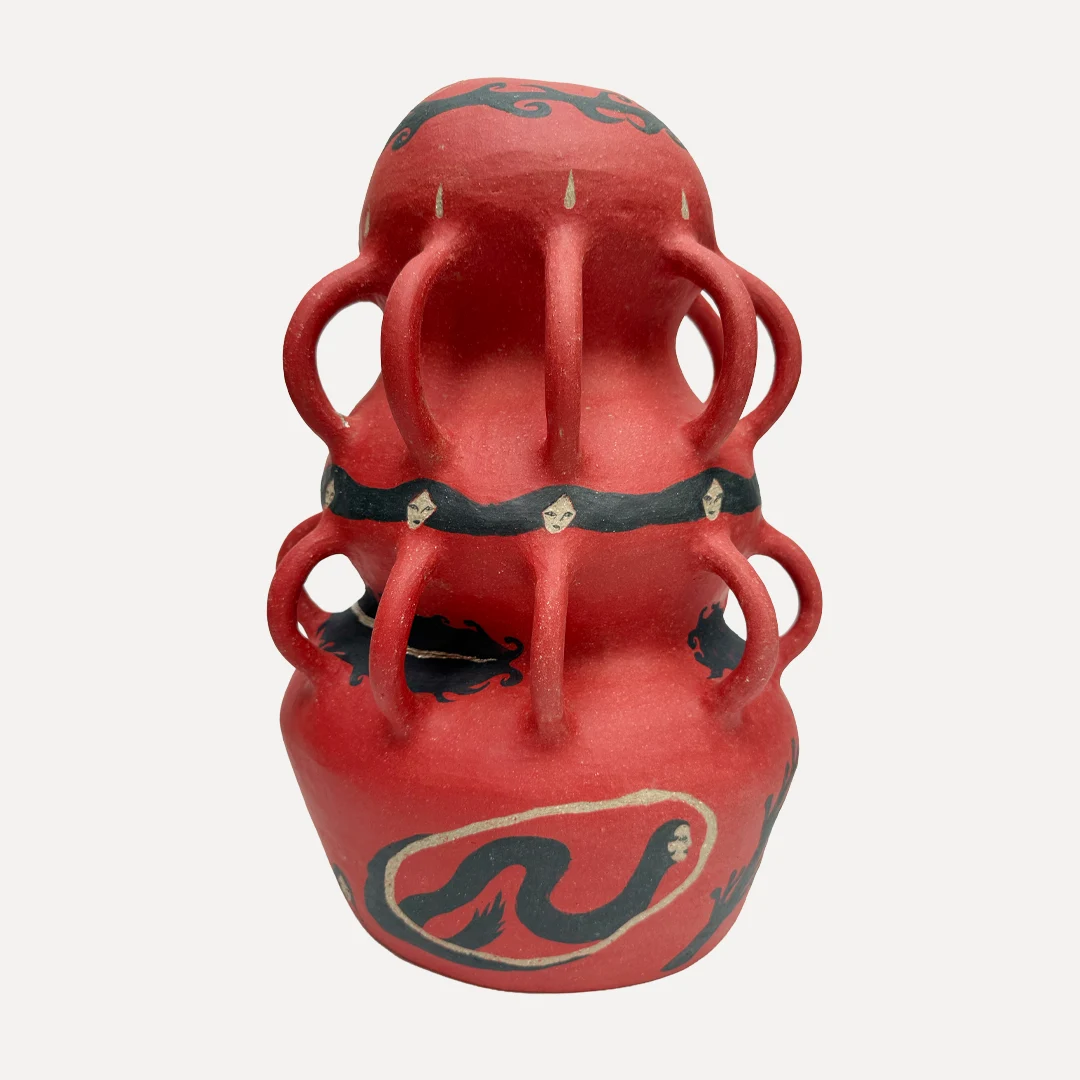
Work by Laura Serna.
Earth and Fire proposes a revision of this classification and places clay at the center of an artistic investigation that deliberately moves away from utility. The pieces gathered explore ceramics as sculptural, conceptual, and experimental language, freeing the material from its usual functions to concentrate on its expressive possibilities. Shapes, textures, volumes, and colors gain autonomy and construct a universe where the material ceases to be subordinated to the object to become the protagonist of the aesthetic experience.
Participating in this journey are Zulma Ávila, Ana Buitrago, Nicolás Bonilla, Kelly Carvajal, Ricardo Escobar, Sergio Ferro, Alejandro Frieri, Priscila González, Caya Gutiérrez, Juan David Henao, Pablo Ibarra, Santiago Insignares, María Morales Arango, Bernardo Montoya, Laura Serna, Amelia Triviño, Verónica Trujillo, Alejandra Vargas, and Carol Young. Nineteen perspectives that allow an approach to the diversity of contemporary Colombian ceramics and the different ways of exploring the possibilities of a material whose transformation depends on a delicate balance between technical knowledge, experimentation, and chance.
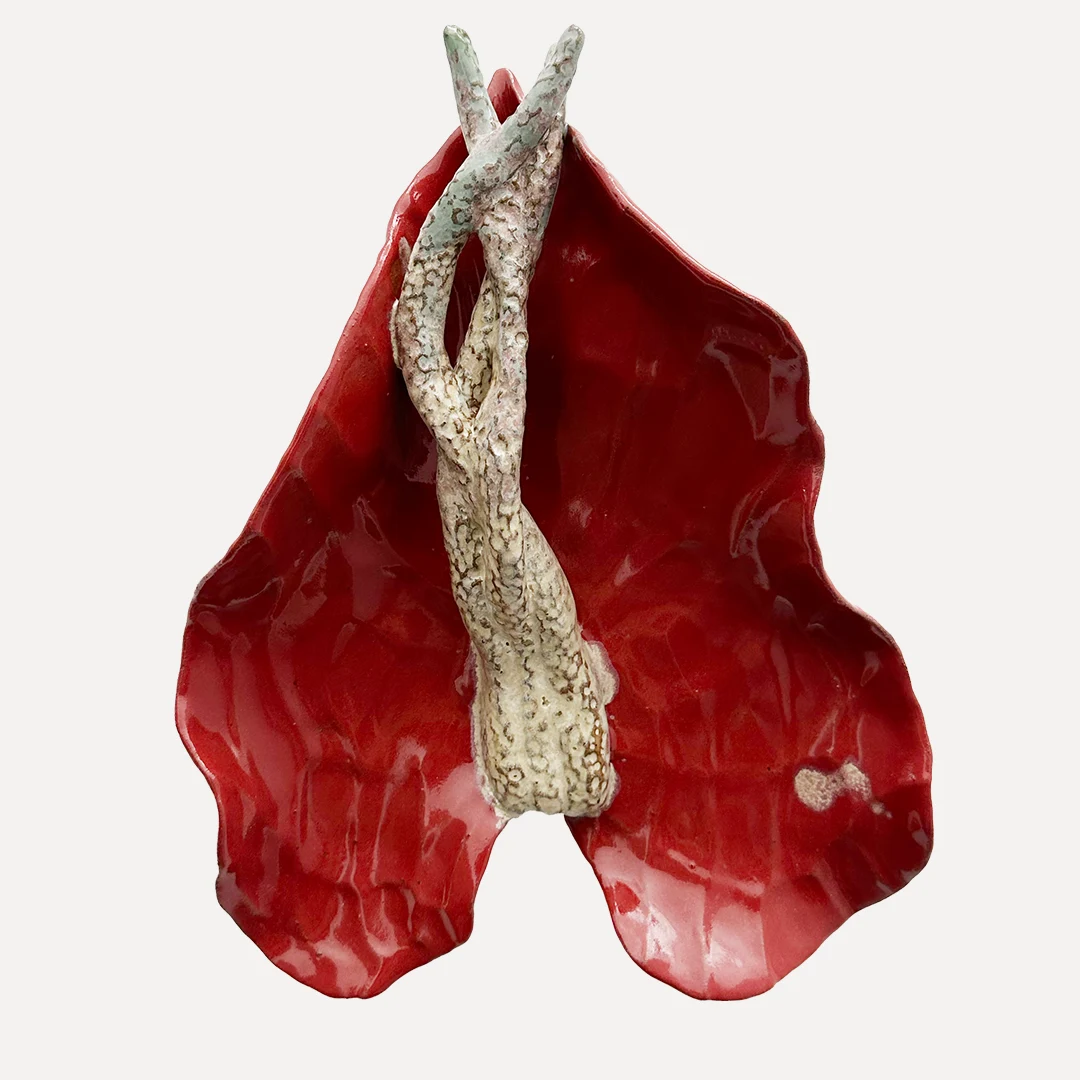
Work by María Morales Arango.
The exhibition thus sketches a panorama of contemporary ceramic creation as an expanding territory where tradition and innovation coexist without the former limiting the possibilities of the latter. Clay becomes a matter of thought, a research tool, and a space of formal freedom. Between earth and fire, the artists build a language of their own that vindicates the complexity of an ancient craft and demonstrates that the manual dimension is not at odds with conceptual ambition or artistic experimentation.
You may be
interested
...