Exhibitions
The slow transformation of the artistic gaze in Spain
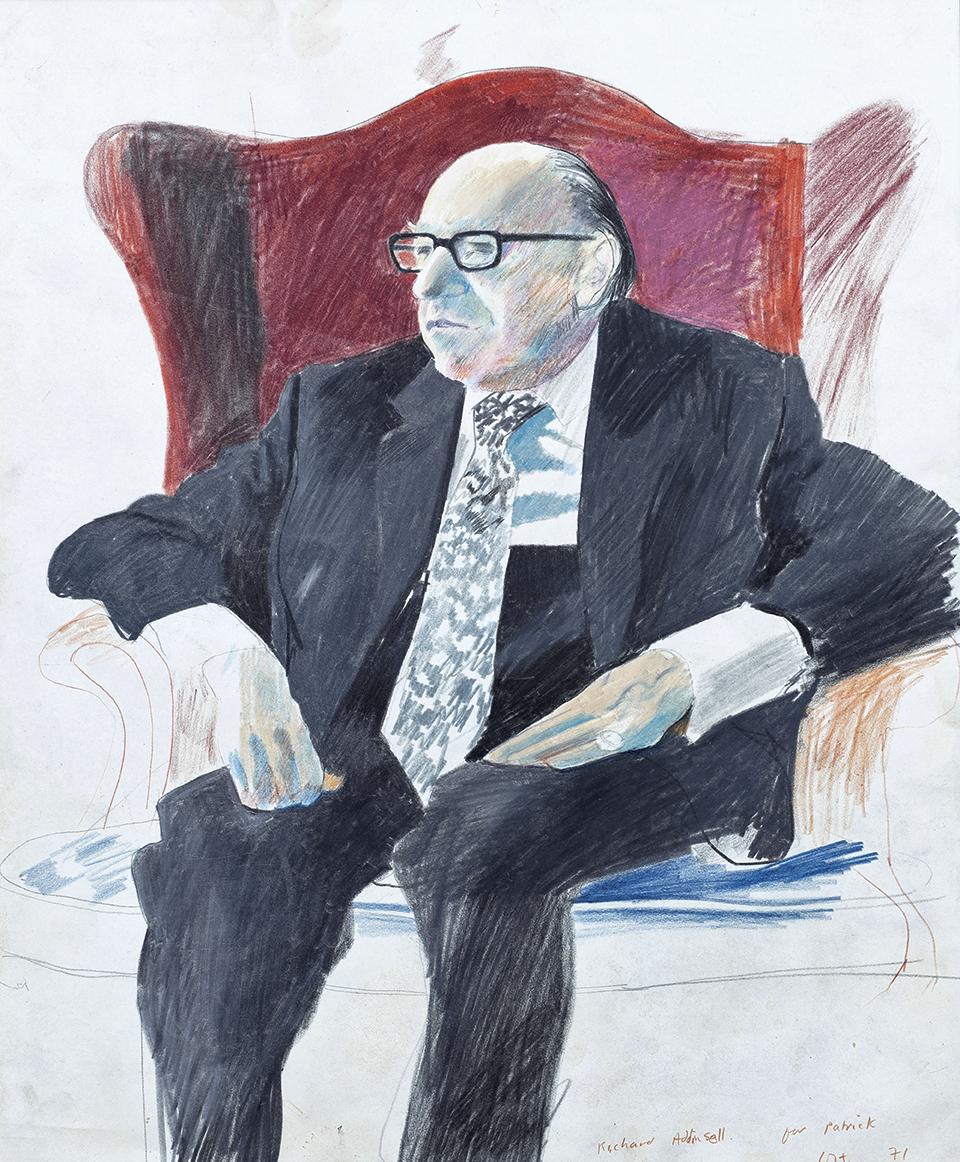
The history of contemporary art can also be explained through the exhibitions that made it visible, the institutions that facilitated its arrival, and the spaces that helped transform the public's perspective. This is the perspective proposed by *The Aesthetic Transition. Spain, 1960-2020* , an exhibition on view at the Juan March Foundation in Madrid from October 16, 2026, to January 10, 2027, which examines the circumstances that shaped the reception of modern and contemporary art in Spain over six decades.
The exhibition offers an interpretation of the transformation of the Spanish art scene through the lens of the exhibition itself. Beyond the artworks and their creators, it focuses on the mechanisms of circulation, exhibition, and reception that allowed for the incorporation of new languages and trends into a cultural context that, for much of the 20th century, remained detached from the main international circuits. In this sense, the exhibition understands the arrival of contemporary art as a complex process, conditioned by the political, social, and institutional circumstances of each era.
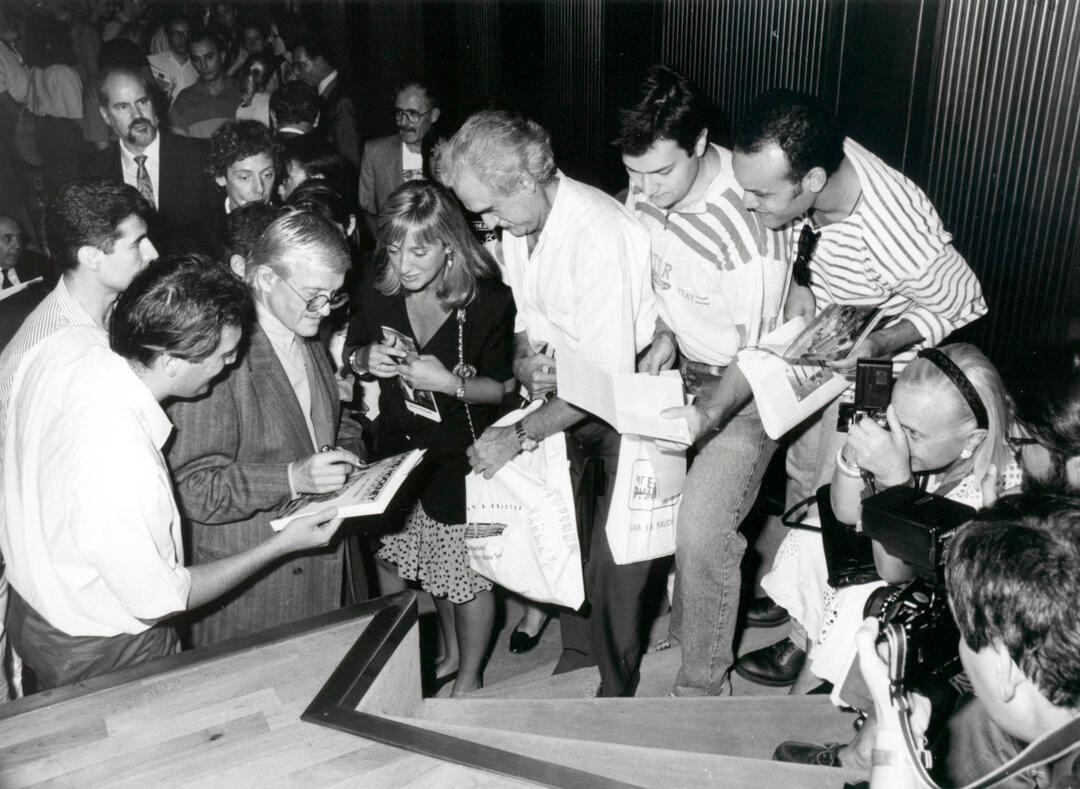
David Hockney at the opening of his exhibition at the Juan March Foundation Auditorium, Madrid, 1992. Photographic Archive of the Juan March Foundation.
Through a wide selection of artworks, photographs, documents, and audiovisual pieces, the exhibition reconstructs the initiatives that began to transform this landscape from the 1960s onward. Among the materials gathered are seventy-one case studies dedicated to the arrival of international art in Spain, which reveal how exhibitions, collections, museums, publishers, and periodicals contributed to opening new avenues of knowledge and dissemination.
The proposal also highlights the role played by diverse agents in building an art scene more open to international trends. Alongside public and private institutions, galleries, individual projects, and independent or countercultural spaces participated in transforming an environment that lacked the infrastructure and continuity necessary to compete with other Western countries. The gradual emergence of these initiatives expanded the possibilities for exhibition and debate, while also fostering contact between Spanish artists and the movements that were redefining contemporary art beyond its borders.
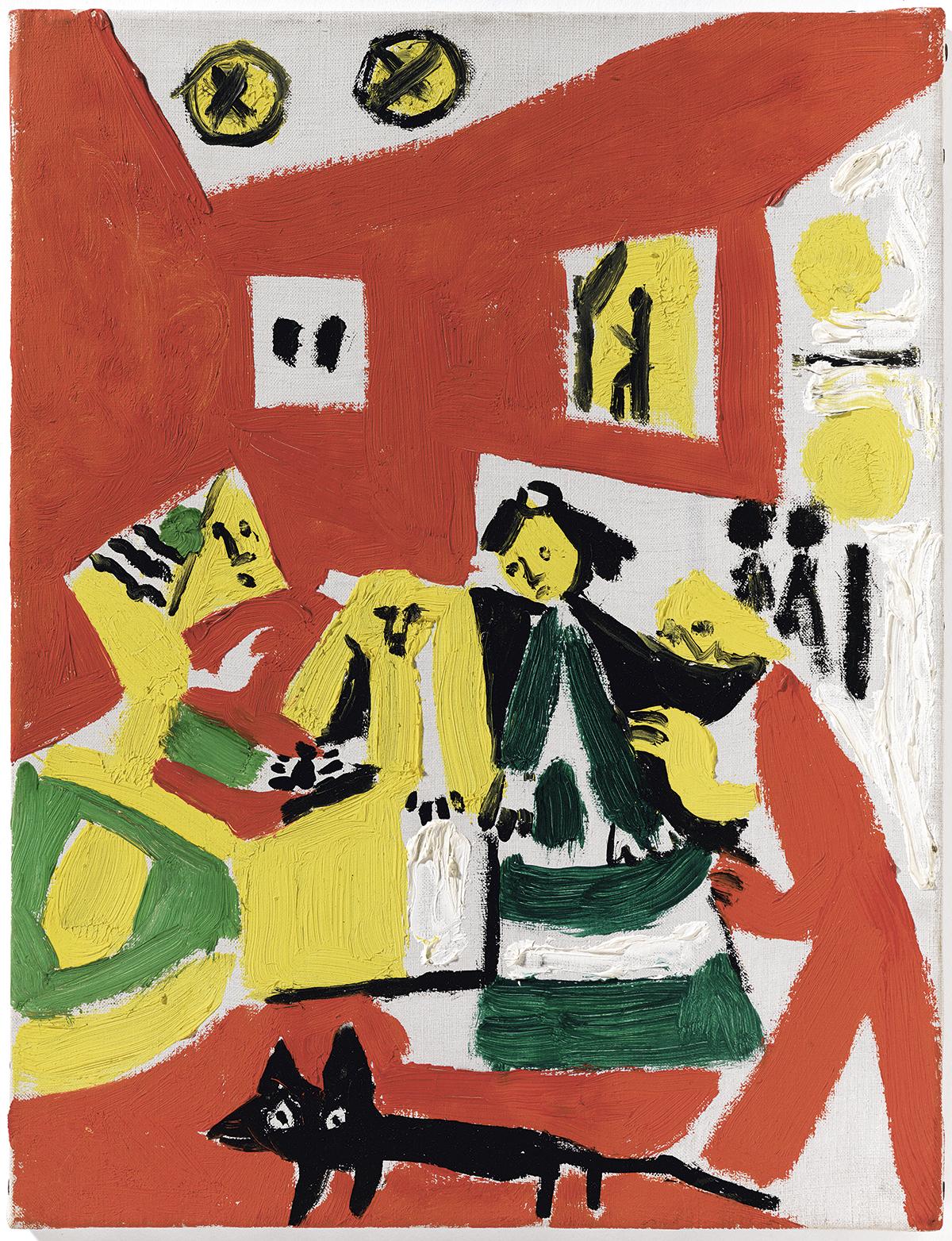
Pablo Picasso, Las Meninas, 1968. Museu Picasso Barcelona, Pablo Picasso Donation.
The political context is fundamental to understanding this evolution. The democratic transition of the 1970s and 80s coincided with a profound reorganization of cultural life and the opening of new opportunities for artistic creation. However, Spain's integration into international art circuits was not immediate. The public reception of modern and contemporary art from abroad lagged at least three decades behind that of other Western countries, a gap that the exhibition addresses as one of the keys to interpreting the unique nature of the Spanish case.
The exhibition design complements this interpretation through a dense layout, conceived to evoke the movement of the artworks, their reception, and the accumulation of new elements over time and space. The exhibition thus proposes an experience that connects artworks, documents, and historical episodes, demonstrating that cultural modernization depended not only on the output of artists but also on the conditions that made it possible to understand, interpret, and discuss their works.
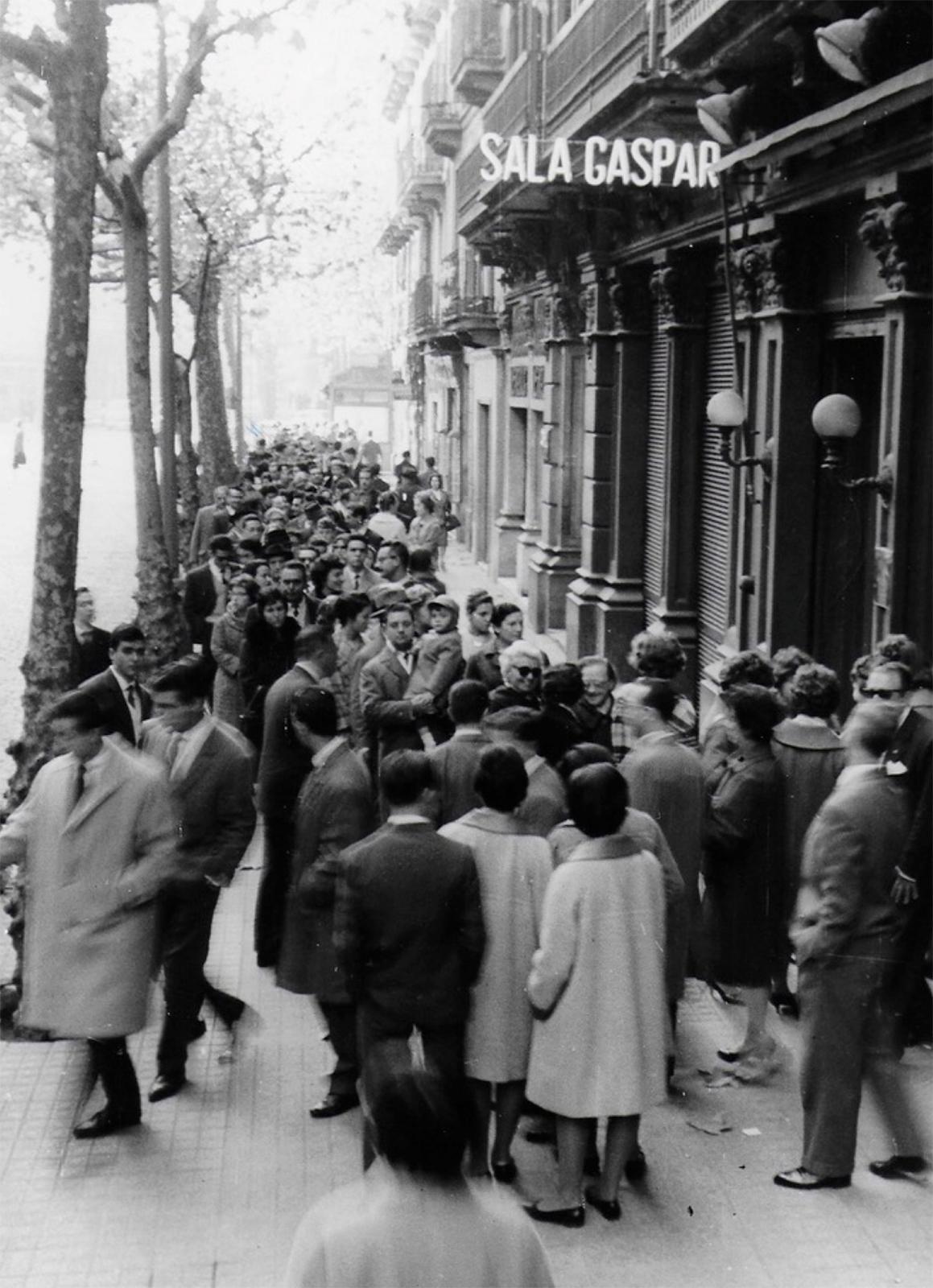
Public waiting to enter the Picasso exhibition, Sala Gaspar, Barcelona, 1960 ©Archive Elvira Farreras Valentí. Courtesy Pedro Marín Boza
The journey continues into recent decades, when Spanish visual culture became fully integrated into a globalized landscape. From this perspective, *The Aesthetic Transition: Spain, 1960–2020* invites us to revisit six decades of change and to question how narratives of contemporary art are constructed, what agents are involved in them, and to what extent exhibitions can alter the collective perception of an era.

You may be
interested
...