Exhibitions
Echoes of violence: a dialogue between times and geographies
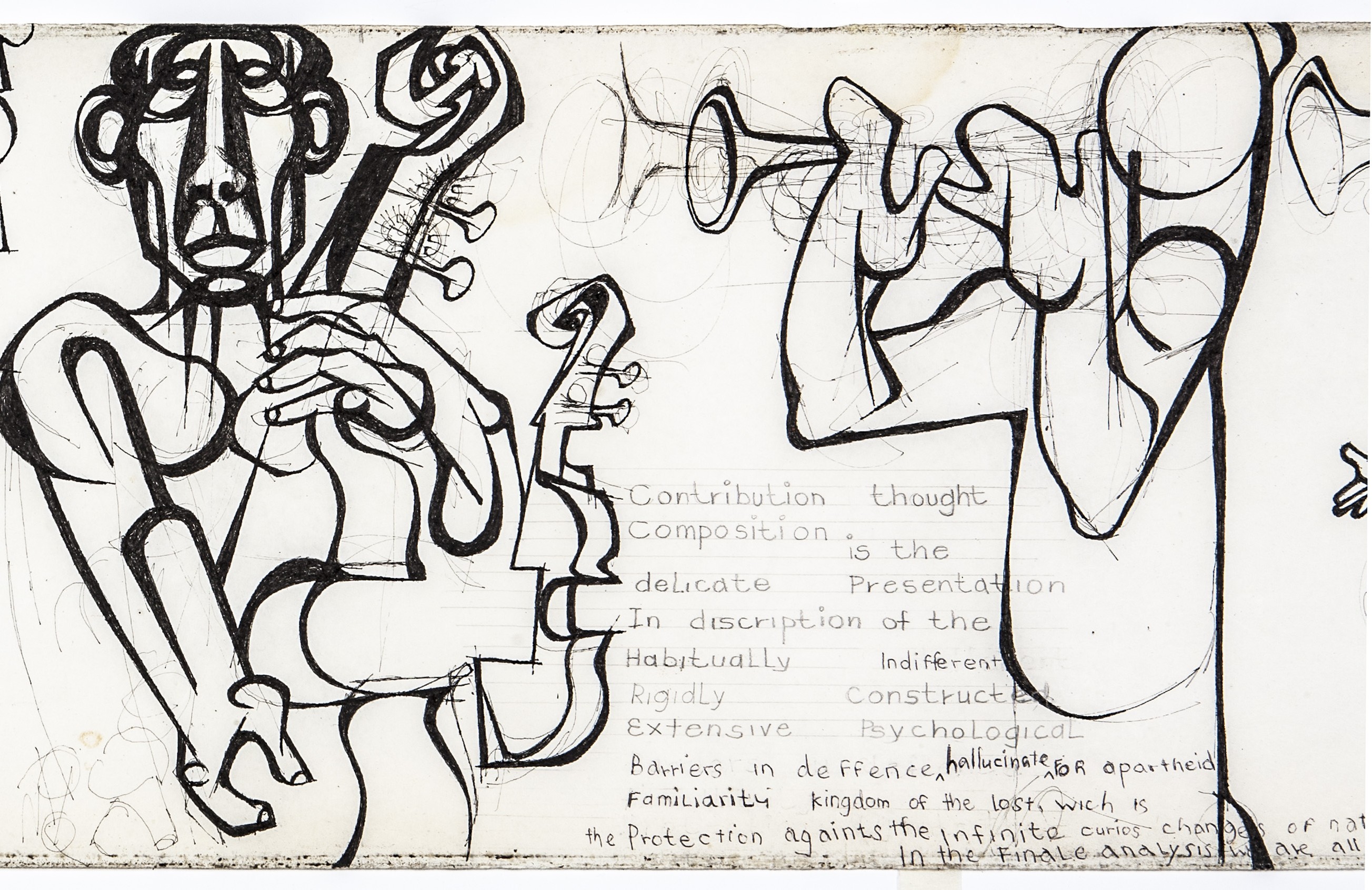
The Museo Nacional Centro de Arte Reina Sofía presents an encounter as unexpected as it is profoundly revealing: a confrontation between two works separated by decades and continents, yet united by a shared impulse to denounce violence. As part of the series of interventions “History Doesn’t Repeat Itself, But It Rhymes,” Pablo Picasso’s iconic Guernica engages in dialogue with African Guernica (1967) by South African artist Dumile Feni.
The initiative, conceived as a series of juxtapositions between Picasso's work and equivalent creations from other historical or geopolitical contexts, seeks to open new interpretations through the history of art. On this occasion, the result is a confrontation that invites reflection on different forms of violence: the explicit and devastating violence of the bombing of Guernica during the Spanish Civil War, and the more insidious but equally brutal violence of apartheid in South Africa.
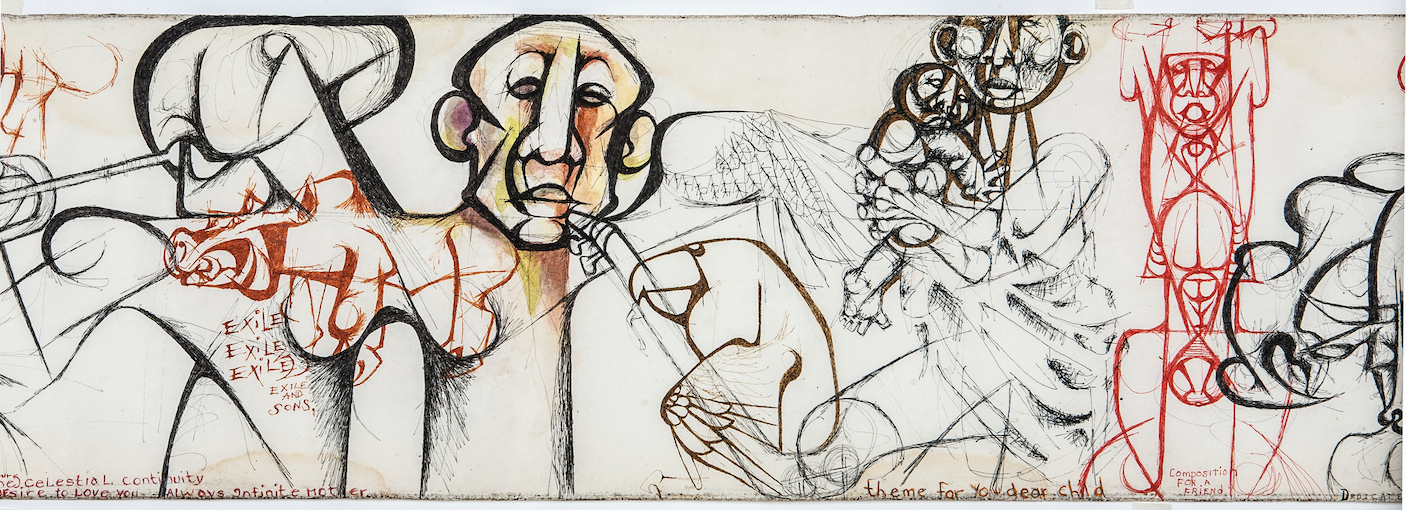
Dumile Feni, You Wouldn't Know God if he Spat in your Eye, 1975. Wits Art Museum Collection, Johannesburg. ©Estate Dumile Feni and Dumile Feni Family Trust.
Curated by art historian Tamar Garb, professor at University College London, the exhibition positions Feni's work as a key piece within African modernism. Executed in charcoal and on a monumental scale unusual in the 1960s, African Guernica is presented as a modern history painting that defies the conventions of drawing at the time.
Far from being a mere influence, Garb insists that Feni's work establishes a conscious dialogue with European tradition. The relationship between the two works is not based on imitation, but on a conceptual resonance: two artists, in different contexts, confronting the limits of the modern project through the representation of human suffering.
The museum's director, Manuel Segade, has pointed out that Feni's work embodies a critical moment in modernity, marked by the structural violence of apartheid. In this sense, the exhibition not only confronts images, but also historical and political systems that reveal profound fractures in the idea of progress.
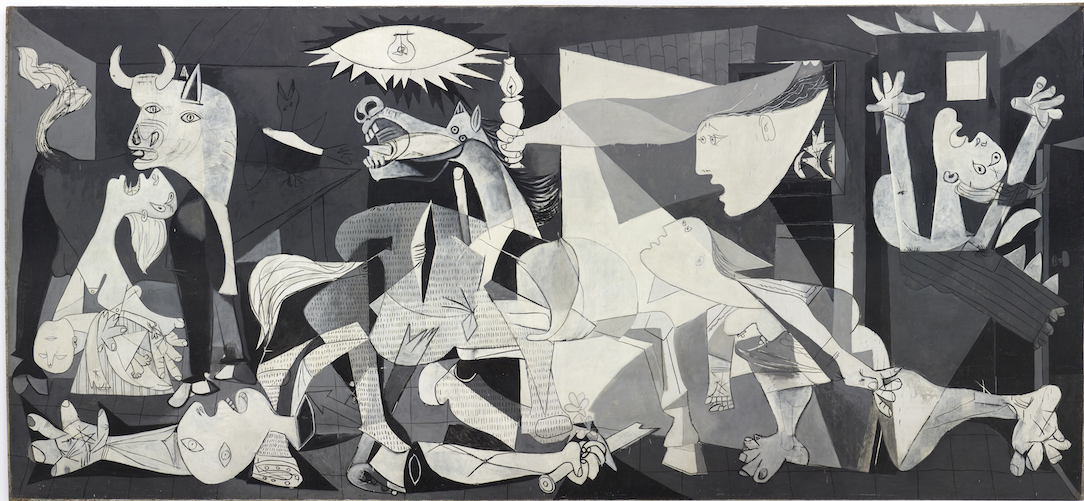
Pablo Picasso. Guernica, 1937. Museo Nacional Centro de Arte Reina Sofía. Photographic Archive of Museo Reina Sofía © Succession Picasso, VEGAP, Madrid, 2026.
Alongside African Guernica, the exhibition includes five other works by the South African artist, from institutions such as Fort Hare University, the Norval Foundation, and the Wits Art Museum, as well as private collections. This group is complemented by four preparatory drawings Picasso made for Guernica, from the museum's own collections.
The exhibition will be open to the public until September 22, showing how this intervention at the Reina Sofía not only broadens the understanding of an iconic 20th-century work, but also invites us to reconsider how history, even if it doesn't repeat itself, continues to find ways to rhyme through art.

You may be
interested
...