News
Smiljan Radić, Pritzker Prize 2026: the architecture of the essential
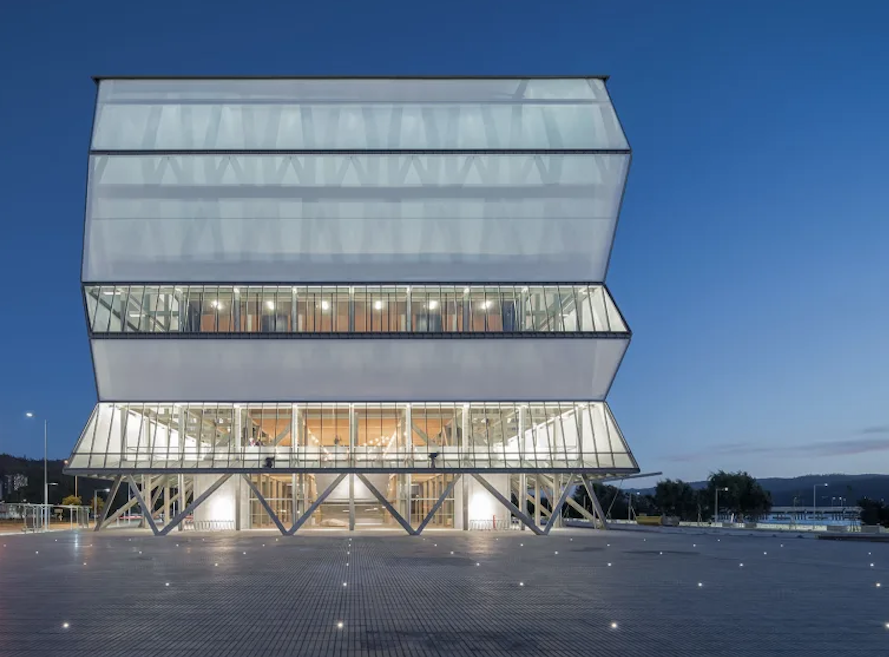
Chilean architect Smiljan Radić has been awarded the 2026 Pritzker Architecture Prize, often considered the equivalent of the Nobel Prize in architecture. The jury announced the award on Thursday, recognizing a career that has transformed the apparent fragility and simplicity of materials into profoundly evocative spaces.
At first glance, many of Radić's works appear unfinished or even precarious. However, this deliberately restrained aesthetic is precisely one of the qualities the jury highlighted: buildings that, far from being imposing, "uplift those who inhabit them," generating atmospheres they described as optimistic and quietly joyful.
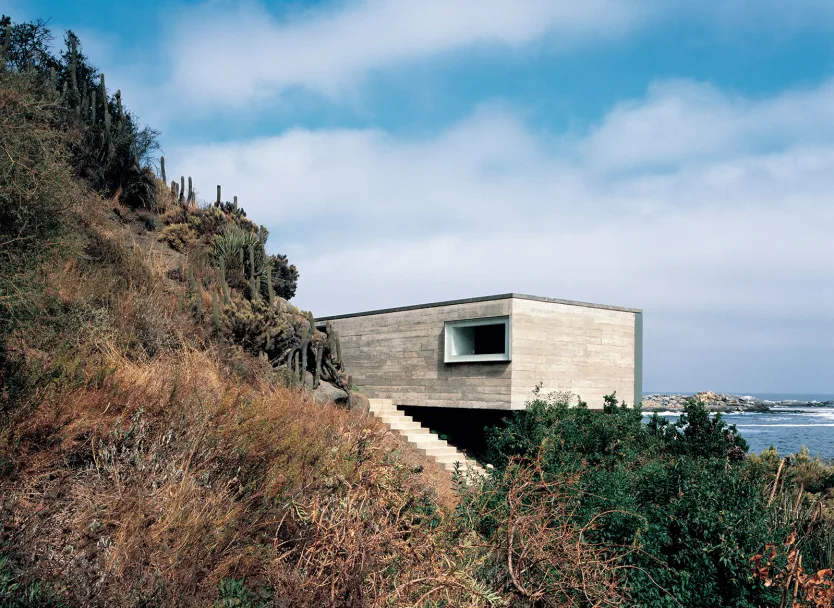
With this recognition, Radić becomes the fifth Latin American architect to receive the prestigious Pritzker Prize in its 47-year history. The award, first given in 1979 to the modernist pioneer Philip Johnson, has since recognized some of the most influential figures in the field, including Zaha Hadid, Norman Foster, and Rem Koolhaas. In recent years, however, the jury has shown a growing interest in architects whose work focuses on more human scales or on projects with a strong social dimension.
Smiljan Radić Architects, founded in 1995, has developed over sixty projects ranging from private residences and cultural spaces to urban infrastructure. Among their notable works are an award-winning winery in Chile and a bus shelter in Austria. Although their work has spread throughout the Americas and Europe, the majority of their output is located in their native country.
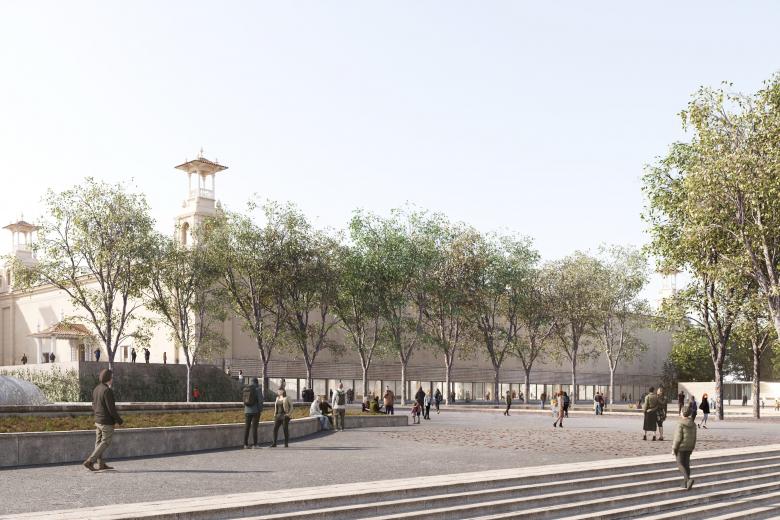
Among its most emblematic buildings is the Teatro del Biobío in the city of Concepción. This performing arts center is characterized by a semi-translucent facade that, at nightfall, transforms the building into a kind of urban lantern radiating a warm glow. Also noteworthy is the expansion of the Chilean Museum of Pre-Columbian Art in Santiago, an intervention that successfully engages with the 18th-century historical architecture through a contemporary and understated design language.

Radić succeeds Chinese architect Liu Jiakun, winner in 2025, Japanese architect Riken Yamamoto (2024) and British architect David Chipperfield (2023) in the list of winners.
A vocation discovered little by little
Radić's path to architecture was not immediate, but rather the result of a gradual process marked by doubts, experiences, and travels. During his childhood, he spent long hours drawing, but it wasn't until he was fourteen that he had his first contact with the discipline, after an art teacher commissioned him to design a building as a school exercise.
His university years were not without their difficulties. In his first year at the Pontifical Catholic University of Chile, he failed his final exam. Far from discouraging him, this setback proved decisive: it led him to delve deeper into the history of architecture at the Istituto Universitario di Architettura di Venezia and to undertake numerous trips. For Radić, this period constituted the true core of his education. As he himself summarizes: “ideas dwell in things.”
International projects and presence in Spain
Radić is currently developing projects in several countries. In Spain, he is involved in the construction of one of the hotel-houses in the Solo Houses project, located in Cretas (Teruel). This initiative brings together leading international artists and features the collaboration of critic and curator Hans Ulrich Obrist in developing the cultural program, as well as landscape architect Bas Smets, who is responsible for a landscape design based on native species.
For this project, Radić works alongside the Spanish architects Miquel Mariné, César Rueda and Beatriz Borque, with whom he develops the architectural proposal.
A diverse and experimental work
Over more than three decades of practice, Radić's work has encompassed cultural institutions, civic spaces, commercial buildings, private residences, and ephemeral installations in countries such as Albania, Austria, Chile, Croatia, France, Italy, Spain, Switzerland, and the United Kingdom.
Among his most outstanding projects are Guatero, presented at the XXII Chile Architecture Biennial (2023); London Sky Bubble (2021); Casa Chanchera (2022); Casa Prisma (2020); the Vik Millahue Winery (2013); the installation The Child Hidden in a Fish, created together with Marcela Correa for the Venice Architecture Biennale of 2010; and the CR House (2003), one of the first works that consolidated his international recognition.
With the Pritzker Prize, Smiljan Radić definitively joins the ranks of architects who have redefined the contemporary landscape. His architecture—poetic, experimental, and deeply connected to its place—demonstrates that even the most seemingly fragile structures can contain a powerful vision of the world.



You may be
interested
...