Exhibitions
The Reus Museum reopens its doors completely renovated after a comprehensive renovation
The exhibition incorporates more than 300 pieces, includes a space dedicated to Antoni Gaudí and highlights the history and art of the city.
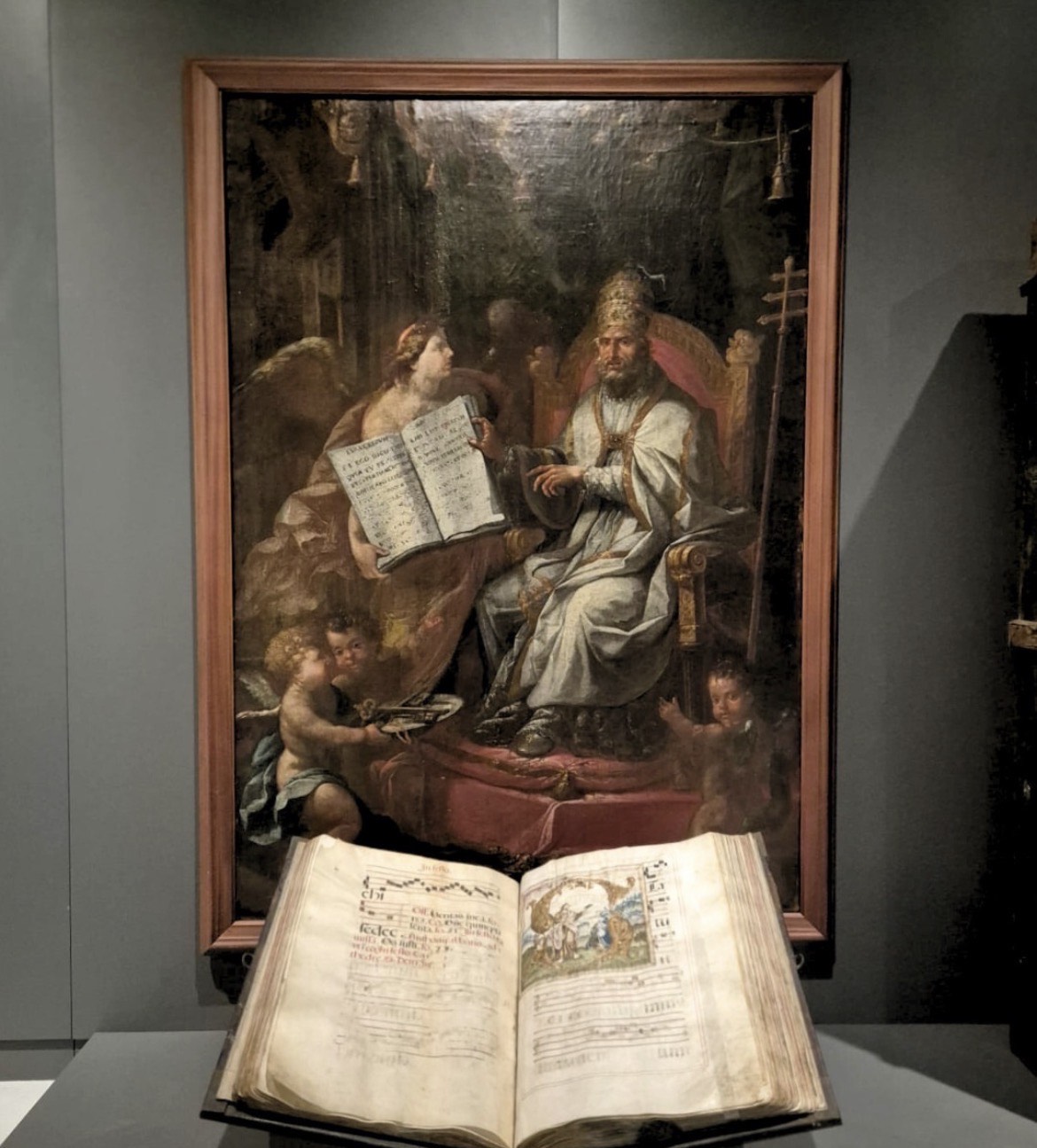
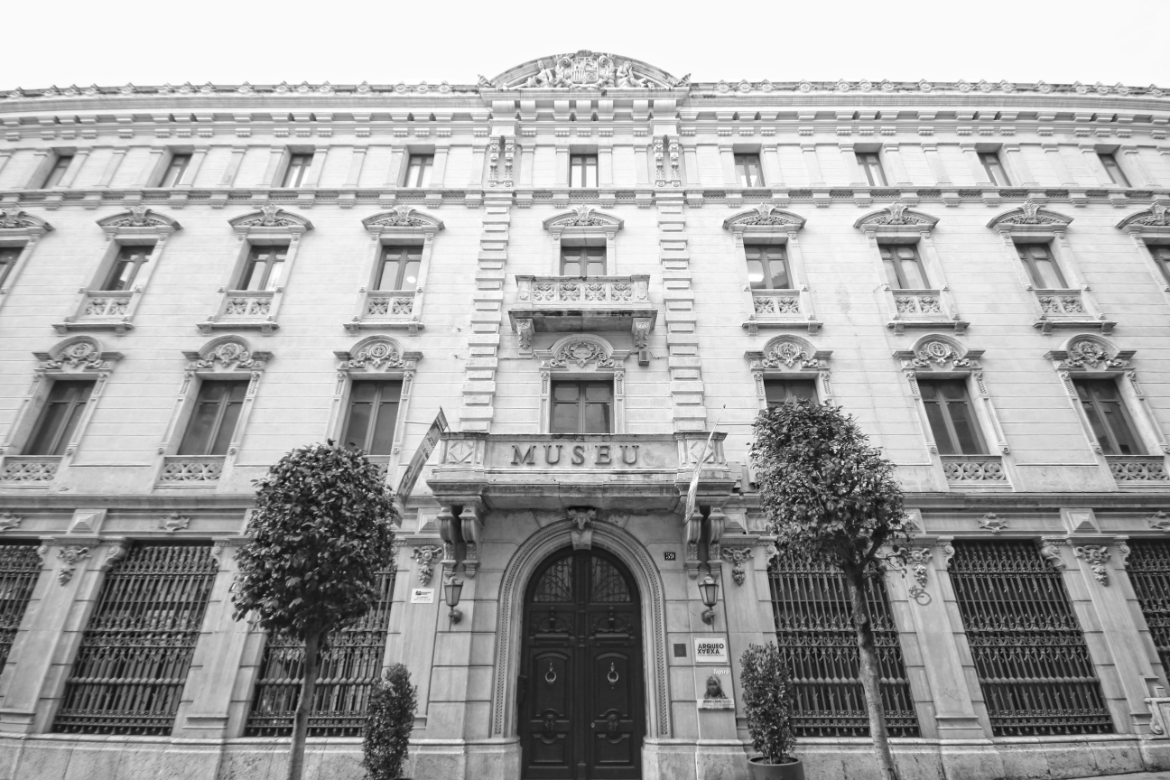
This Friday, January 30th in the afternoon, the Reus Museum will reopen its doors after more than a year of closure for a comprehensive renovation. The facility, located at Plaça de la Llibertat, 13, is completely renovated and rethought, with an updated museographic discourse that highlights the art and history of the city.
The new museum tour combines artistic pieces and historical objects with renewed exhibition stories, designed to make visible the cultural and social evolution of Reus. The reform has improved the accessibility and attractiveness of the space, as well as reemphasizing collections and stories that explain the past and present of the city from a more inclusive and participatory perspective.
The museum is now conceived as a more open, accessible and multi-purpose space, with open-plan rooms. Although the structure is practically complete, work is currently focused on the placement of the pieces, one of the most delicate processes, according to the director of the Reus Museum, Marc Ferran. “We are proud of an exhibition with more than 300 pieces, which will include the most outstanding works from the Museum's collection,” he explained.
The museum stories have been updated to offer new readings and perspectives. The proposal includes a space dedicated to Reus in the 18th and 19th centuries, designed to help understand the city today, as well as a completely renovated festival hall. Specific areas have also been created dedicated to artists linked to Reus —with unpublished pieces— and to work in the countryside.
On the other hand, the new museographic proposal will reserve a prominent space for Antoni Gaudí within the room dedicated to artists linked to Reus. This area aims to highlight the documentary heritage of the universal architect and will include drawings and original documents incorporated into the collection of the Reus Museum in 1933.
“We want to create a space that makes the figure of Antoni Gaudí more visible, beyond the Gaudí Centre that we all know”, said the mayor of Reus, Sandra Guaita. In the same vein, the councillor highlighted that this new space is being opened to coincide with the year commemorating the centenary of the death of the architect from Reus. “Taking advantage of Gaudí Year, we want to give prominence to these pieces that, probably, had not aroused great interest until now”, he added.
On the first floor, the discourse focuses on the role of collecting in enriching collective heritage and on the Museum's work in conserving works, especially during the Civil War. This level also reserves a prominent space for the legacy of Antoni Pedrol i Rius.
You may be
interested
...