Exhibitions
Oriol Maspons and the construction of a modern visual culture at the Academy of Fine Arts
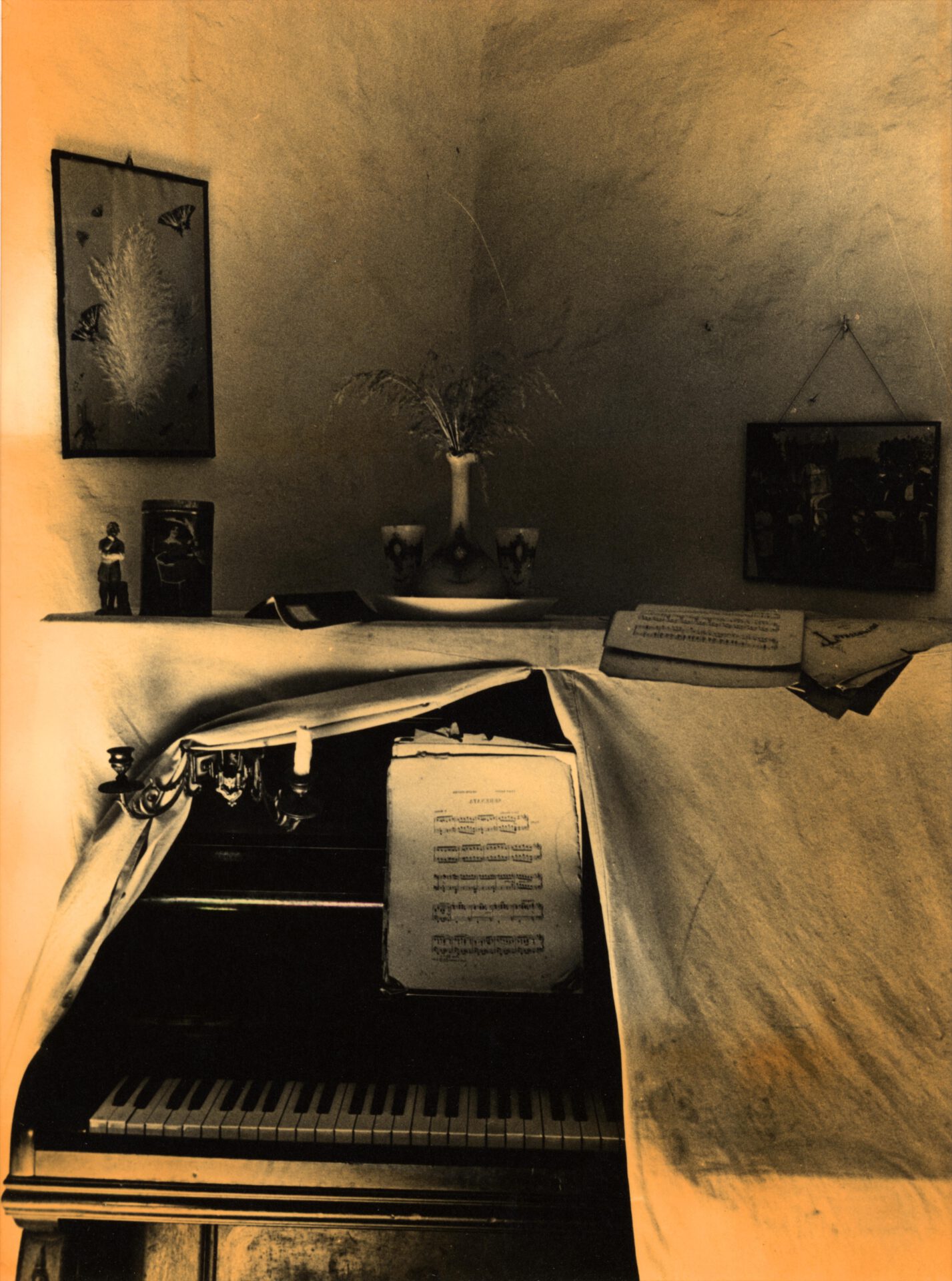
The photography gallery of the Royal Academy of Fine Arts of San Fernando in Madrid presents a carefully curated selection of works by Oriol Maspons from the Academy's collection, accompanied by bibliographic and periodical material from the Pedro Melero / Marisa Llorente collection. Beyond a strictly authorial interpretation, the exhibition explores the contexts in which Maspons's work circulated and was received, highlighting its place within the publishing and media systems of his time.
Open to the public from December 17, 2020, to April 12, 2026, the exhibition is part of the Masters of Photography at the Academy series, of which it is the tenth installment. It features twelve photographs by the Barcelona-born artist, preserved in the institution's collection thanks to the bequest of Fernando Guitarte, a benefactor who left his entire estate to the Academy upon his death in 1978. This core body of work allows Maspons to be placed within an institutional genealogy, while also inviting a reconsideration of his place in the history of Spanish photography.
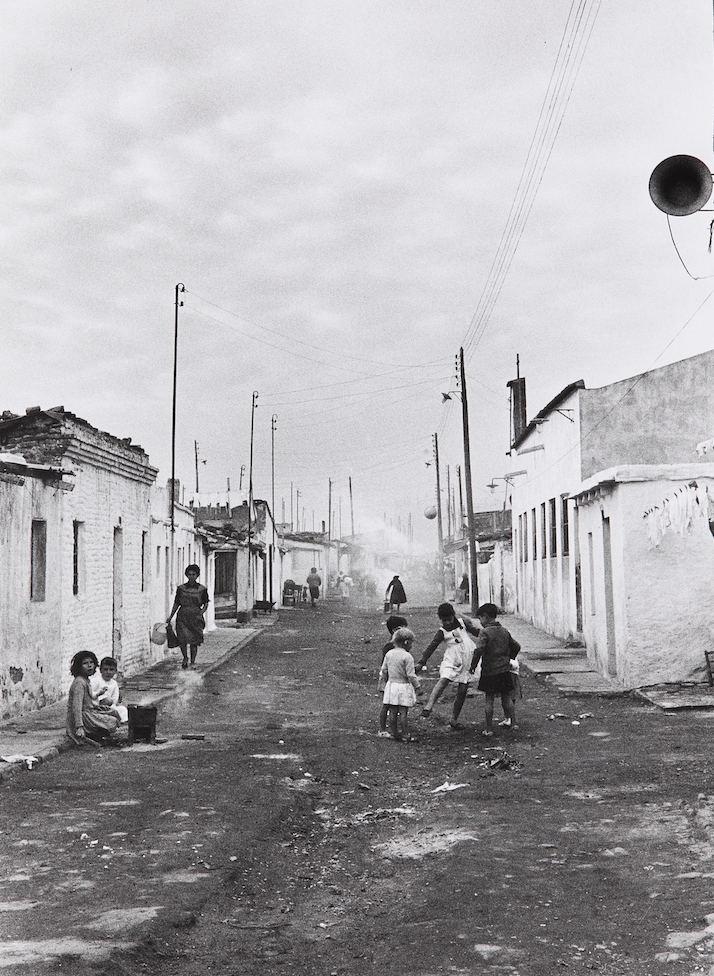
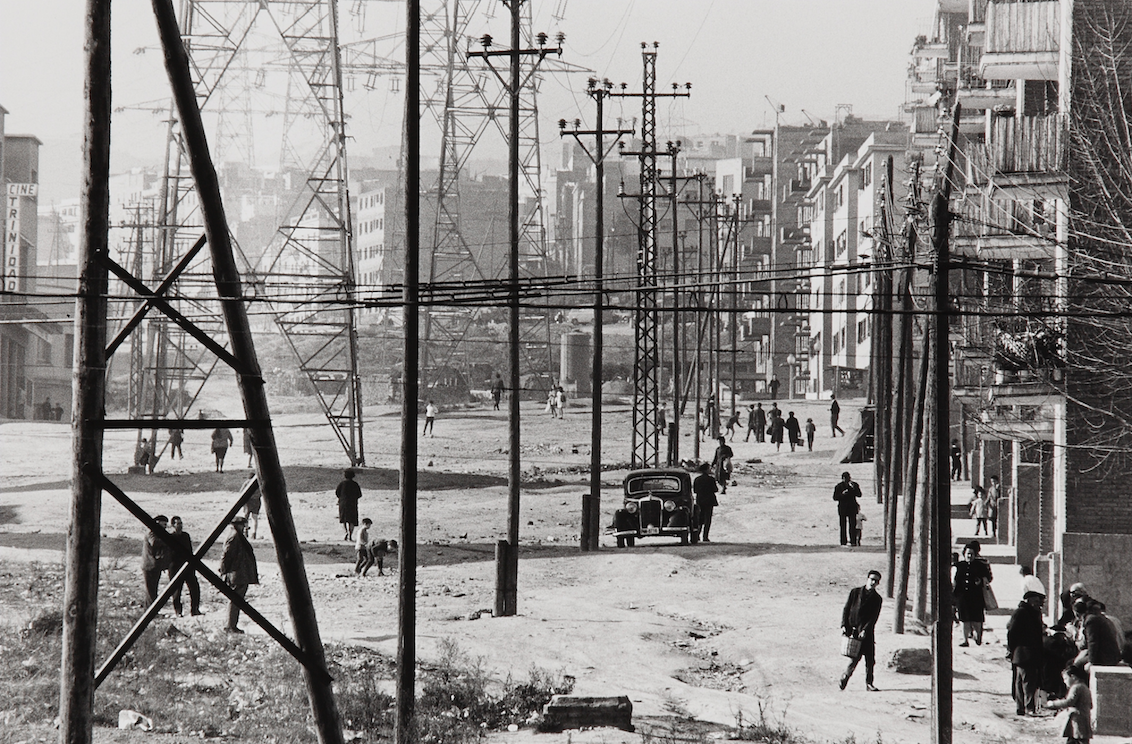
Oriol Maspons, Somorrostro, © The management of the rights to this image corresponds to VEGAP (Visual Entity of Management of Plastic Artists).
Born in Barcelona in 1928 and deceased in 2013, Oriol Maspons was a key figure in the renewal of photographic language during the post-war period. Self-taught and deliberately detached from the academic codes that dominated Spanish photography in the 1950s, he articulated a direct and modern vision, marked by the critical observation of everyday life and by a sensitivity attentive to the social transformations of his surroundings.
His time in Paris from 1955 onwards proved decisive. There he came into contact with the European intellectual scene and collaborated with the Rapho agency, engaging in dialogue with photographers such as Robert Doisneau and Willy Ronis. From this experience emerged a photographic practice akin to humanist reportage, characterized by its closeness to the subject and a desire to intervene in reality—traits that permeate much of his subsequent work.
One of the exhibition's strongest conceptual axes is its focus on the publishing and media context in which Maspons developed a substantial part of his work. The book, magazine, and record covers from the Melero/Llorente collection highlight the intense public circulation of his images and their decisive contribution to shaping the visual landscape of several decades. In this sense, the exhibition shifts the focus from the isolated artwork to the dissemination mechanisms that amplified its cultural reach.
The exhibition includes some of his most significant photobooks—from Caminando por las Hurdes (1962) to L'instant perdut (1995) and Personajes de compañía —as well as now-iconic volumes illustrated by Maspons, including Tiempo de silencio by Luis Martín-Santos and Últimas tardes con Teresa by Juan Marsé, published by Seix Barral. Specialized magazines such as Afal and other less common media, such as record covers and music publications, complete a constellation of materials that demonstrate a body of work not particularly prolific in terms of his own titles, but profoundly influential and decisive in the visual construction of Spanish publishing culture in the second half of the 20th century.

You may be
interested
...