Exhibitions
Rafael Tormo explores the territory through art with IP36
Wild Lands and Swallow's Nests: an installation that combines local clays, memory and environmental care at Lo Pati.
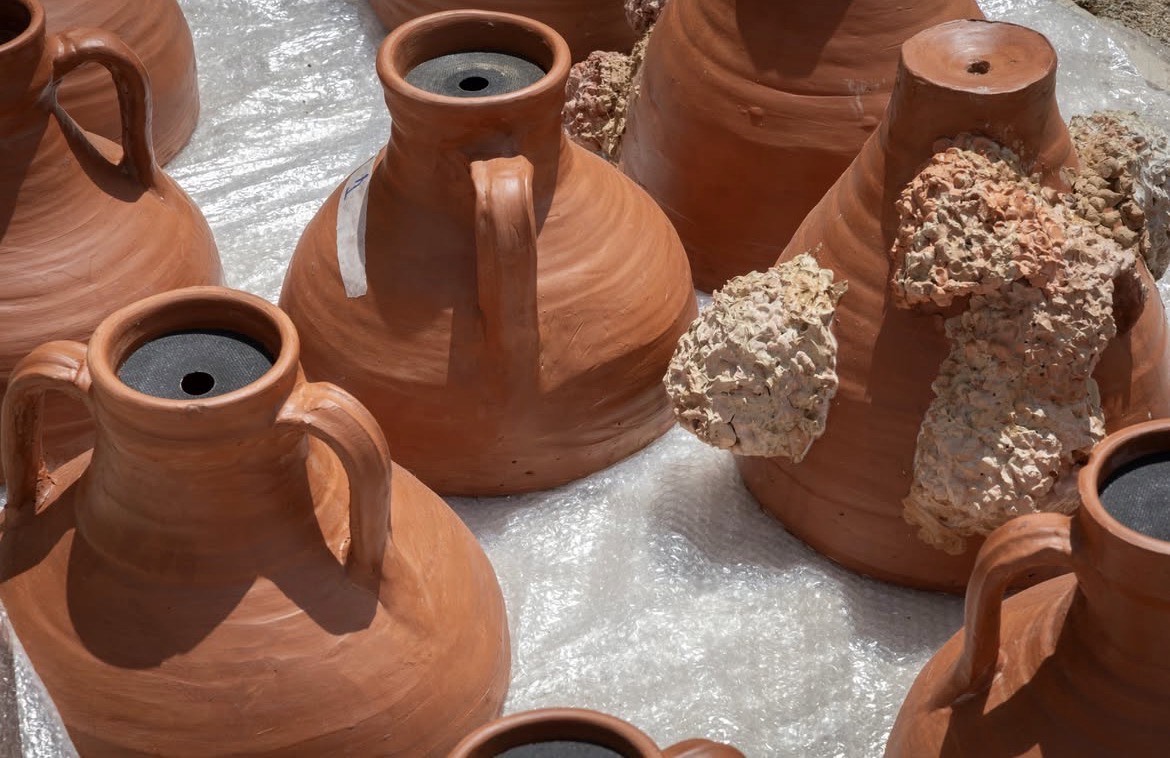
Rafael Tormo presents IP36 at Lo Pati, an exploration of the territory through art. Art offers us a unique perspective to discover and interpret the territory. Through his creations, we can explore landscapes, cities and natural spaces from personal and creative perspectives. Each work becomes an emotional and sensory map that invites us to reflect on the relationship between people and the environment, transforming the way we perceive and experience the places we inhabit.
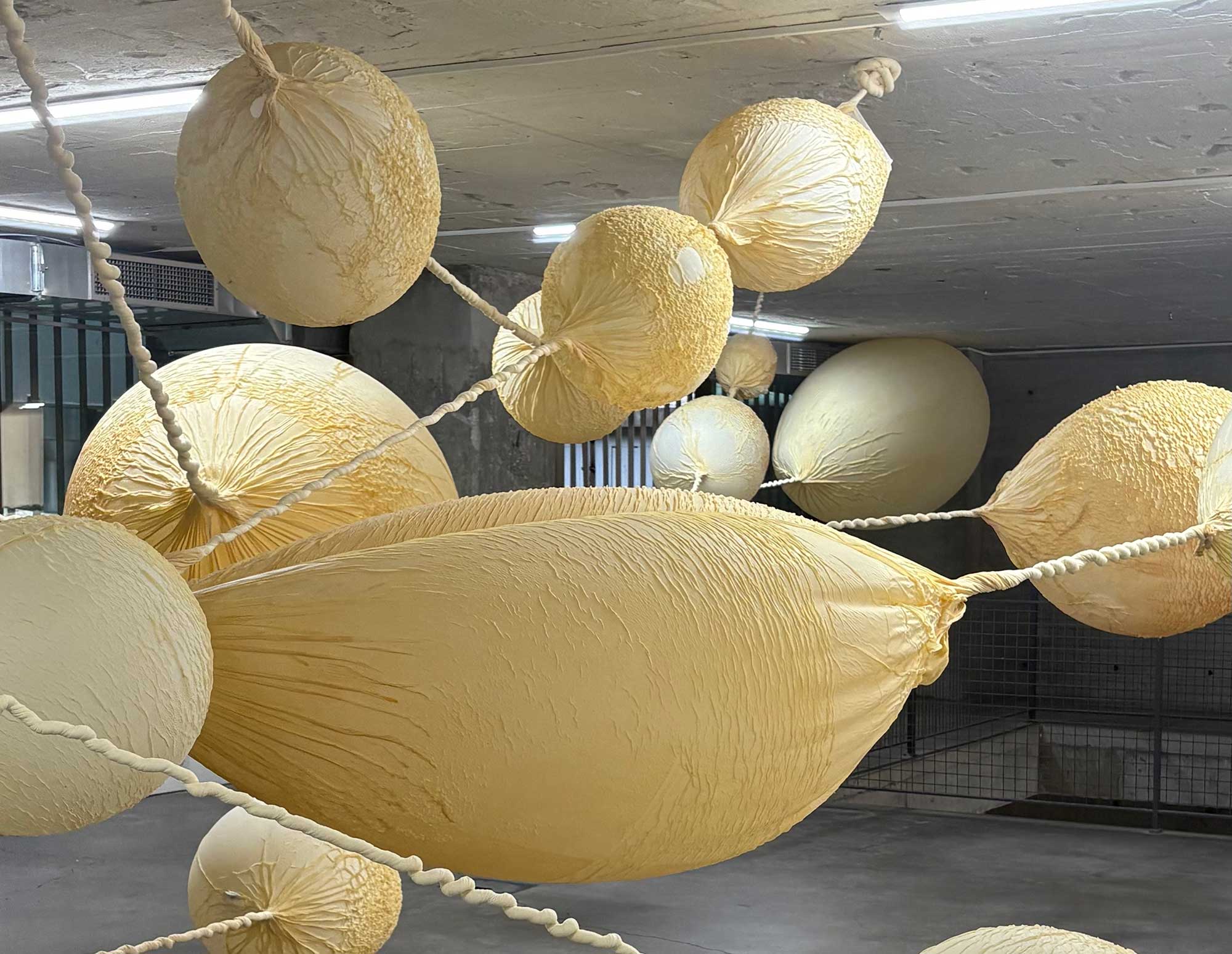
Tormo's project presents an installation that combines ceramic pieces with the recreation of swallow nests. The objects are made with clay collected during a journey of several weeks through the municipalities of Terres de l'Ebre, giving the work a direct connection with the territory and its materials. This fusion between art and nature invites us to explore the relationship between local landscapes, their inhabitants and the forms that the land can offer.
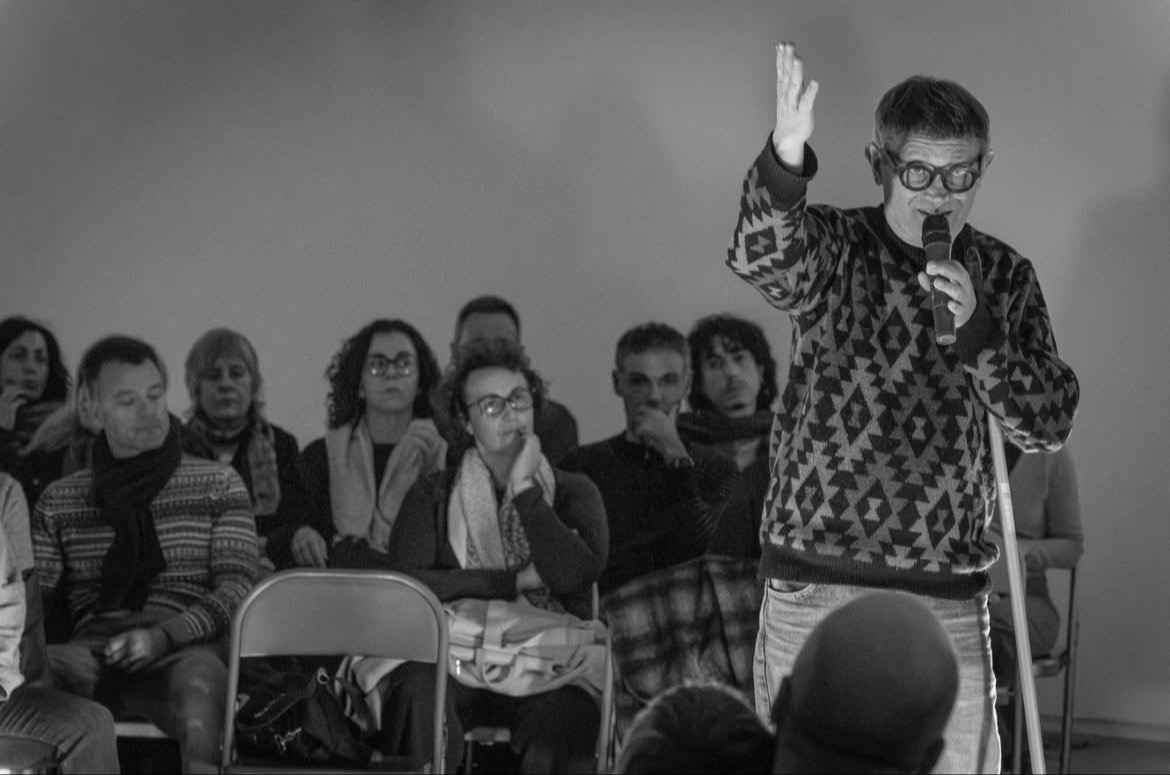
Based on the question “who takes care of the land?”, artist Rafael Tormo conceives IP36 as a poetic and critical drift that explores the representation of the territory. The project unfolds through shared paths, silences and conversations that generate a collective and reflective experience.
The swallow's nests that can be seen on the facade of Lo Pati are made with local clay and bacterial colonies that calcify over time, becoming interspecies devices that speak to us about migrations, shared habitats and bonds that are not based on utility, but on care. The clays transformed into nests are embedded in pitchers turned with commercial clay, revealing the tension between what is sustained and what dissolves, between the local and the global, between the memory of the place and the construction of new meanings.
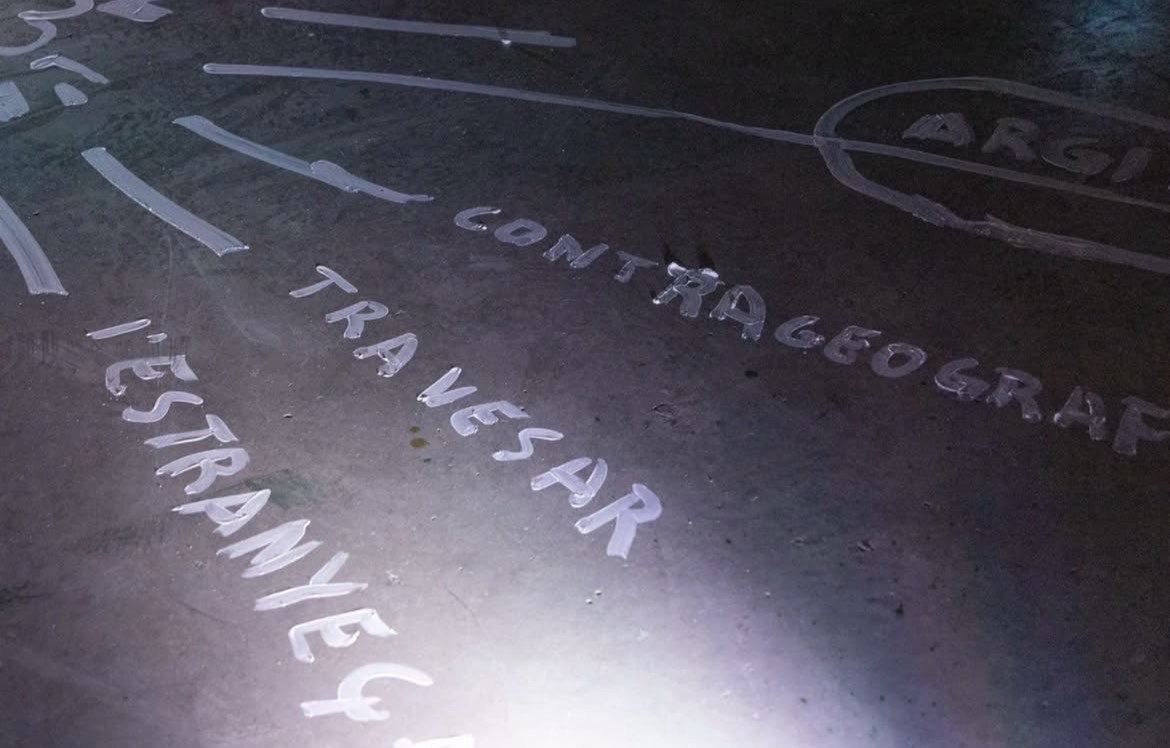
With this work, Tormo invites us to reflect on responsibility towards the territory and the ways in which art can establish dialogues between species, materials and communities.
The Terres Salvatges exhibition will show the raw clays collected from village to village, without any additives or treatment, presented as true living geological bodies. The project will culminate in the first quarter of 2026 with an open day of reflection at the Terres de l'Ebre Museum in Amposta, which will include several interventions focused on the thematic lines that have crossed IP36 .
The third dimension of the exhibition will be the project catalogue, a collective volume that brings together texts, poems, images and materials collected throughout the journey, and that offers a reflection on the different conversations and debates that have emerged during this long-term collaborative process.

You may be
interested
...