Exhibitions
Sanctuaries of memory and resilience: the work of Guadalupe Maravilla
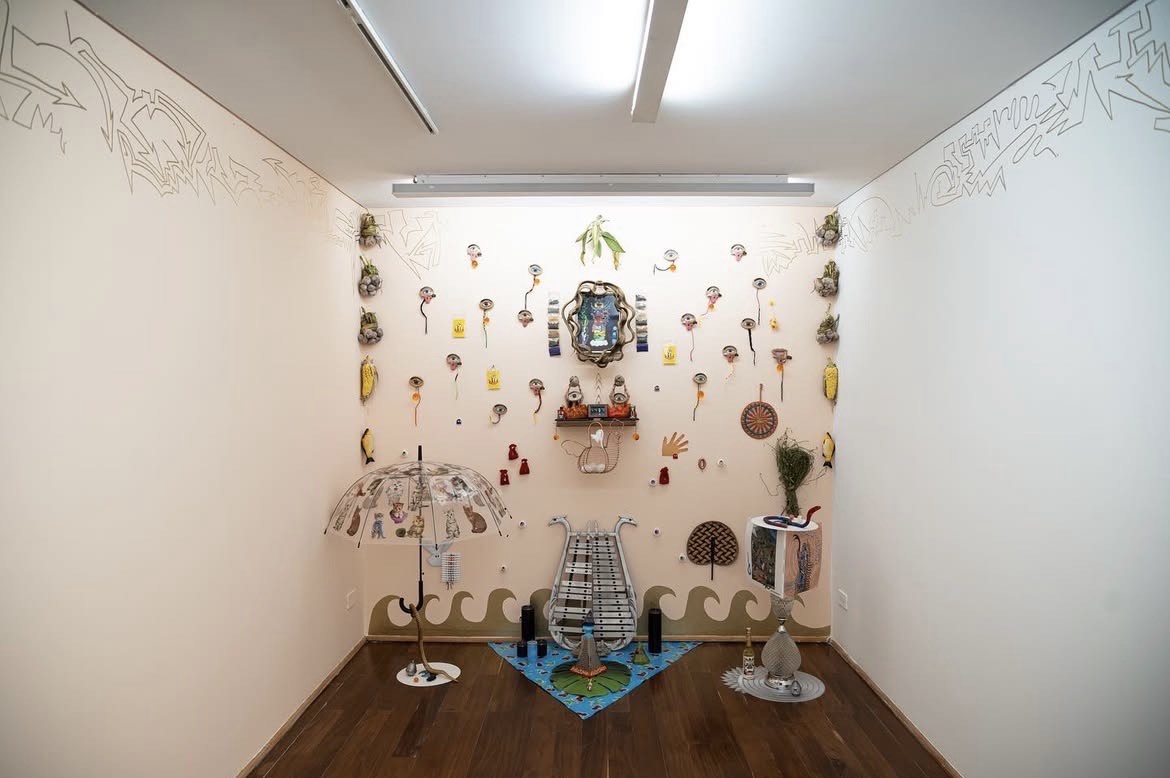
The exhibition "Powerful Grandmothers" arrives at Mor Charpentier in Bogotá, created by Guadalupe Maravilla. Born in El Salvador in 1976, Guadalupe is an artist, humanitarian, and healer. His childhood was marked by the Salvadoran Civil War: at the age of eight, he was part of the first wave of children displaced and separated from their families by violence. In search of refuge, he crossed the border into the United States, the country where he grew up and obtained citizenship in 2006. These experiences have left a decisive mark on his work, where art and healing are intertwined in a symbolic language. Through visual and ritual mythology, Guadalupe transforms his personal history into a collective space of memory, resilience, and transformation.
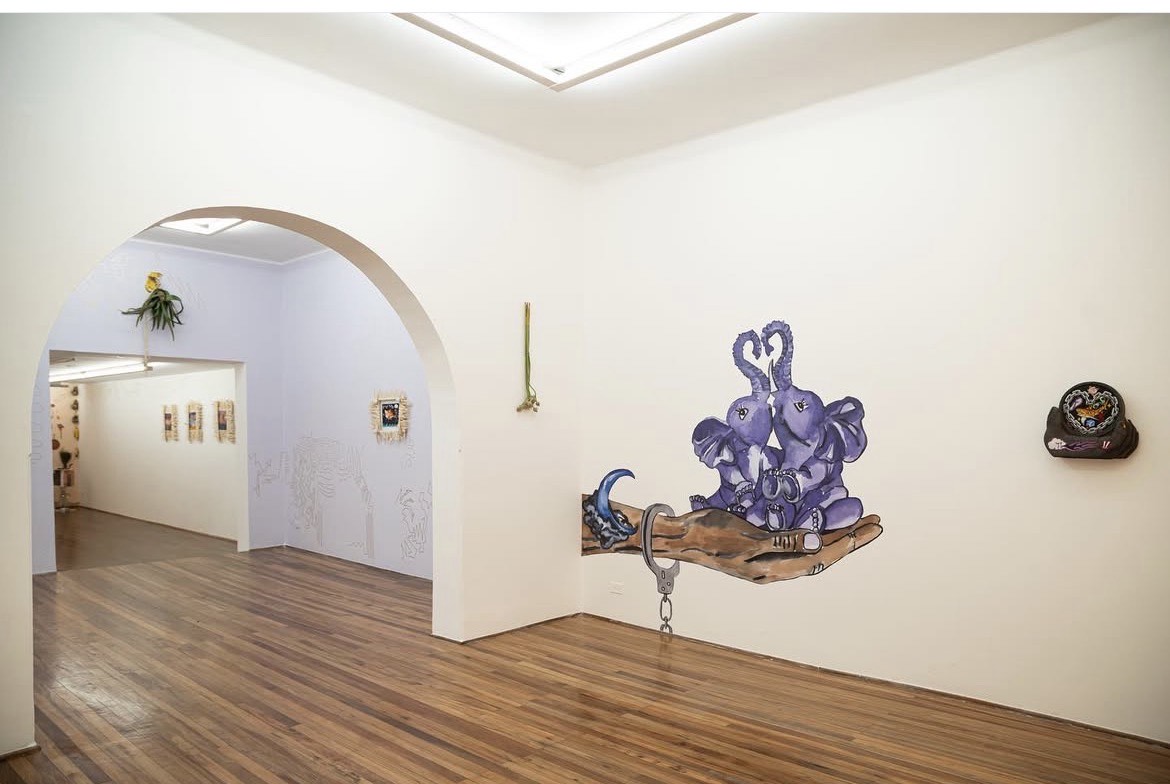
Guadalupe Maravilla's work is characterized by a constant intersection of art, ritual, and healing. Her sculptures, installations, and performances are not only aesthetic pieces but also symbolic and spiritual devices that integrate memory, migration, and resilience. Through elements such as found objects, ritual materials, sounds, and references to her Mesoamerican Indigenous heritage, the artist constructs narratives that connect her personal experience of displacement with collective healing processes.
His style is distinguished by the fusion of languages: he combines sculpture with performance, sound with drawing, and the autobiographical with the communal. In works such as his Disease Throwers, he transforms sculpture into an instrument of healing and a ritual space, proposing an art that goes beyond contemplation to become a shared experience. With this, Maravilla proposes a deeply hybrid style, rooted in historical memory and spirituality, which breaks down the boundaries between contemporary art and ancestral practices.
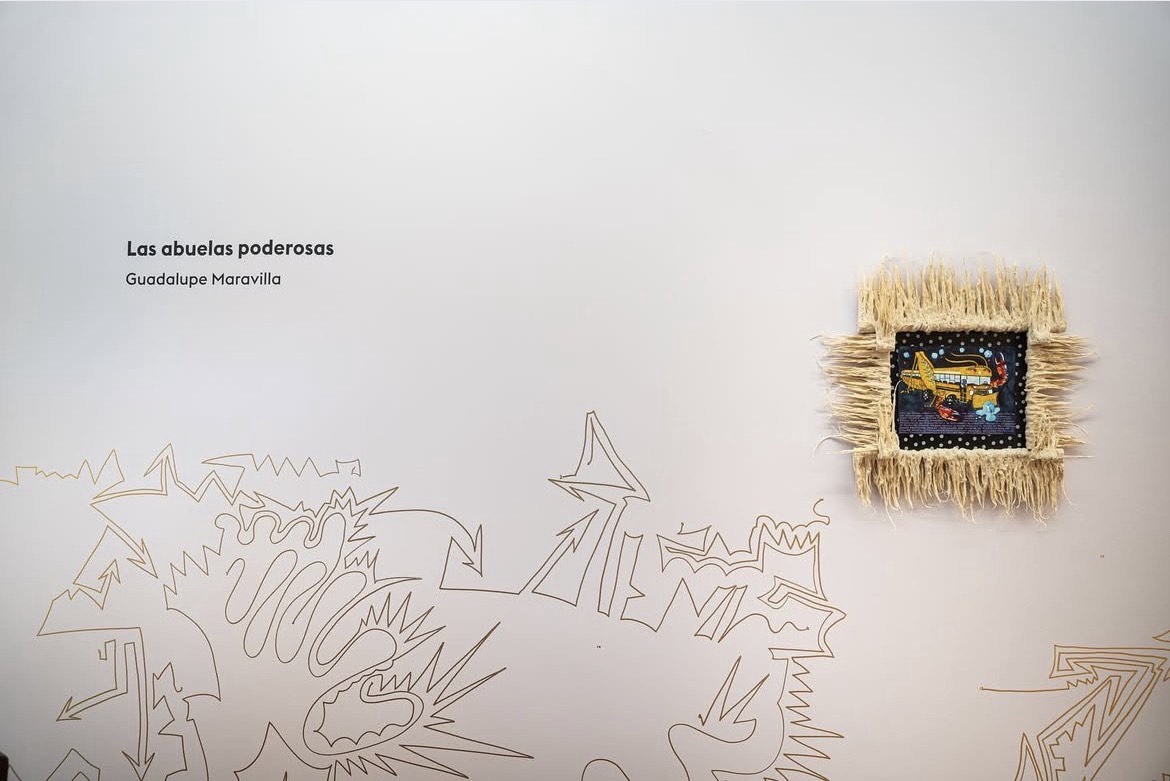
An exhibition on view from September 25th to November 29th, in The Powerful Grandmothers, Guadalupe Maravilla displays a collection of pictorial sanctuaries, volcanic rock sculptures, drawn murals, and altars. Through these works, she addresses three central themes of her life and artistic practice: spirituality, collective healing, and the migratory experience. By interweaving ancestral heritage with contemporary experiences, the pieces transcend their materiality to become ritual instruments of healing, inviting the public into a shared space of memory, resilience, and community.
You may be
interested
...