Exhibitions
The Madonna of Portlligat: Dalí's dreamlike vindication arrives in Figueres for the first time
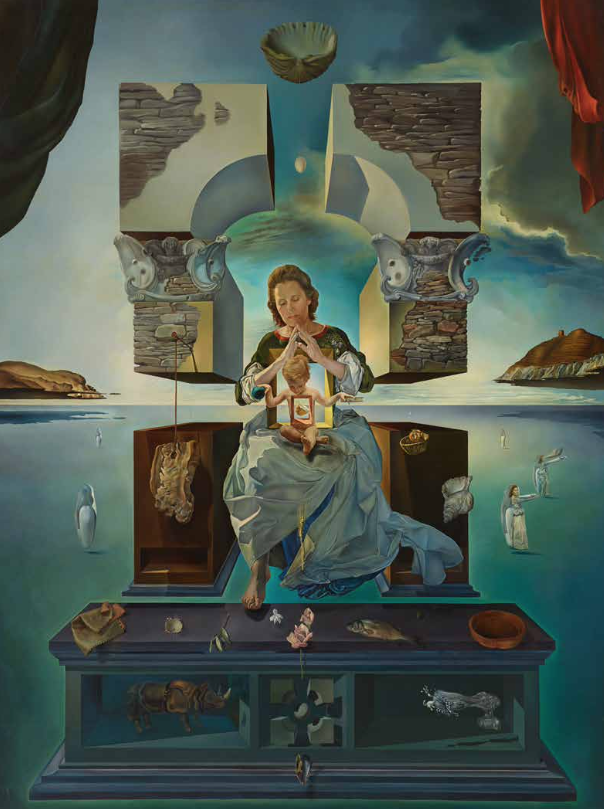
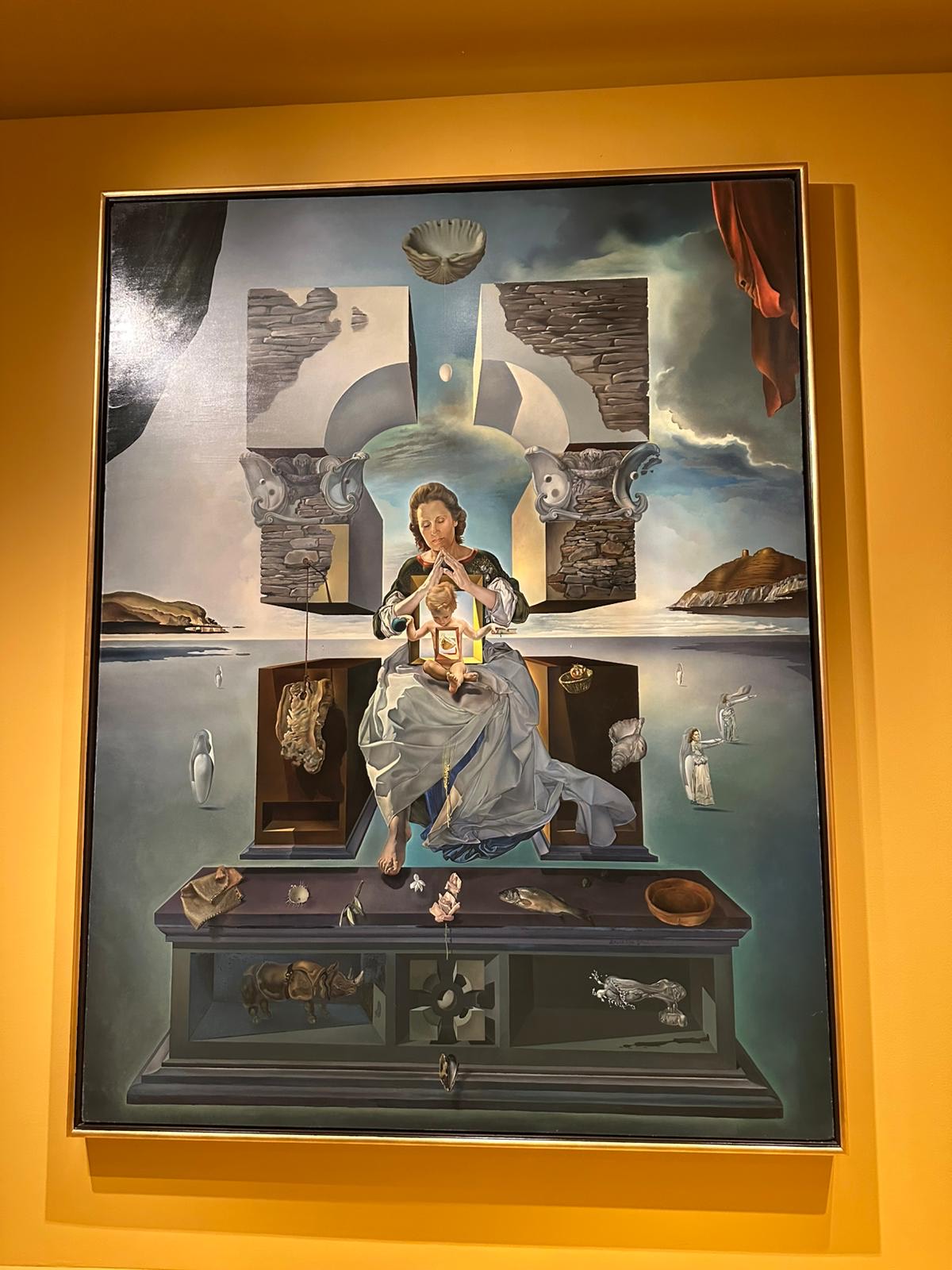
Salvador Dalí defined The Madonna of Portlligat as one of his life manifestos. It was not just a monumental painting, but the epicenter of a new nuclear mysticism destined to reconcile science and religion, past and future, body and spirit. After traveling more than 10,000 kilometers from Fukuoka, Japan, this iconic work now arrives in Figueres for the first time, on display at the Teatre-Museu Dalí from September 17, 2025, to February 22, 2026. This is a historic occasion: the work has not been seen in Catalonia since 1952, when it was part of the First Hispano-American Art Biennial.
The exhibition, curated by Montse Aguer, director of the Dalí Museums, with the collaboration of Rosa Maria Maurell, Lucia Moni, Clàudia Galli, and Maria Carreras, is much more than a simple exhibition. It becomes an immersive journey that explores the multiple meanings of the Madonna: its connection to the Renaissance, atomic symbolism, its dialogue with Gala, and its connection to the Empordà landscape. Through audiovisual resources, educational resources, and specialized publications, the exhibition captures the complexity of a work that encapsulates Dalí's ambition to transcend the boundaries of painting.
The exhibition is marked on the final stretch of the visitor's tour of the Teatre-Museu Dalí in Figueres. In this final space, painted in yellow and blue—the colors of mysticism to which Dalí aspired—the work acquires an unusual visual and intellectual power. Photography, video, and painting intertwine in a showroom that becomes a total experience: a marvel for the eyes and the critical mind.
The itinerary emphasizes the historical context. In 1949, Dalí painted a first, smaller version of the Madonna, which he presented to Pope Pius XII in order to obtain his blessing to marry Gala in the Church. In the summer of 1950, he executed a second, monumental version in Portlligat, marked by his fascination with nuclear physics following Hiroshima and Nagasaki. The work, surrounded by floating elements that symbolize the decomposition of matter, engages in a dialogue with Renaissance classicism and casts Gala in the central role of the Virgin. Dalí would write in his memoirs: “Gala, you are reality.”
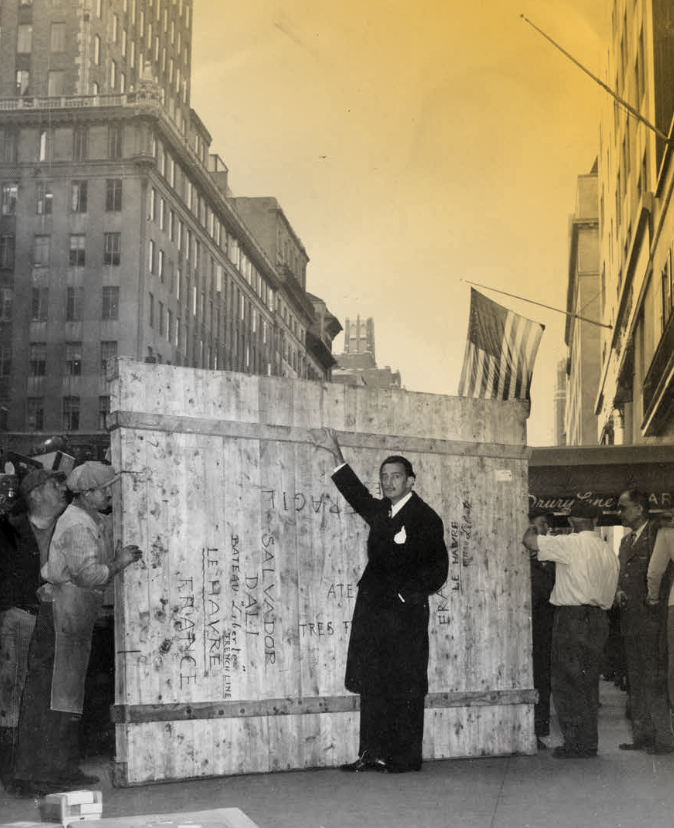
The Madonna's international dimension is equally underscored. In November 1950, it was presented at the Carstairs Gallery in New York in an almost theatrical installation: the canvas, too large to fit through the elevator, was hoisted by ropes from the street to the gallery, under Dalí's own supervision. The scene, immortalized by photographer Mark Kauffman for Life magazine, encapsulates the artist's spectacular nature. The work subsequently toured key international art venues, from Paris to Milan.
The project is not limited to the painting. The Dalí Foundation has published a monographic publication with texts by Montse Aguer, Maria Carreras, Bea Crespo, Clàudia Galli, Rosa M. Maurell, and Lucia Moni, among others, and has created a microsite in four languages with an interactive storymap and a high-resolution viewer. The educational program includes workshops and activities for primary, secondary, and high school students in the arts, in an attempt to transform the Madonna not only into a museum icon, but also into a living pedagogical tool.
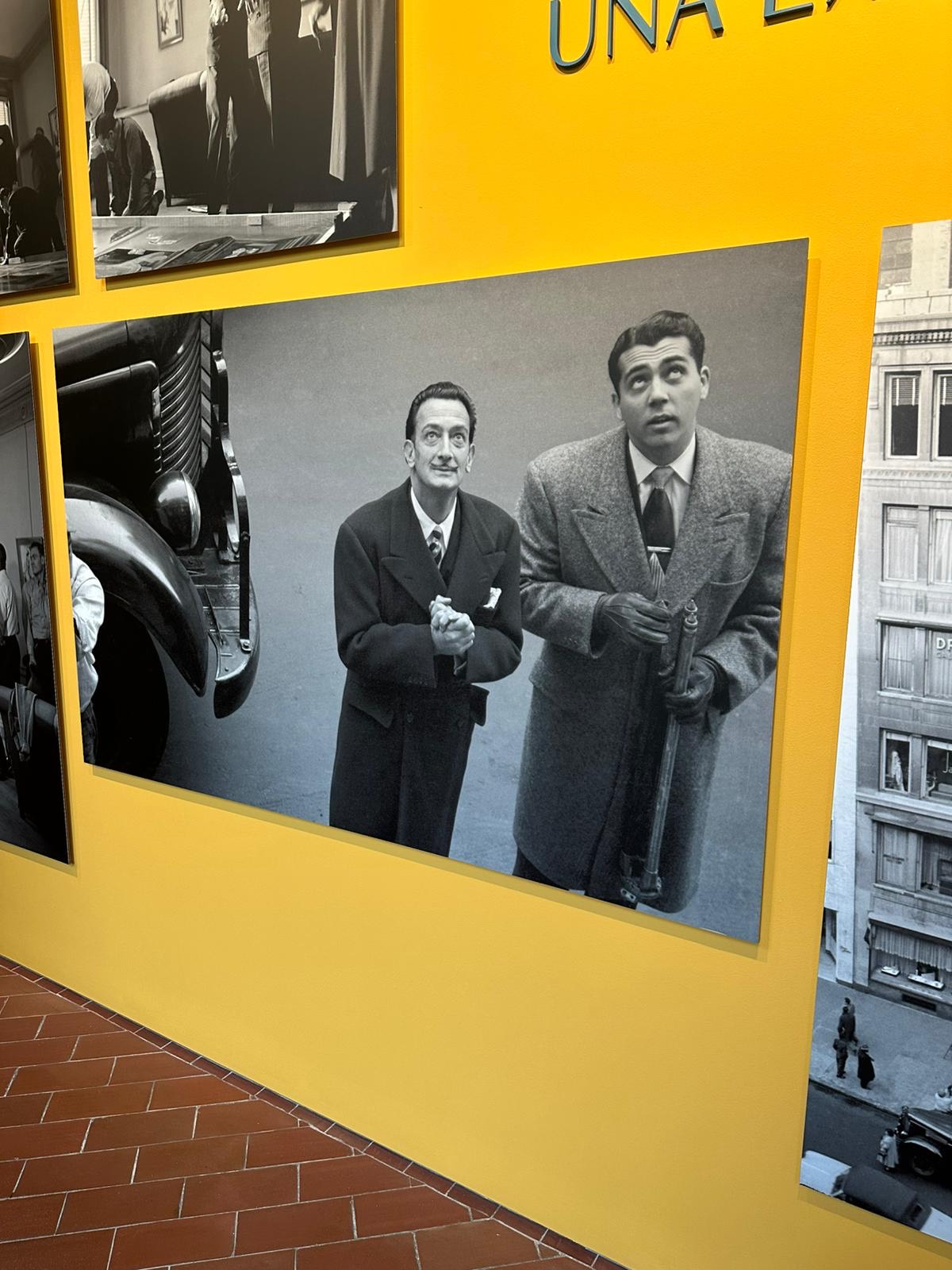
The exhibition also includes a four-minute audiovisual presentation that narrates the work's fascinating journey around the world. Directed by David Pujol and produced by the Dalí Foundation, the audiovisual presentation uses previously unpublished archival material and documents that shed light on the Madonna's international career. The exhibition presents a presentation that not only commemorates the history of a work, but also reactivates it in the present as a symbol of harmony between art, science, and spirituality.
In short, The Madonna of Portlligat. A Dreamlike Explosion is not just an exhibition. It's an act of historical and cultural vindication: bringing to Figueres, to the heart of the Empordà, one of the works that best embodies Dalí's universal ambition. An icon that combines tradition and modernity, mysticism and experimentation, and which today, more than seventy years later, continues to speak to us with the same visionary force.
You may be
interested
...