Exhibitions
The Jas de Bouffan shines again with Cézanne
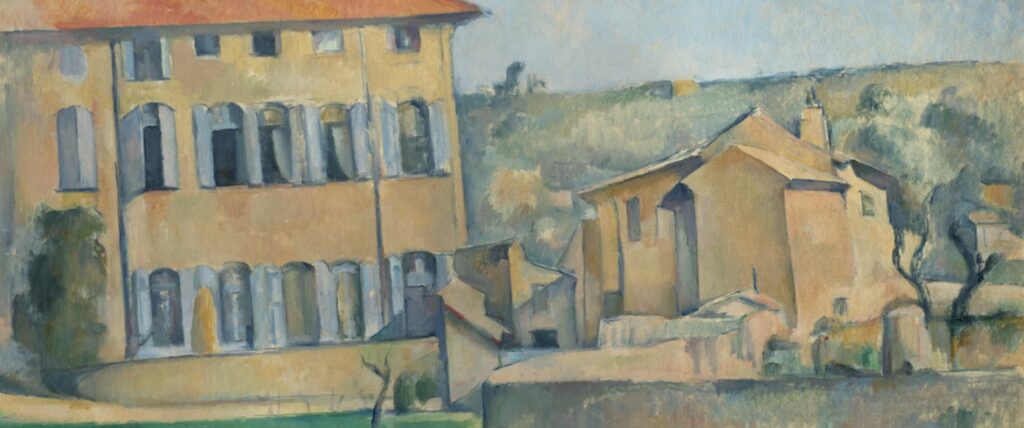
Cézanne was born in Aix-en-Provence and returned to Aix whenever possible. The city was his constant source of inspiration, especially in his later years, when he decided to isolate himself from the hustle and bustle of Paris and focus on his art. Now, Aix-en-Provence pays tribute to the artist with the exhibition Cézanne at the Jas de Bouffan at the Musée Granet, which will be on view until October 12.
This summer, Aix-en-Provence will be transformed into the heart of a vibrant celebration dedicated to Paul Cézanne, the visionary painter born in the city in 1839 and recognized as a key figure in the origins of modern art. Under the name Cézanne 2025 , an ambitious program of cultural activities and exhibitions will unfold throughout the city, aiming to honor the profound bond between the artist and his homeland. The highlight will be a major retrospective at the Musée Granet, which will bring together emblematic works and exceptional pieces, making it a must-see for art lovers.
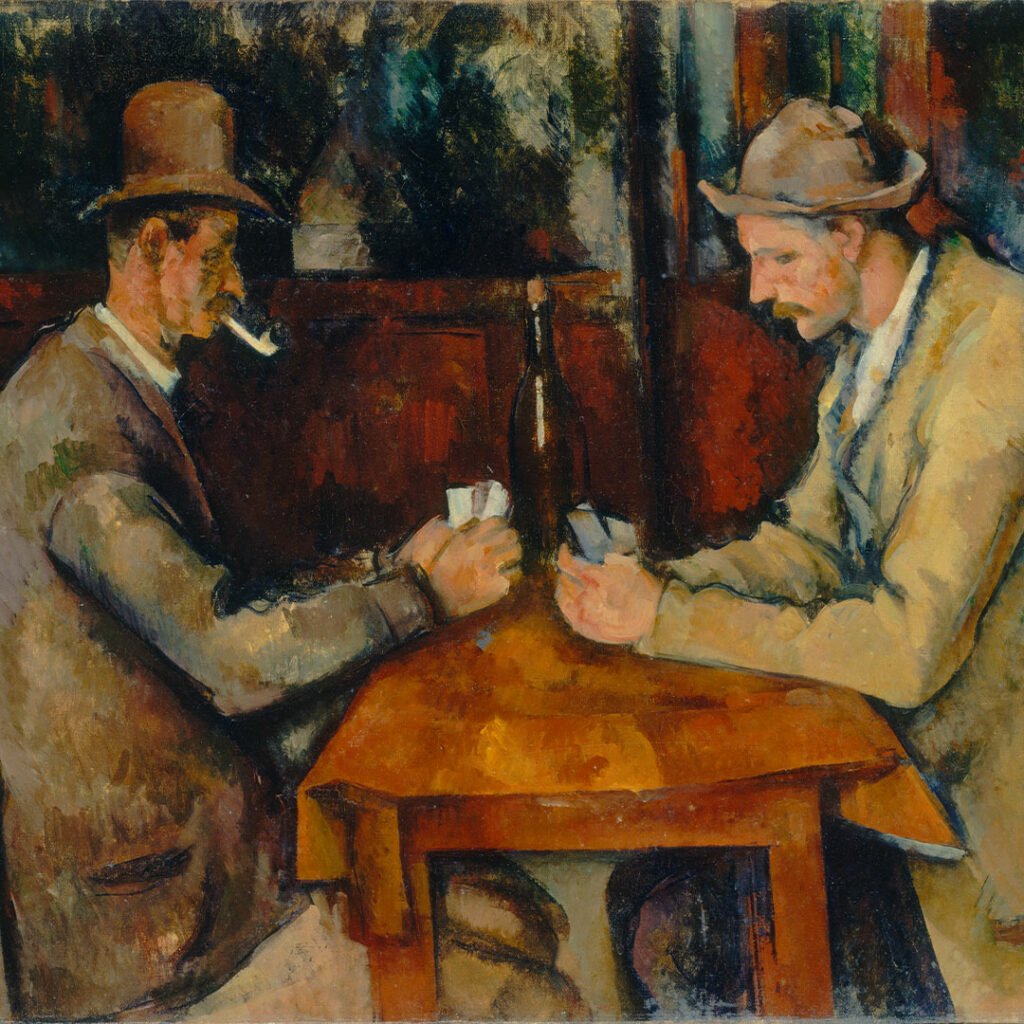
Up to 130 drawings, watercolors, and paintings by the artist come from the Musée d'Orsay, the Montreal Museum of Fine Arts, the National Gallery of Art in Washington, and the National Gallery in Prague. With an investment of €30 million (approximately $35 million), the city is strongly backing this ambitious tribute to Cézanne, which also marks the completion of several key heritage restoration projects. This financial commitment builds on the successful precedent of 2006, when the commemoration of the centenary of the artist's death attracted multitudes of visitors and left an estimated economic impact of €65 million.
The Jas de Bouffan estate played a central role in the life and work of Paul Cézanne, both as a creative space and a source of pictorial inspiration. It has also been the subject of specific exhibitions, such as the one organized under the title "Cézanne at Jas de Bouffan," which examines his relationship with this pivotal location. This space was one of Cézanne's first studios, and it was there that he displayed his talents, creating the estate's gardens and landscapes. Jas de Bouffan inspired works such as The House and Garden of Jas de Bouffan and The Bassin at Jas de Bouffan.
Cézanne remained associated with Jas de Bouffan until the very end of his life. His last model at the estate was the gardener Vallier, a serene figure posed in the setting that so marked the painter. Even a few days before his death, on October 19, 1906, Cézanne still evoked the place: he added a drawing of the park in a letter to his supplier of materials.
Following its recent restoration, the mansion will begin to gradually reopen its doors this summer, inviting the public to rediscover the vestiges of that first intimate sphere—family and artistic—where part of the legacy that would shape the avant-garde movements of the 20th century was forged.
From Aix-en-Provence, the Sainte-Victoire mountain rises majestically, like a great stone altar surrounded by extensive vineyards and olive groves. Paul Cézanne portrayed it more than eighty times, each time exploring a more subtle palette and reducing its forms to essential geometric planes. This emblematic formation of the Provençal landscape, which he had known since childhood, became a fixed point of reference for him, a constant challenge that allowed him to define and transform his artistic style. He viewed the mountain as a fleeting enigma. He shared this interest with his friend, the poet Joachim Gasquet, to whom he confessed: "I feel the need to understand its geology, how Sainte-Victoire sits, what the natural tone of its lands is, and all of this moves me. I have noticed that its shadow is convex, as if inflated..."
Paul Cézanne's art is fundamental because it marks a crucial turning point in the history of modern art. He bridged the gap between Impressionism and Cubism, innovating in the representation of space and form, and constantly seeking visual truth. He directly influenced the art of the 20th century, and his work paved the way for modern art, inspiring generations of artists and establishing a dialogue between tradition and innovation. He is considered one of the founding fathers of modern art for his role in transforming figurative painting into new forms of expression. Cézanne developed a unique style, with a highly personal technique that combined rigor and freedom.


You may be
interested
...