
Exhibitions
Joan Fontcuberta: history of monsters
A questioning of techno-scientific culture through monstrosity and imagination at Tabakalera.
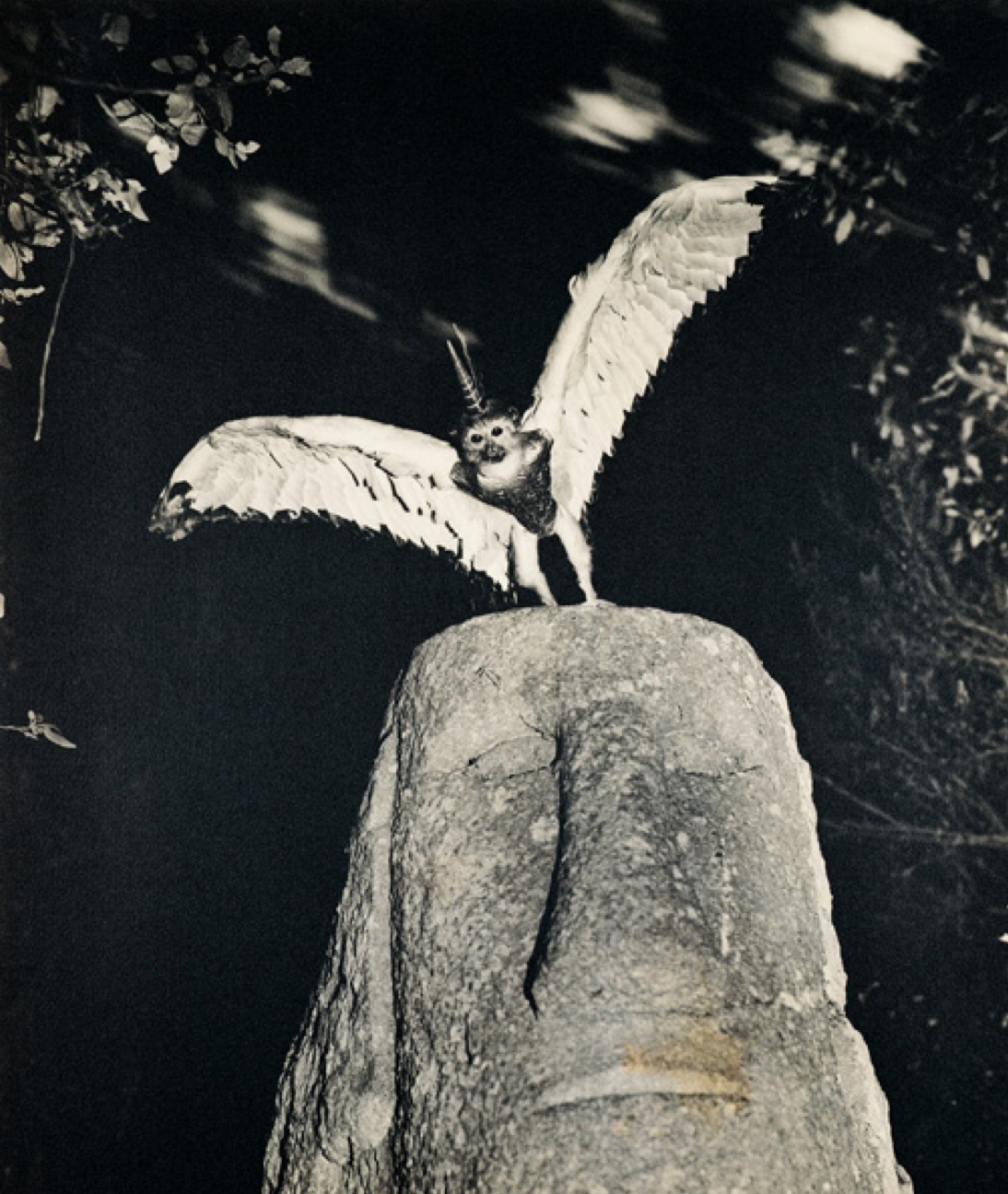
The Artegunea room of Kutxa Fundazioa in San Sebastià hosts the exhibition Monstrorum Historia, a proposal by Joan Fontcuberta (Barcelona, 1955), an artist and image theorist internationally recognized for his way of questioning the role of photography in the construction of knowledge.
The exhibition, open until the end of June, presents four series that question absolute trust in the image as objective testimony and demonstrate a critical view of techno-scientific culture. Fontcuberta uses the figure of the monster as a metaphor to reveal the cracks in traditional systems of knowledge and, at the same time, to claim invention and intellectual play as spaces of resistance. His work thus becomes a field of exploration that questions the historical authority of photography in validating scientific, political or cultural truths. The exhibition is inspired by the book Monstrorum historia by Ulisse Aldrovandi, an Italian naturalist from the 17th century, which collected creatures considered aberrant by the science of his time. This compendium, halfway between rigor and fantasy, serves as a starting point for a contemporary dialogue on the construction of knowledge and on how what is excluded by established norms can offer new ways of interpreting the world.
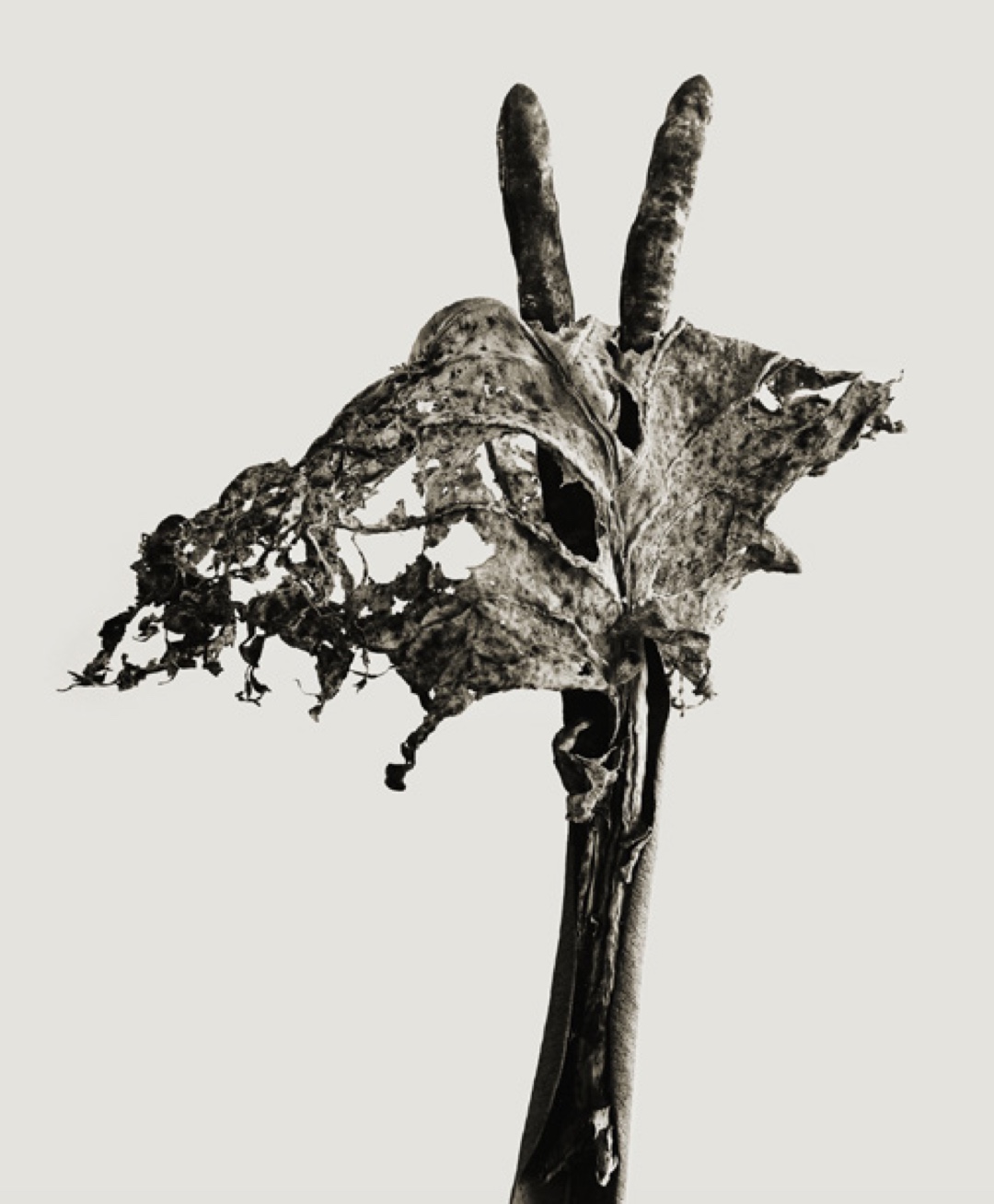 Dendrita victoriosa, de la sèrie Herbarium, Joan Fontcuberta (1982). Kutxa Fundazioa
Among the series on display, Fauna is the result of the supposed discovery of the archive of naturalist Peter Ameisenhauhen, which Fontcuberta and Pere Formiguera found by chance during a holiday in Scotland. This material, in the style of the ancients, includes photographs, field drawings, maps, handwritten notes, sound recordings and dissected specimens of species never before documented. In What Darwin Missed, Fontcuberta takes up the story of the famous Beagle expedition and explores the Galapagos Islands almost two centuries after Darwin's visit. Through the photography of corals that went unnoticed by the British naturalist, such as Cryptocnidaria, a recently discovered species, the artist opens up a reflection on the limits of knowledge and on everything that we still have to discover.
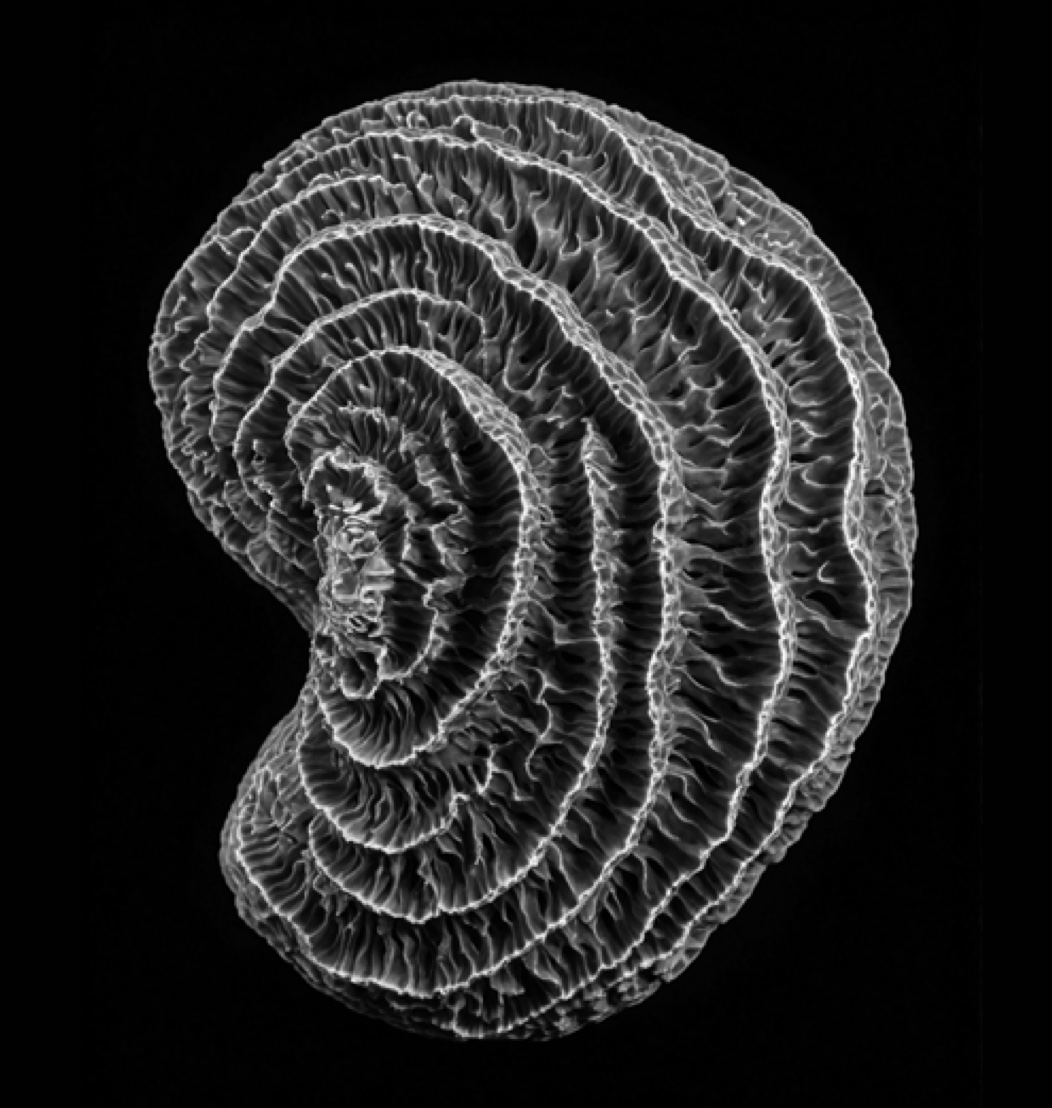 Montipora aequituberculata, de la sèrie What Darwin Missed, Joan Fontcuberta (2024). Kutxa Fundazioa
Herbarium, inspired by the work of Karl Blossfeldt, presents a set of images that document surprisingly eccentric plant forms, evoking the taxonomic tradition and the photographic avant-garde. In contrast, eHerbarium reinterprets these images through generative visualization algorithms, where nature is transformed through technological intervention and suggests a dialogue between the past and present of the scientific image. Finally, HeghDI' vem ghaH, tu'lu' Dinosaur delves into science fiction, connecting the Star Trek universe with a delusional hypothesis according to which dinosaurs would have been pets of the Klingons, one of the races that disputed the dominance of the galaxy with humans.
The tour, curated by Sonia Berger , guides us through the artist's creative evolution, from his analog production of the 1980s to his most recent works, co-created with artificial intelligence. At a time when the proliferation of AI-generated images reopens the debate on the credibility of photography, Monstrorum Historia presents itself as an essential reflection on the construction of knowledge and the fragility of the visual certainties that surround us.
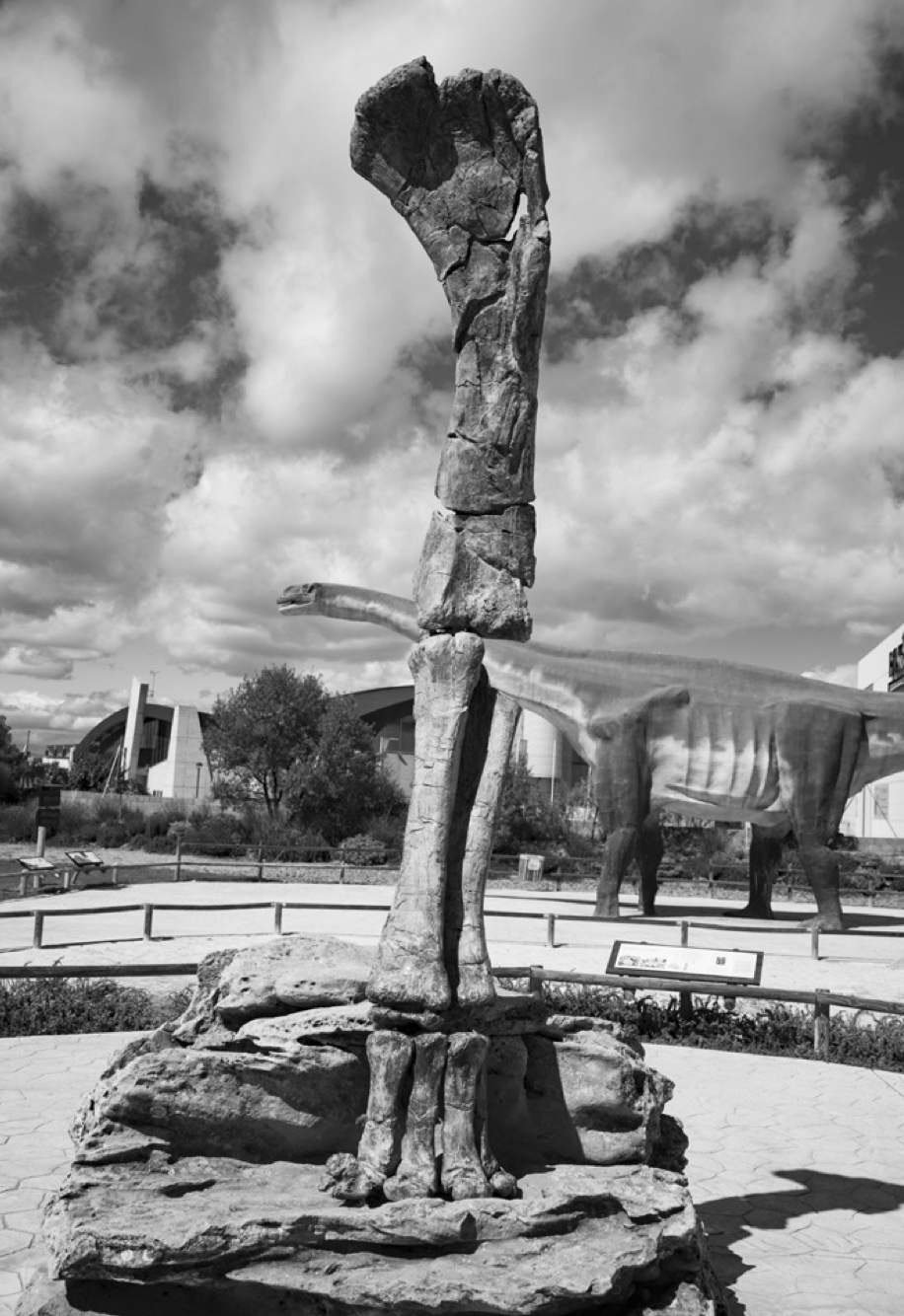 Dinópolis, Teruel, de la sèrie Dinosaur, Joan Fontcuberta (2020). Kutxa Fundazioa

You may be
interested
...