interviews
Interview with Lucrecia Piedrahíta: "Medellín and Colombia have a powerful and turbulent artistic history"
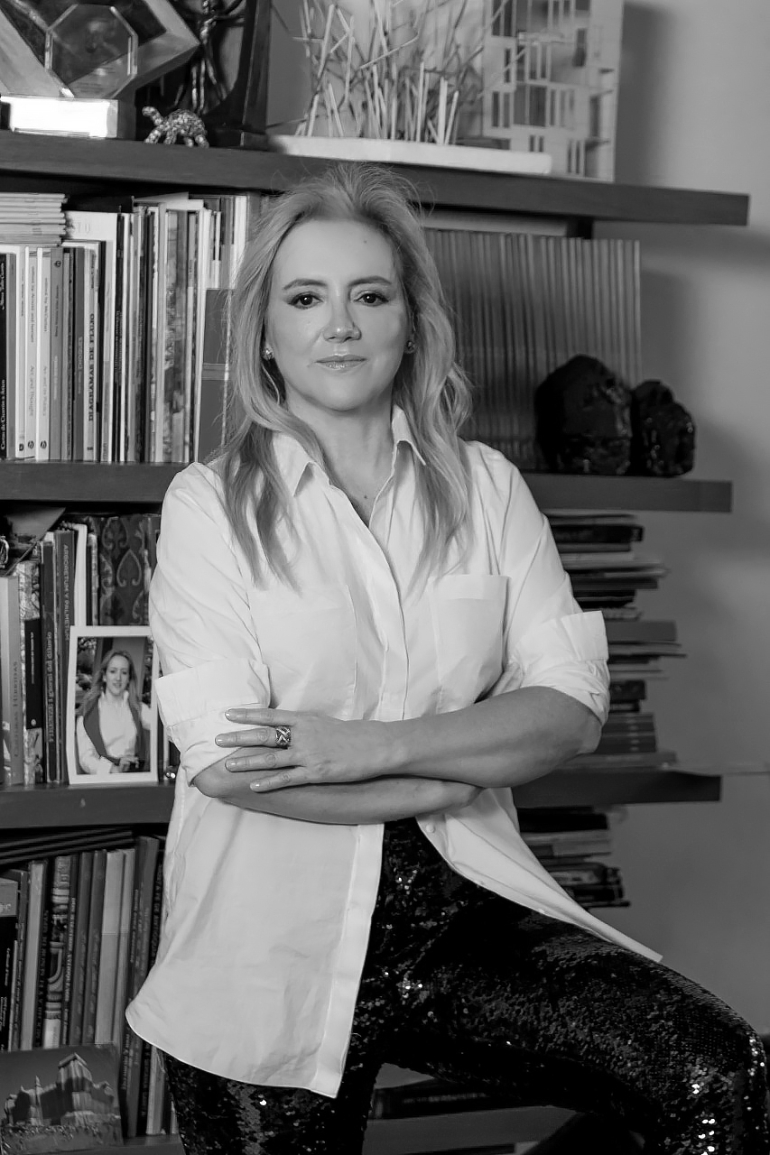
An architect, museographer, and art curator with a background in urban journalism, political studies, and critical theory, Lucrecia Piedrahíta has taught at various national and international universities, contributing to the development of art and the city through academia and cultural management.
Why did they schedule the dates of the Medellín Biennial to coincide with that of Bogotá?
The overlap in dates is primarily due to economies of scale, which are essential for any serious project today; coordinating schedules facilitates cultural exchange between cities. It's also worth noting that the Medellín Biennial was the first of its kind in the country.
How does this new biennial relate to the artistic history of Medellín and to the legacy of previous Latin American biennials?
Medellín and Colombia have a powerful and turbulent artistic history, with important figures such as Débora Arango, Fernando Botero, Beatriz González, Olga de Amaral, Feliza Bursztyn, Doris Salcedo... The biennial recovers that legacy and updates the spirit of the first Latin American biennials.
What kind of dialogue does the biennial seek to generate between artists, curators, and local and international institutions?
A horizontal dialogue where artists from Medellín like Alejandro Tobón converse with artists from other countries... We want real and sustained connections.
How have the curatorial themes been established for this first edition?
Three words: memory, city, and future. Each section breathes these themes without rigidity, seeking conceptual diversity.
In Latin America, many biennials have faced the challenge of sustainability. How is sustainability being projected?
Combining public, private, and community efforts. Symbolic sustainability is guaranteed by the artists.
What role does contemporary Colombian art play within this international structure?
Colombian art increasingly boasts leading artists with critical, sensitive, and radical voices that are essential to the international scene. From Doris Salcedo and Clemencia Echeverri to Ana María Millán, the country engages in global debates.
How do emerging communities and artists connect with the biennial?
With local mediators, workshops, and residencies. We don't want a biennial locked away in white rooms.
How important is it for you to think about a biennial from Medellín at this time?
It is both a privilege and a responsibility. Medellín has been redefining itself for years, with culture as a differentiating factor, and, moreover, the biennial raises questions that politics cannot or sometimes avoids asking.
If I had to define the spirit of this biennial in one sentence...
A biennial that looks at the world with the same intensity with which Medellín learns to look at itself.

You may be
interested
...