Opinion
Prada Marfa turns 20: A ghost shop that conquered the art world
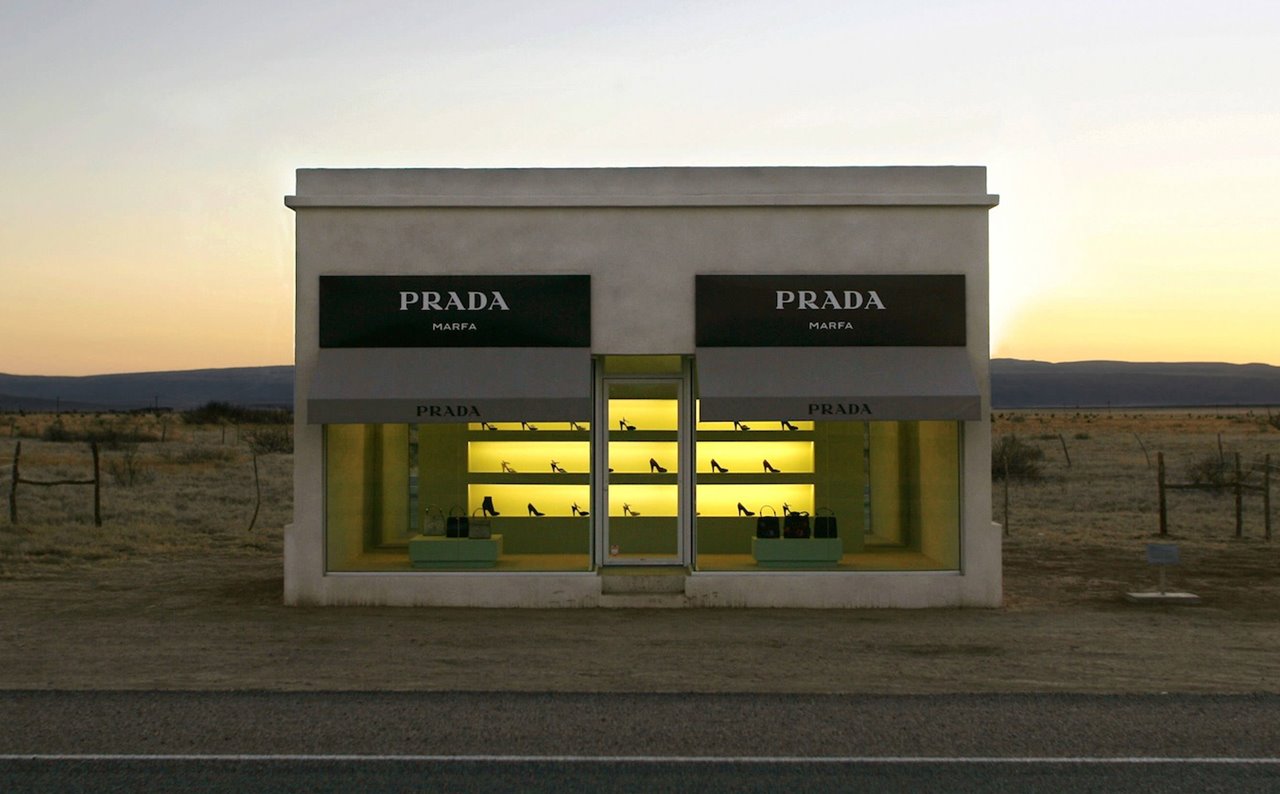
When I visited Marfa last May for the Marfa Invitational, I made the short trip to Valentine, Texas, where Prada Marfa has stood for two decades. At first glance, it looks like a pristine Prada boutique, with shoes and handbags carefully displayed behind a glass window. But there's one crucial detail: the doors will never open. Prada Marfa has never sold a single thing—and yet it has become one of the most legendary works of contemporary art.
Prada Marfa, created in 2005 by the artistic duo Elmgreen & Dragset , was conceived as a critique of consumerism and gentrification. The artists filled it with 20 pairs of shoes and six handbags from Prada's Fall/Winter 2005 collection, and then sealed the building. Their idea was that the desert would gradually reclaim the structure—what they described as the "creative and generative potential of decay." It was never intended to last.
Three days after its opening in 2005, Prada Marfa was vandalized. The walls were covered in graffiti, the door ripped off its hinges, and the contents stolen. At first, it seemed the installation would immediately collapse into ruin—fulfilling the artists' intention for it to vanish into the desert. But something unexpected happened: the community and Prada itself intervened. The stolen items were replaced with altered versions—handbags with cut-out bottoms and shoes all for the left foot, impossible to resell. What was destined to be a decaying boutique was transformed into something else: a store that was never a store, preserved and cared for like a cultural relic.
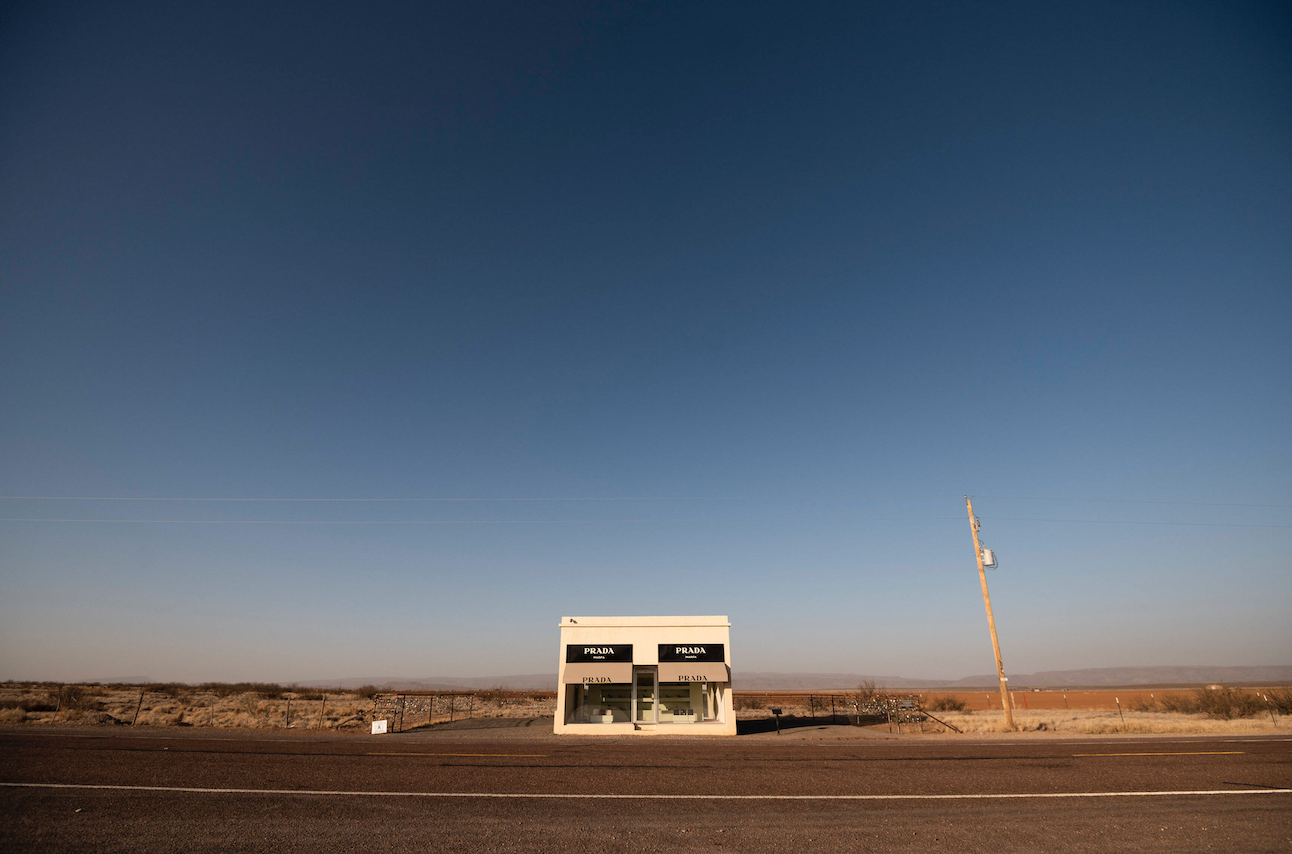
That tension is part of its appeal. A permanent ruin, a desert boutique that sells nothing, transformed into a sanctuary for art lovers, fashion devotees, and curious tourists. Prada Marfa has entered popular culture—from the famous photograph of Beyoncé jumping in front of it, to an episode of The Simpsons, to Gossip Girl. It is endlessly photographed and shared, a symbol of both exclusivity and accessibility. It speaks to people who may never have set foot in a gallery.
But Prada Marfa isn't the only reason people make the pilgrimage to this remote corner of Texas. Marfa itself is a unique constellation of art, mystery, and landscape. The famous Marfa Lights, strange glowing orbs that appear on the horizon at night, remind visitors that the desert holds its own inexplicable magic. That sense of wonder directly fuels the art scene that has flourished there for decades.
Donald Judd understood this when he moved to Marfa in the 1970s, founding the Chinati Foundation and filling former military barracks with his monumental minimalist works. His vision was not art as a commodity, but art as an experience—inseparable from its surroundings. To see a Judd installation in Marfa is to feel how art can shape the landscape and be shaped by it.
That legacy continues with the Marfa Invitational, which I had the privilege of attending this year. It brings together galleries, collectors, and artists in a setting that feels refreshingly intimate compared to the frenetic pace of international art fairs. In Marfa, art breathes. Conversations feel more grounded. The desert imposes a slower rhythm, granting both artists and viewers space to reflect.
Prada Marfa, the Judd Foundation, the Marfa Invitational—together, they embody why it is so important to preserve and protect independent arts institutions. In an era where much of the art world is driven by spectacle, money, and market forces, Marfa offers a reminder that art can still be art: made for people, for experience, for pure vision.
When I came face to face with Prada Marfa, I thought about how it was supposed to disappear. Instead, it has endured, precisely because there were those who cared enough to keep it alive. That paradox reflects a deeper truth about art: it doesn't survive solely on money, but on attention, engagement, and a community willing to protect it.
Marfa itself is proof of this. A small desert town with fewer than 2,000 inhabitants has become one of the world's most important art destinations, not through commerce but through conviction. Here, art is not just exhibited, it is lived, integrated into the landscape, and becomes part of the daily rhythm.
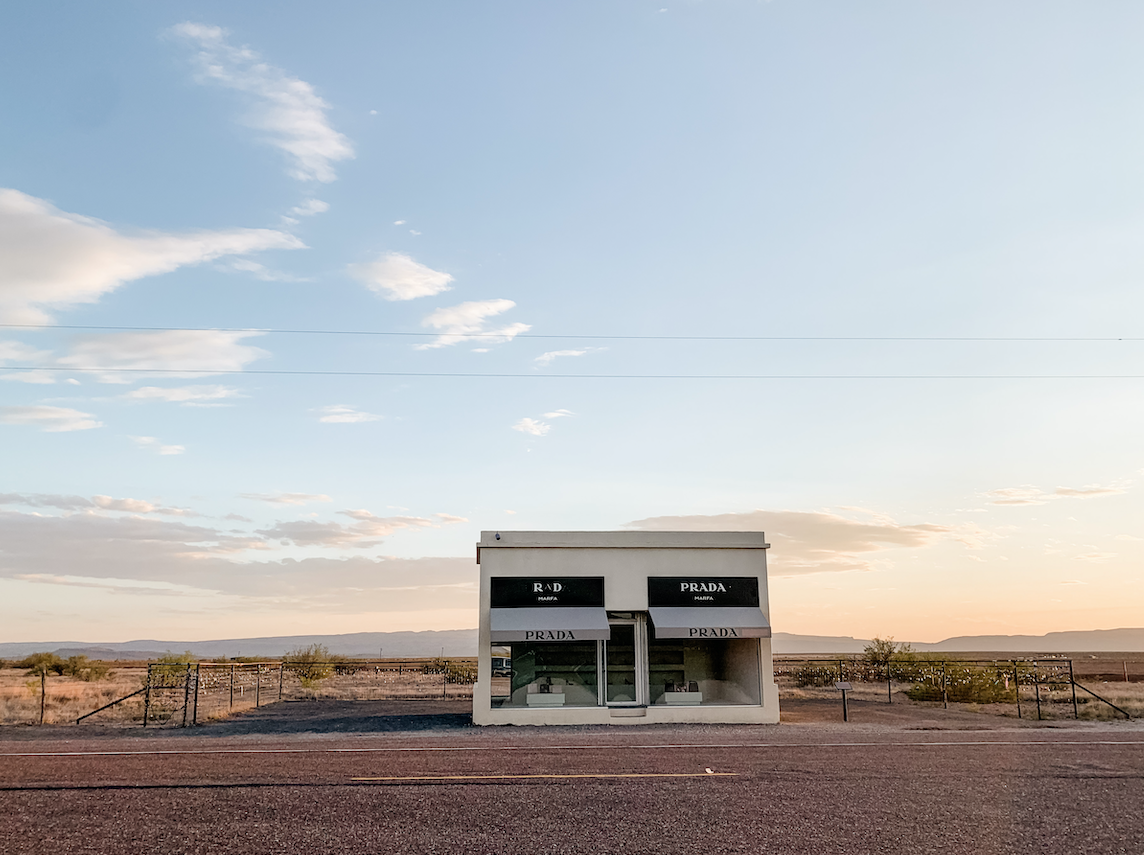
On its twentieth anniversary, Prada Marfa is much more than a sealed storefront in the desert. It was born to disappear, but instead has endured—becoming a legend precisely because it never sold a thing. For me, as a collector and writer, standing before it was more than visiting a famous site: it was a reminder of why I believe art must return to its essence. Art for the people, art that speaks beyond the markets, art that exists in its purest form. Under the desert sky, with the mysterious lights of Marfa twinkling in the distance, Prada Marfa continues to demonstrate that art's greatest value lies not in what it sells, but in what it inspires.


You may be
interested
...