Opinion
Berghain: Rosalía redefines contemporary music with a masterpiece

Rosalía has decided to embark on a new artistic journey with Berghain , the first preview of Lux , her upcoming and highly anticipated album. The Catalan artist continues to explore border territories, where opera coexists with electronic pulses and a multilingual identity that expresses the complexity of her global imagination. The release of the track on Monday, October 27th, was not simply the launch of a song, but a declaration of intent: Rosalía is not interested in fitting into the labels she has already helped redefine.
Her new work seems to reaffirm something many already perceived. Each of Rosalía's projects challenges tradition, easy consumption, and the cultural hierarchies that still try to separate the highly academic from the popular. At Berghain, one hears a desire to experiment without fear of contradiction. Echoes of the operatic avant-garde intertwine with the nocturnal energy of the most iconic clubs. There's also a desire to celebrate hybridity: voices that change language like someone changing emotions.

This single serves as an invitation to a more ambitious aesthetic universe. Everything indicates that Lux will not be a simple chapter in her career, but rather a new roadmap. Rosalía continues to demonstrate that she feels comfortable in the role of an author who disturbs, a creator who disrupts the routine of the predictable. Her music, full of risk and conceptual clarity, exhibits a certainty: contemporary popular culture continues to need figures who push boundaries until they no longer seem like boundaries.
The wait is over: Motomami is now history, giving way to Lux , which begins its journey with a first stop at Berghain . This first chapter is spectacular and daring, a true leap into the void that, nevertheless, translates into an exquisite result. Alongside Björk and Yves Tumor, the artist sings in three languages, predominantly German, inspired by the famous and exclusive Berlin nightclub that gives the track its name, a world benchmark in techno music.
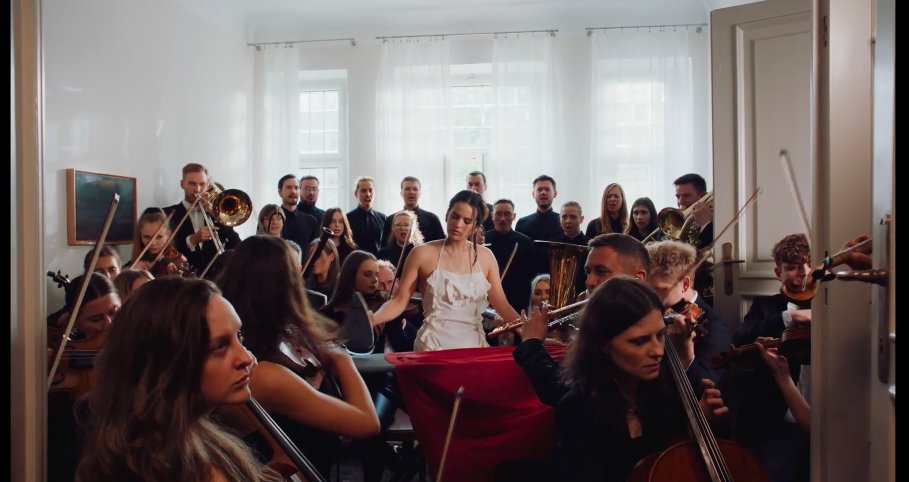
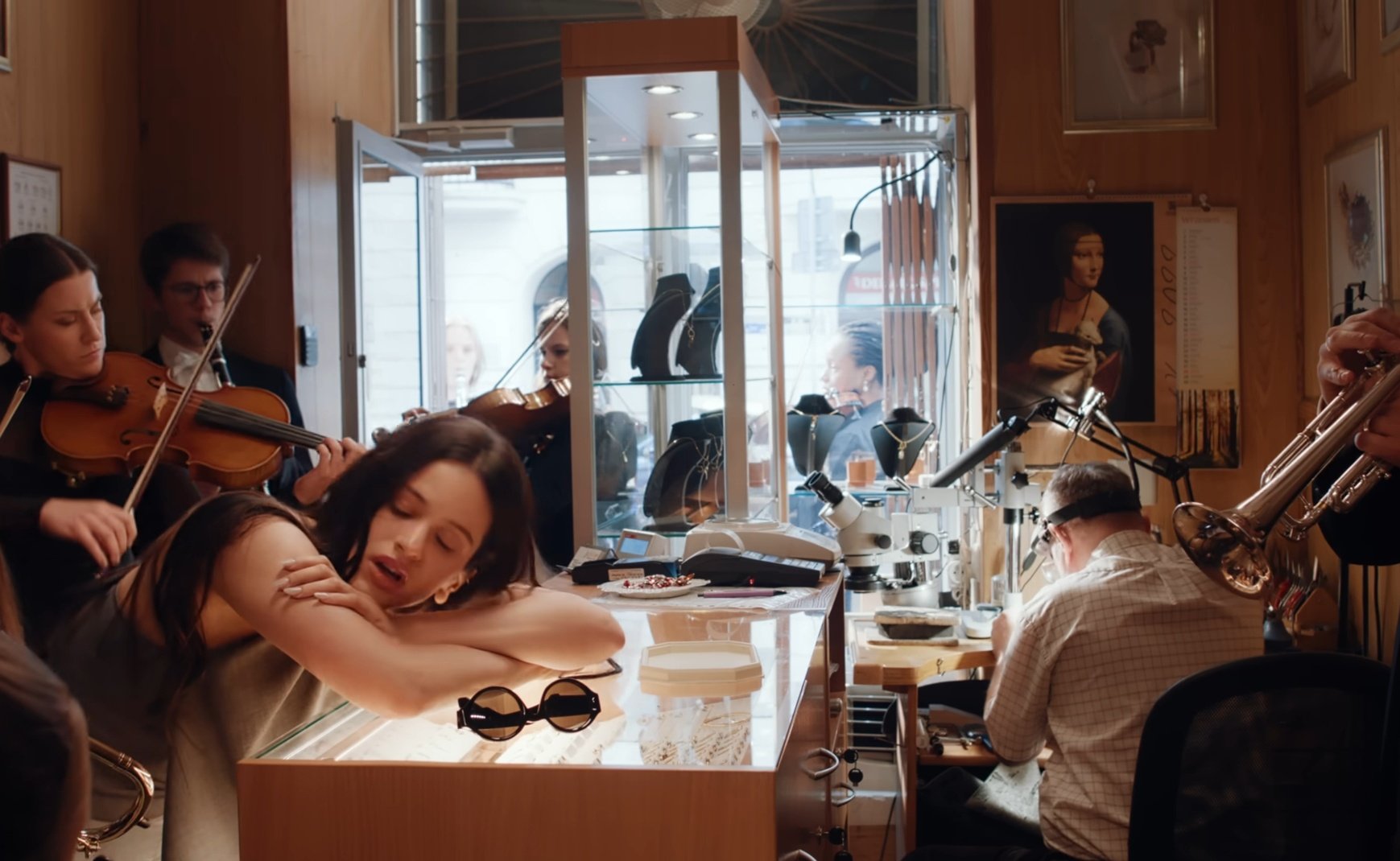
Rosalía is an artist who takes risks for art, and as Zane Lowe explained, "For the first time in my career, I have no words... Rosalía is changing the rules of the game again." The Catalan artist is accompanied by the orchestra and choir and plays with religious references alongside the appearance of The Lady with an Ermine , a Renaissance portrait painted by Leonardo da Vinci around 1489-1490. It depicts Cecilia Gallerani, a young woman at the court of Ludovico Sforza in Milan, in a three-quarter pose that provides dynamism and naturalness. The figure is lit with great delicacy, highlighting the anatomy of her face and hands, while the dark background draws attention to the subject. The ermine she is holding symbolizes purity and alludes to both her surname and the Duke himself, known as "the Ermine." The interaction between the lady and the animal makes the work one of the most innovative and expressive portraits of its time.
Lux , Rosalía's highly anticipated new album, will be released on November 7th, consolidating the artistic ambition the Catalan singer has demonstrated throughout her career. Featuring 18 tracks, the album promises a mosaic of sounds and voices, the result of collaborations that reflect both her international reach and her commitment to Iberian musical tradition.
The participating artists include figures of enormous prestige and stylistic diversity: from the avant-garde Björk to emblematic voices of Spanish music such as Carminho, Estrella Morente, and Silvia Pérez Cruz, as well as choral groups such as the Escolania de Montserrat and the Cor de Cambra del Palau de la Música Catalana. Also participating are contemporary artists of global standing such as Yahritza and Yves Tumor, demonstrating Rosalía's desire to build bridges between different generations and sonic universes.
This lineup suggests that Lux will not just be another album in her career, but an exercise in artistic audacity: a place where tradition, innovation, and experimentation coexist, and where Rosalía reaffirms her ability to question and expand the boundaries of what contemporary popular music can offer.



You may be
interested
...