
Exhibitions
Tobias Rehberger's material translations and visual ambiguities in Pedro Cera
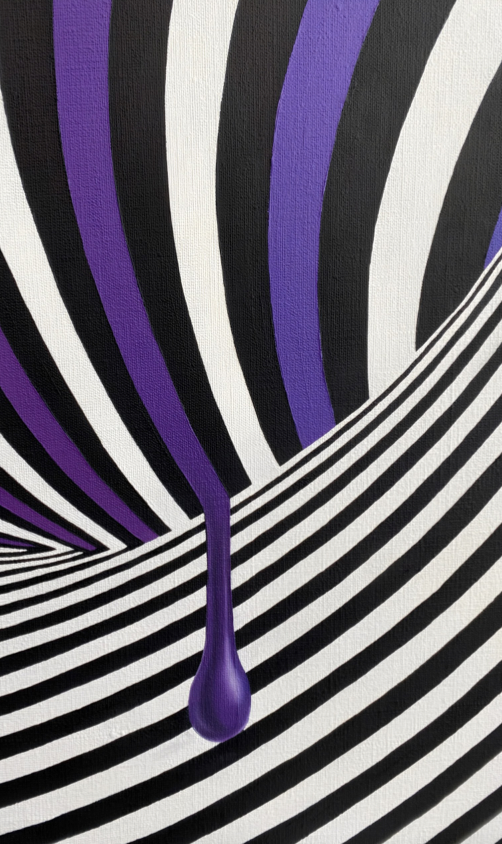
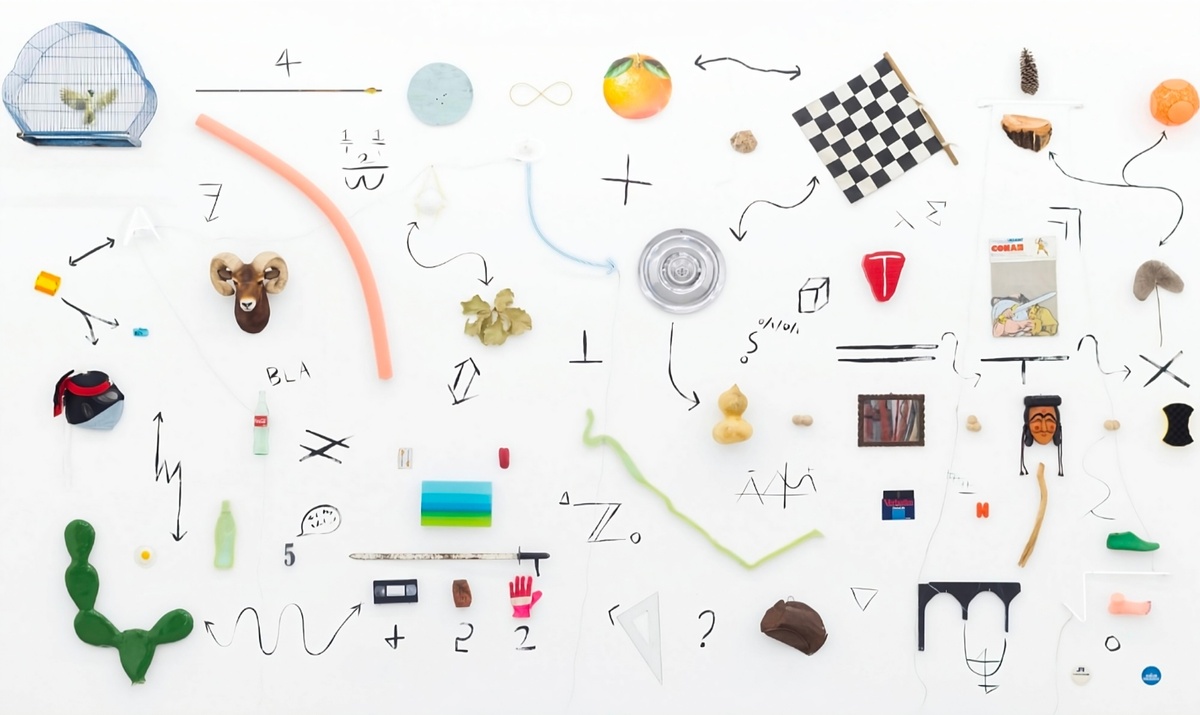
By using functional forms taken from everyday life, Rehberger plays with cultural conditioning and dismantles the supposed boundary between the aesthetic and the utilitarian. His work fundamentally questions what we expect—or what we believe is permissible—in a piece of art. With Many Are Ashamed of Their Bodies, Very Few Are Ashamed of Their Minds , the artist once again challenges the boundaries of authorship, the function, and status of the artistic. He does this through material and conceptual strategies that broaden the field of the possible, opening up unexpected territories of reflection and experience.
Tobias Rehberger opens the season at Pedro Cera's space in Madrid with Many feel ashamed of their bodies, very few feel ashamed of their minds on September 11th. He is a renowned contemporary German artist whose work moves between sculpture, installation, design, painting and architecture, and whose work is distinguished by blurring the boundaries between different disciplines and transforming the ordinary into unexpected visual and spatial experiences, where perception, ambiguity and transience become protagonists.
The renowned German artist's first solo exhibition at Pedro Cera's Madrid office brings together four series that condense concerns that have been present in his creative journey since his early days. Between material translations and plays with visual ambiguity, the pieces—which transition between painting, sculpture, textiles, and glass—deploy a persistent exploration of languages and systems of representation.
In this new pictorial series, Rehberger begins with a reinterpretation of the Latin alphabet to create an abstract visual language based on a unique system he devised. With subtle echoes of chromatic Op Art, his compositions initially appear as interweavings of geometric patterns and intertwined fields of color. But hidden within these structures are coded letters, words, and acronyms revealed through the spatial organization. In this way, the artist creates a calculated tension between the visible and the legible, emphasizing his interest in visual codes and the way they construct meaning.

You may be
interested
...