News
São Paulo: the biennial that sets the pulse of contemporary art
The São Paulo Art Biennial is one of the world's most important cultural events and, at the same time, a symbol of Brazil's artistic projection. Founded in 1951 thanks to the vision of entrepreneur and collector Ciccillo Matarazzo, the biennial has become the second oldest in the world, behind only the legendary Venice Biennale.
Every two years, the imposing Ciccillo Matarazzo Pavilion, located in the heart of Ibirapuera Park, opens its doors to welcome artists, critics, curators, and visitors from all continents. The event is organized by the São Paulo Biennial Foundation, an institution that has worked since its inception to consolidate this space as an epicenter of international artistic dialogue.
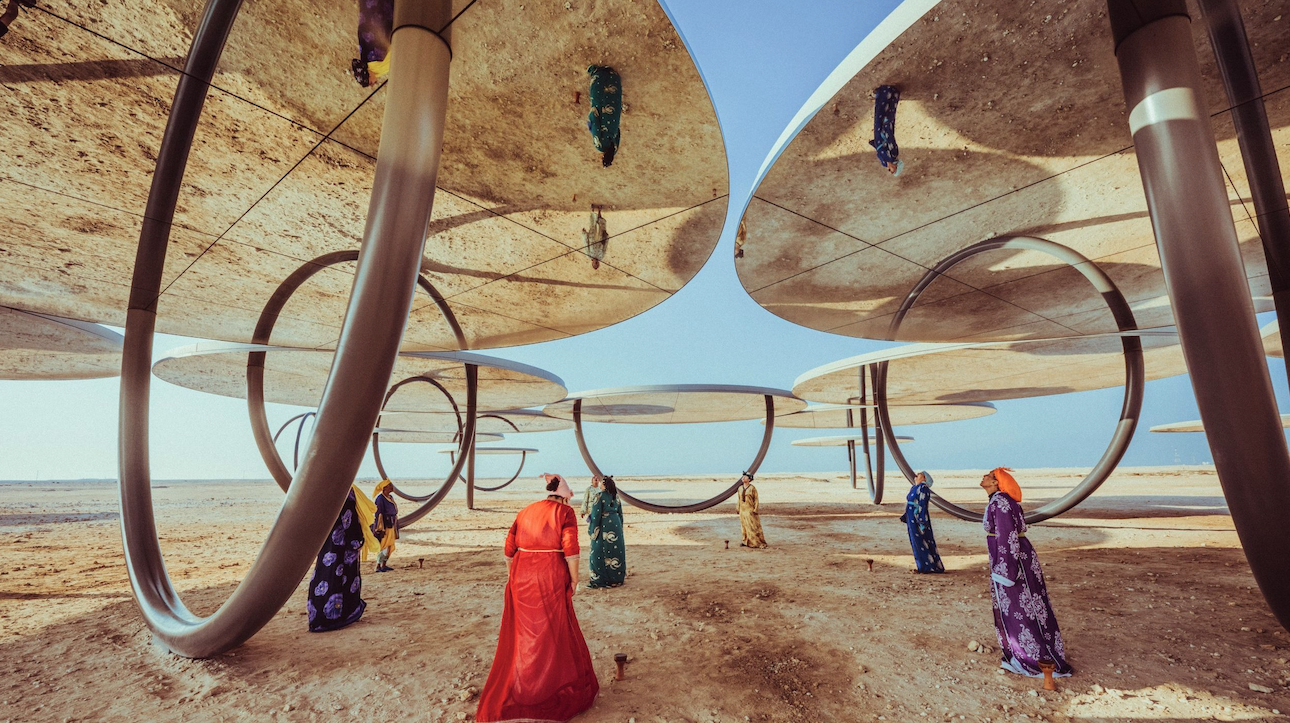
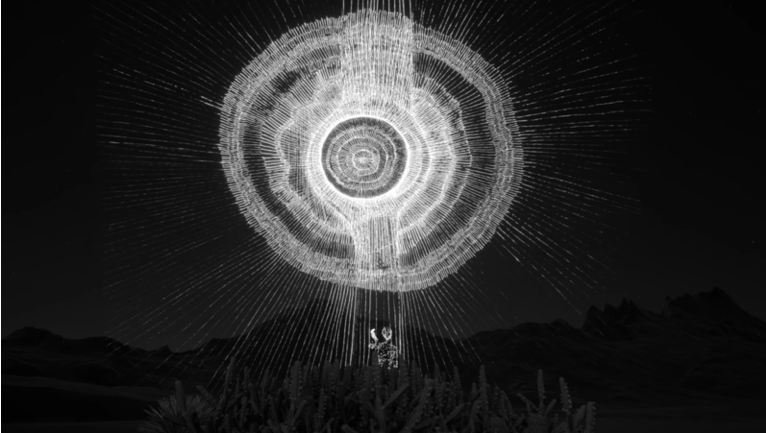
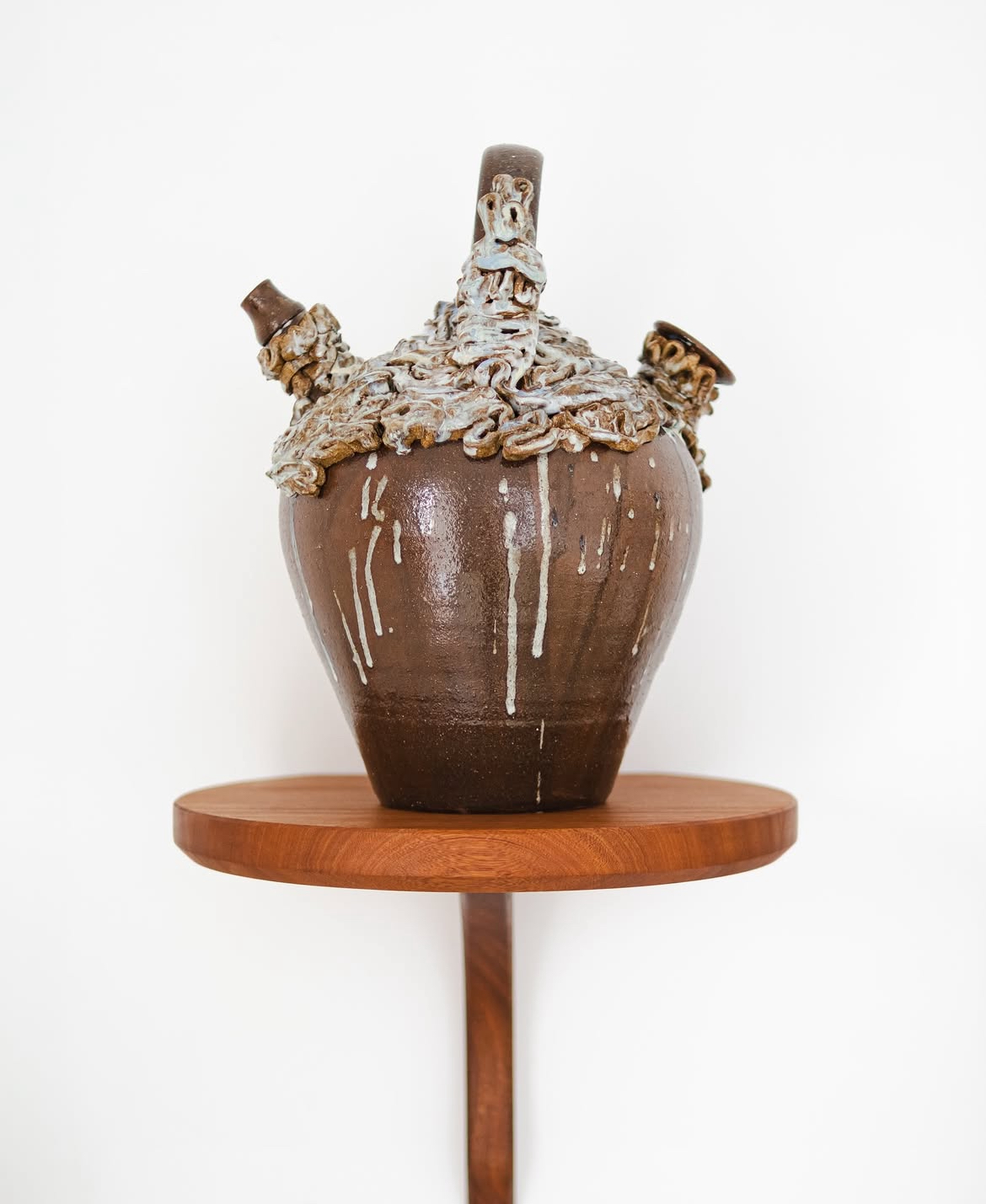
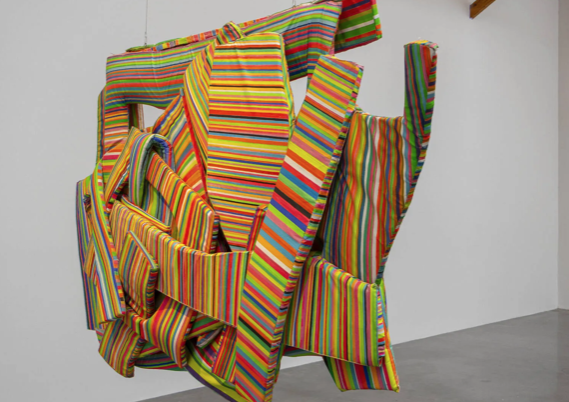
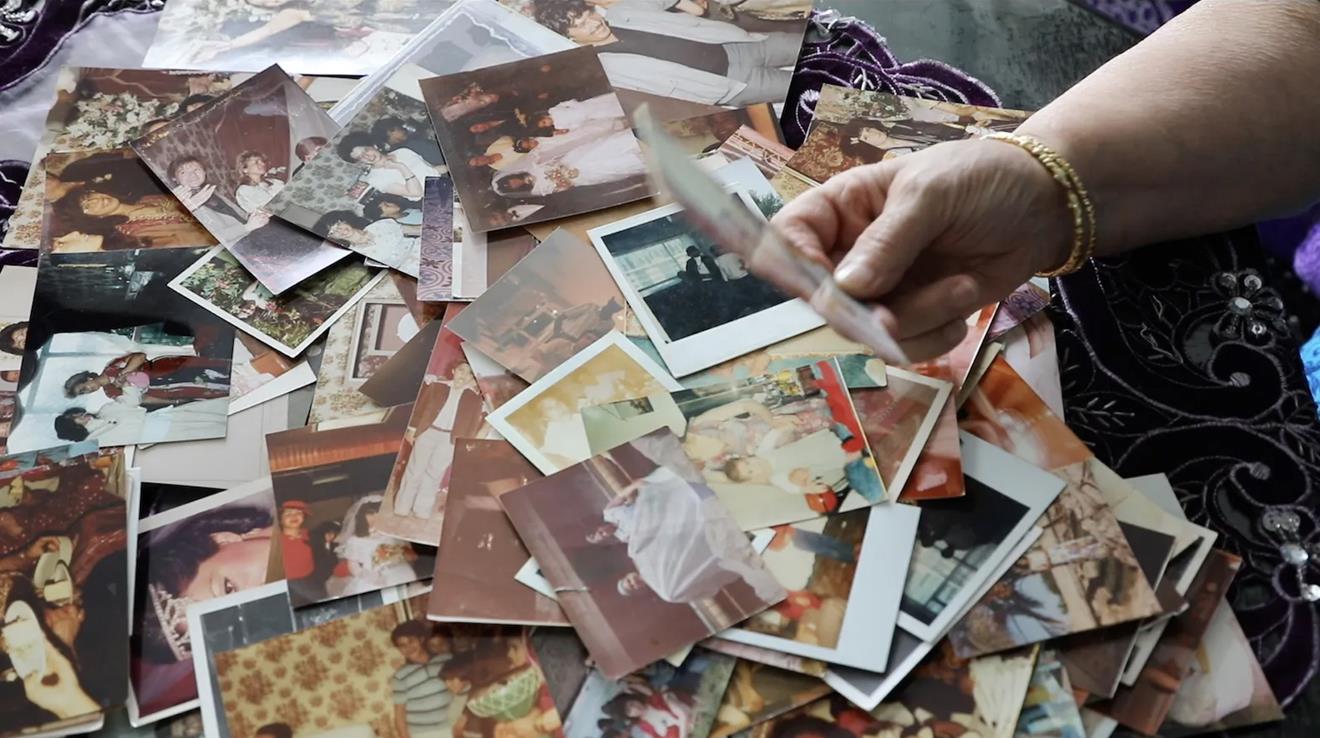
Participating work during the 2023 Biennial.
The 36th São Paulo Biennial, titled Not All Travelers Follow Paths – From Humanity as Practice , will open on September 6, 2025, at the Ciccillo Matarazzo Pavilion, within Ibirapuera Park, and will run until January 11, 2026, with free admission.
As in every edition, one of the main focuses will be its public program, which this time will begin with a special event throughout the opening weekend. Under the name "Conjugations ," the program—conceived by the curatorial team—will bring together artists, researchers, and institutions from around the world around a common goal: to collectively explore and celebrate the human condition. These activities will take place in the Biennial Pavilion itself.
In parallel, the event will feature the so-called Tributaries , initiatives organized by partner institutions that expand the biennial experience beyond the Pavilion. This year's events feature Casa do Povo and Cinémathèque Afrique. The program will kick off with a performance by choreographer Marcelo Evelin at Casa do Povo, scheduled for September 5 and 6, coinciding with the event's official opening day.
Curated by Bonaventure Soh Bejeng Ndikung and assisted by Alya Sebti, Anna Roberta Goetz and Thiago de Paula Souza have revealed the list of participants for the 36th São Paulo Biennial , Not All Travelers Walk Roads – Of Humanity as Practice . “This methodological process helped us avoid classifications based on nation states and borders. By studying birds’ navigational abilities, their drive to migrate across land and water, their survival instincts, their expanded sense of space and time, and their urgency and agency, we were able to engage with artistic practices across different geographical regions while reflecting on the meaning of bringing humanity together in the context of the 36th São Paulo Biennial,” says Bonaventure Soh Bejeng Ndikung.
Throughout its history, the Biennial has played a fundamental role in the dissemination of modern and contemporary art in Latin America, offering a global panorama where aesthetic, political, and social proposals coexist. It is not just a showcase for contemplation, but a space for critical reflection on the great challenges of the present.
Its impact has been profound: it has boosted the careers of numerous Brazilian and international artists, stimulated the creation of collections and museums in the country, and consolidated São Paulo as a global cultural landmark. More than an exhibition, the São Paulo Biennial is a mirror of our time: an invitation to look at the world from multiple perspectives, to discover new sensibilities, and to understand how contemporary art intertwines with the tensions and hopes of society.
The participating artists for the 36th São Paulo Biennial are:
Adama Delphine Fawundu; Adjani Okpu-Egbe; They isolate Pankararu; Akinbode Akinbiyi; Alain Padeau; Alberto Pitta; Aline Baiana; Amina Agueznay; Ana Raylander Mártis de los Ángeles; Andrew Roberts; Antonio Tarsis; Behjat Sadr; Berenice Olmedo; Bertina Lopes; Camille Turner; Carla Gueye; Cevdet Erek; Chaïbia Talal; Christopher Cozier; Cici Wu with Yuan Yuan; Cynthia Hawkins; Edival Ramosa; Emeka Ogboh; Ernest Cole; Ernest Mancoba; Farid Belkahia Firelei Báez; Architecture / Forensis; Forensis; Forugh Forensic Forugh Farrokhzad; Frankétienne; Gê Viana; Gervane de Paula; Gōzō Yoshimasu; Hajra Waheed; Hamed Mir; Isa Genzken; Joar Nango with the Girjegumpi team; Joséfa Ntjam; Juliana dos Santos; Julianknxx; Kader Attia; Kamala Ibrahim Ishag; Kenzi Shiokava; Korakrit Arunanondchai; Laila Hida Laure Prouvost; Leiko Ikemura; Leila Alaoui; Leo Asemota; Leonel Vásquez; Lidia Lisbon; Lynn Hershman Leeson; Madame Zo; Madiha Umar; Malika Agueznay; Manauara Clandestina; Mansour Cisss Kanakassy; Mao Ishikawa; Márcia Falcao; Mary Help of Christians; María Magdalena Campos-Pons; Marlene Almeida Maxwell Alexandre; Meriem Bennani; Metta Pracrutti; Michele Ciacciofera; Ming Smith; Minia Biabiany; Moffat Takadiwa; Mohamed Melehi Oguibe; Oscar Murillo; Otobong Nkanga; Pélagie Gbaguidi; Pol Stool; Precious Okomon; Raukura Turei; Raven Chacon with Iggor Cavalera & Laima Leyton; Rebeca Carapiá; Richianny Ratovo; Ruth Ige; Sadikou Oukpedjo; Sallisa Rosa; Sara Sejin Chang (Sara van der Heide); Sergio Soarez; Sertão Negro; Sharon Hayes; Shuvinai Ashoona; Simnikiwe Buhlungungu; Song Dong Suchitra Mattai; Tanka Fonta; Than Petersenia; Theo Eshetu; Theodore Diouf; Theresah Ankomah; Trơng Công Tùng; Tuần Andrew Nguyễn; Villainism; Werewermanse Liking; Wolfgang Till; Zózimo Bulbul.



You may be
interested
...