News
Art and nature meet in the Albufera with the IVAM as a bridge.
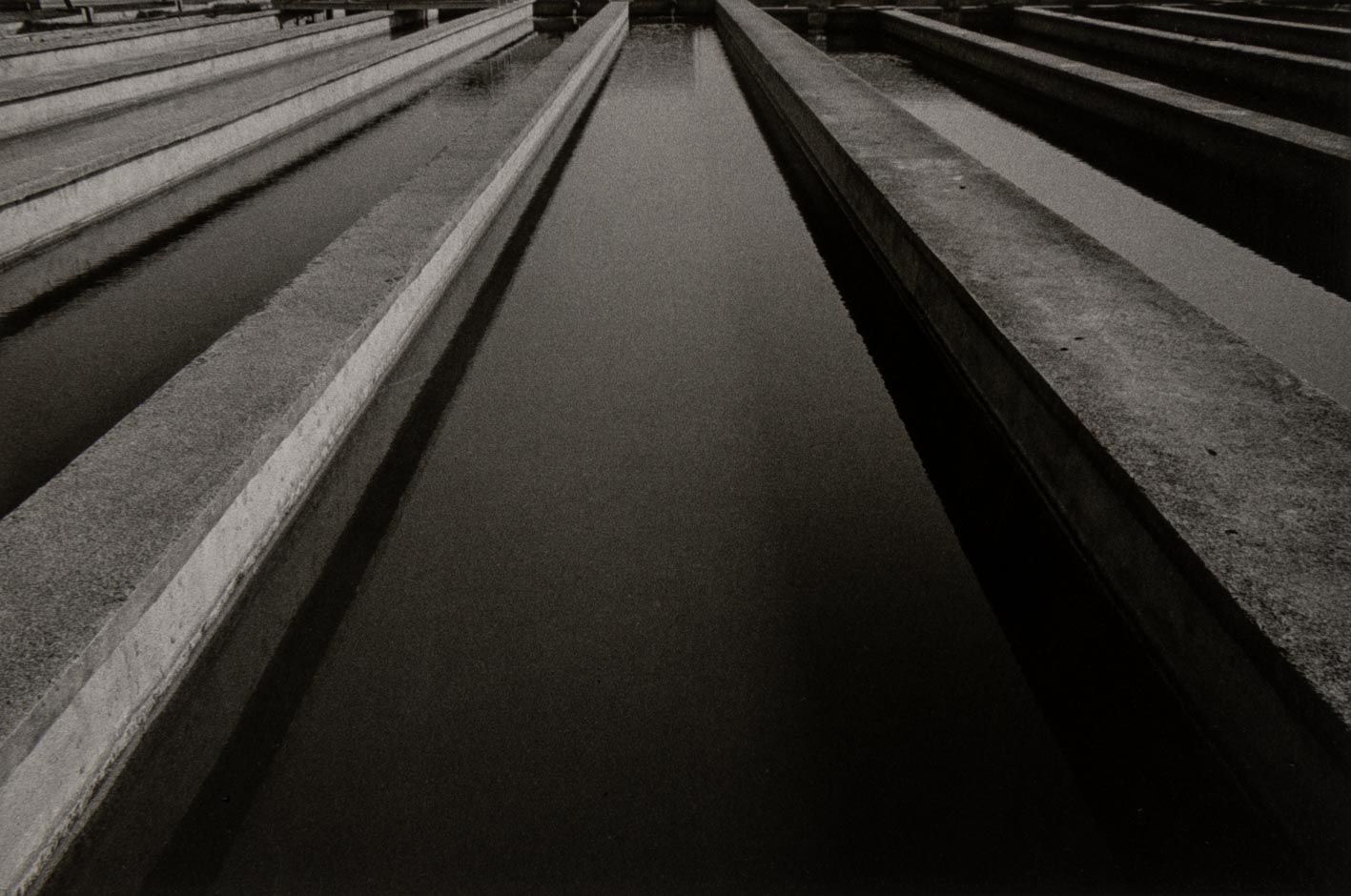
The Institut Valencià d'Art Modern, together with the Museo Anfibio, are developing various lines of action focused on the natural landscapes and bodies of water in the area. The museum's objective is to highlight the natural landscapes and bodies of water historically and socially linked to the city of Valencia, such as the orchards, ravines, the Mediterranean coast, the Turia River, and the Albufera, among others.
From this perspective, curatorial and artistic projects will be promoted that integrate hybrid formats, merging contemporary art, ancestral knowledge, ethnographic research, and environmental initiatives. These projects will revolve around two interconnected themes: Land Territories and Aquatic Environments.
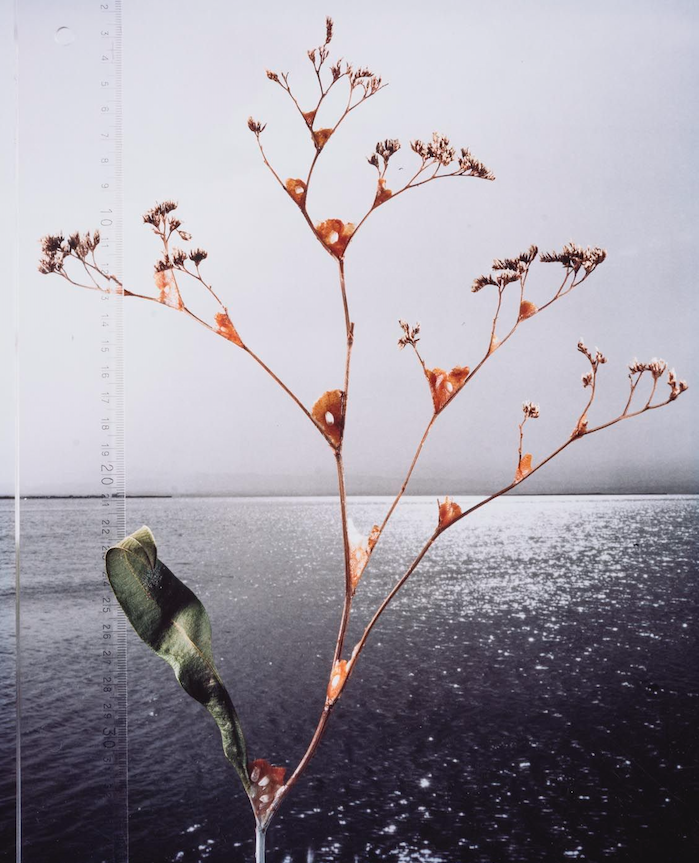
The Albufera (water lagoon) will be the central focus of one of the proposals of the Amphibian Museum , a project promoted by the Institut Valencià d'Art Modern (IVAM). This initiative includes an exhibition that will open in 2026, coinciding with the 40th anniversary of the Albufera's declaration as a Natural Park. The exhibition will seek to rethink and reflect on the ways in which this coastal wetland, considered one of the most valuable in both the Valencian Community and the entire Mediterranean basin, has been represented.
“The term amphibian refers to organisms capable of inhabiting and moving between water and land. This symbolic nature allows its meaning to be transferred to the cultural sphere, where museums can act as mediators between different physical and symbolic territories, mediating nutrients and life, memories and knowledge,” explained Blanca de la Torre, director of the IVAM.
The Amphibian Museum will launch its programming in 2025 with a series of sessions focused on cultural mediation, alongside a research project that will address natural phenomena and their impact on society. The initiative will include a specific editorial line and is part of IVAM's desire to consolidate itself as a permeable and dynamic institution, oriented toward the production of situated knowledge and the development of cultural mediation strategies that critically engage with their social, political, and environmental context.
You may be
interested
...