Exhibitions
The two visions of modernity of Zuloaga and Anglada-Camarasa
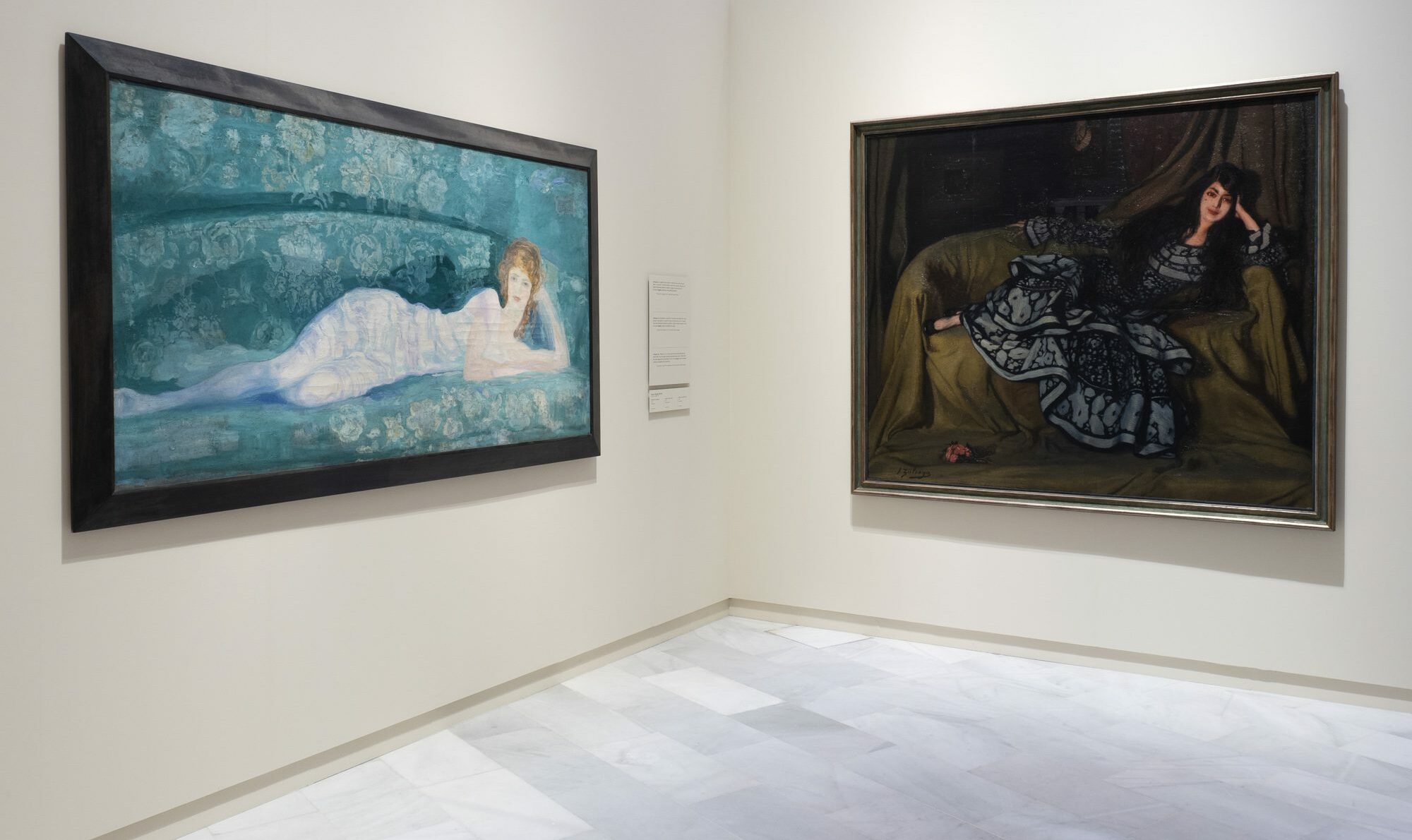
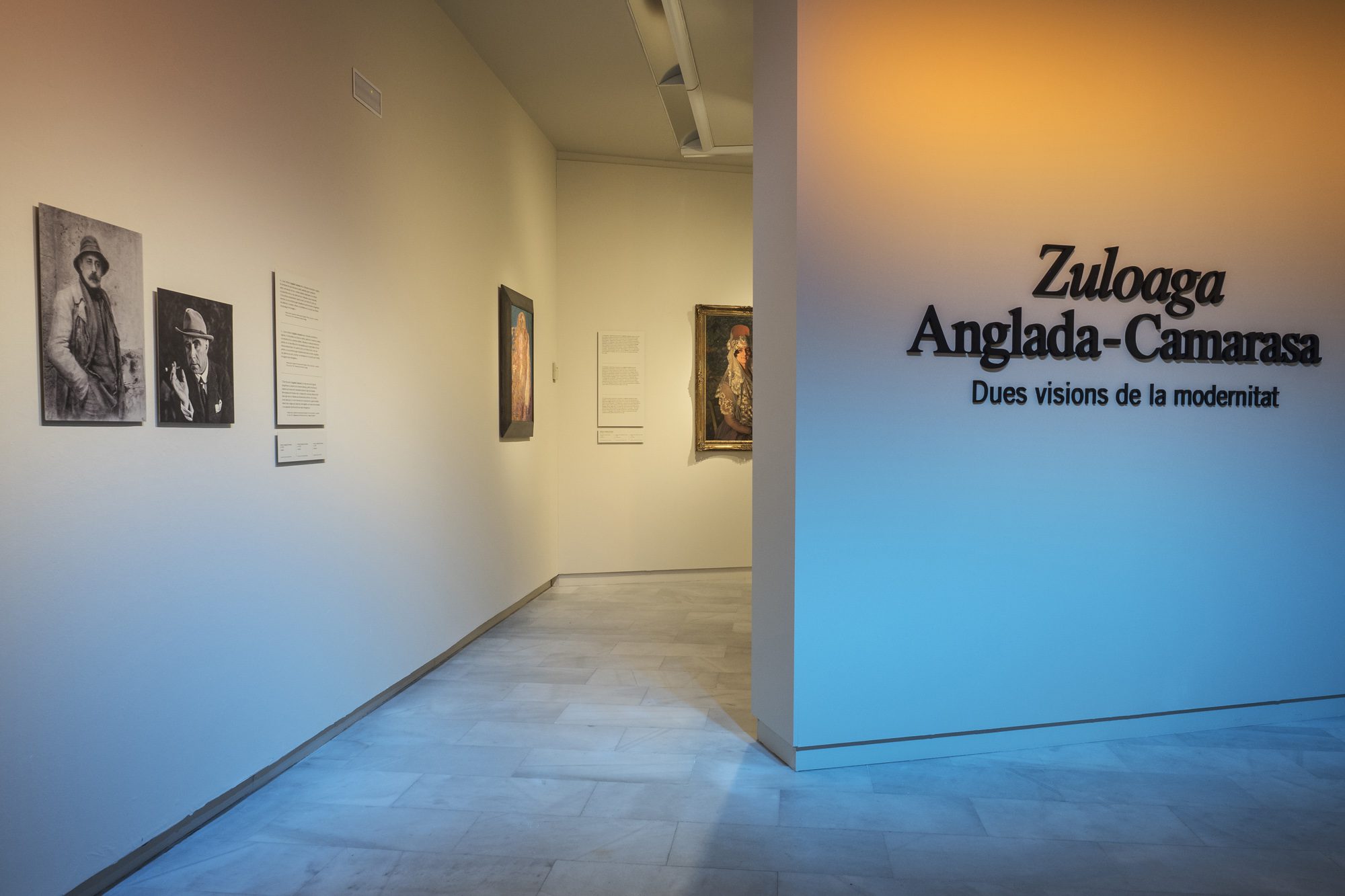
Two visions of modernity based on the work of Zuloaga and Anglada-Camarasa at the CaixaForum in Palma de Mallorca. An exhibition, a tour, and a unique journey that confronts, but also connects, the work of two great painters of modern Spanish art. Ignacio Zuloaga (Éibar, 1870 - Madrid, 1945) was a more austere, dramatic, and somber artist; Hermenegildo Anglada-Camarasa (Barcelona, 1871 - Pollensa, 1959) stood out for his colorism and modernism.
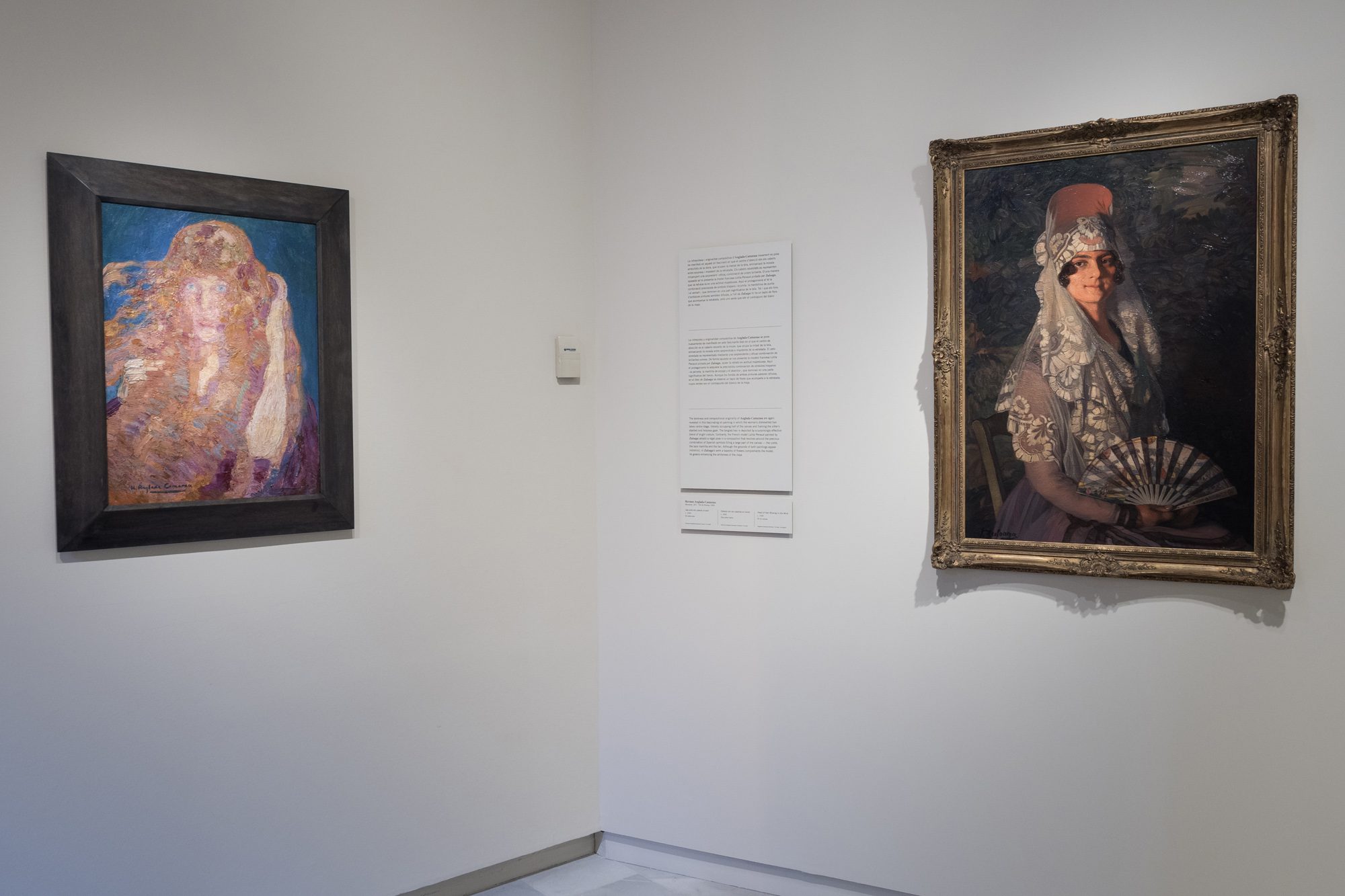
Until August 16, a total of 26 works from this exhibition will be on display at the Gran Hotel, thirteen by each artist, with a central focus: exploring the similarities and differences between Zuloaga and Anglada-Camarasa. The museographic aspect of the exhibition is interesting, as the works are presented in pairs based on themes from both artists, whether portraits of women, majas, landscapes, or folk scenes. Alongside these works, personal letters, photographs, and documents revealing the friendship between the two artists are also on display at the CaixaForum Mallorca.
A friendship that began at a specific moment: the 1900 Paris World's Fair, when the French capital was just beginning to emerge as the world's artistic capital. From that initial encounter, years of friendship and relationship blossomed, resulting in this exhibition curated by Margarita Ruyra de Andrade, director of the Zuloaga Foundation.
In their paintings, Zuloaga and Anglada-Camarasa addressed themes highly valued in contemporary Paris, such as gypsy figures and majas, as well as highly expressive landscapes, all influenced by Impressionism and Post-Impressionism. However, their stylistic trajectories differ markedly: while Anglada-Camarasa developed a luminous, decorative visual language with Orientalist overtones, Zuloaga favored a more restrained, realistic, and detailed aesthetic that delves into Spanish character and tradition.
This duo of successful yet controversial artists was key to understanding art up to the First World War. Both artists remained faithful to their deeply personal styles, far removed from the academicism and complacent painting that dominated many of the artists based in Madrid, who tended to monopolize official commissions and institutional recognition.



You may be
interested
...