
Exhibitions
Art Basel Hong Kong 2026 as the epicenter where Asia redefines the global art map
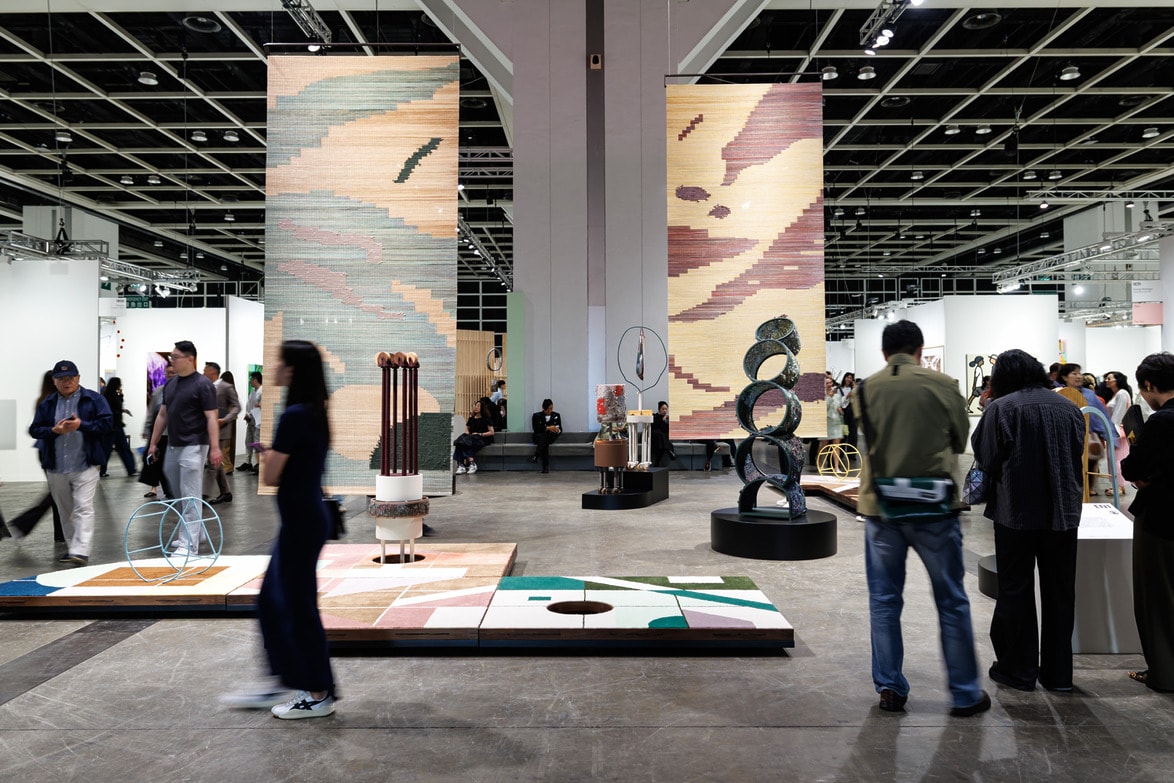
Art Basel Hong Kong 2026 is not simply an art fair: it is the most visible symptom of a cultural transformation that has redefined Hong Kong in just over a decade. What was once considered a “cultural desert” has evolved into an essential hub for global art, and this 2026 edition seems aware of—and deliberately proud of—that shift.
With 240 galleries from 41 countries and regions, more than half of them from the Asia-Pacific region, the fair reinforces its role as a platform for mediation between East and West. This is not merely a matter of volume, but of focus: the growing presence of the APAC region not only diversifies the offerings, but also shifts the center of gravity of the artistic discourse toward local narratives that, for years, remained in the background of the international art circuit.
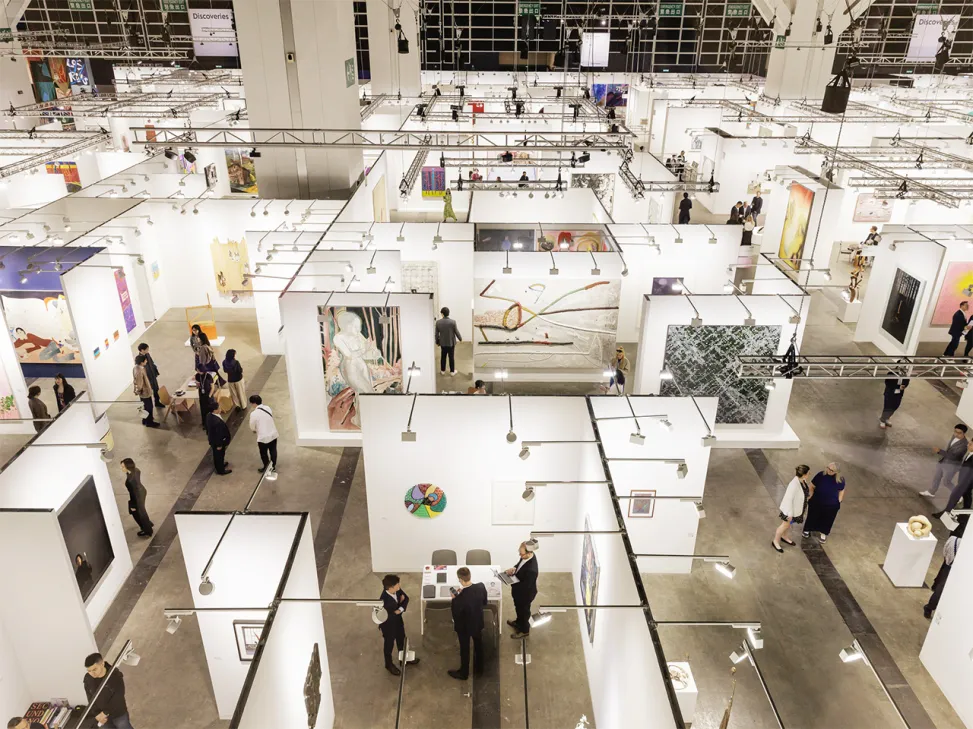
The curatorial structure, organized into six sectors, demonstrates a commitment to balancing historical review with contemporary urgency. The Kabinett sector, with its 35 thematic exhibitions, functions as an expanded archive: it brings into dialogue different temporalities and practices, suggesting that the history of art in Asia-Pacific is neither linear nor homogeneous, but rather fragmented, multifaceted, and constantly being reinterpreted. In contrast, the new Echoes sector introduces a decidedly contemporary perspective, focusing on works produced in the last five years. Its scale—just 10 booths—does not diminish its impact; on the contrary, it concentrates attention on the most recent developments, underscoring the speed at which artistic practice evolves in the region.
This dual gesture—looking back and forward—reflects a fair that no longer needs to legitimize itself through Western parameters. Instead, it constructs its own critical framework, supported by a cultural ecosystem that has grown in parallel within the city. Institutions such as M+ and the Hong Kong Palace Museum have contributed to consolidating a first-rate infrastructure, while spaces like Para Site, the Hong Kong Museum of Art, and Tai Kwun Contemporary bring a more experimental and local dimension.
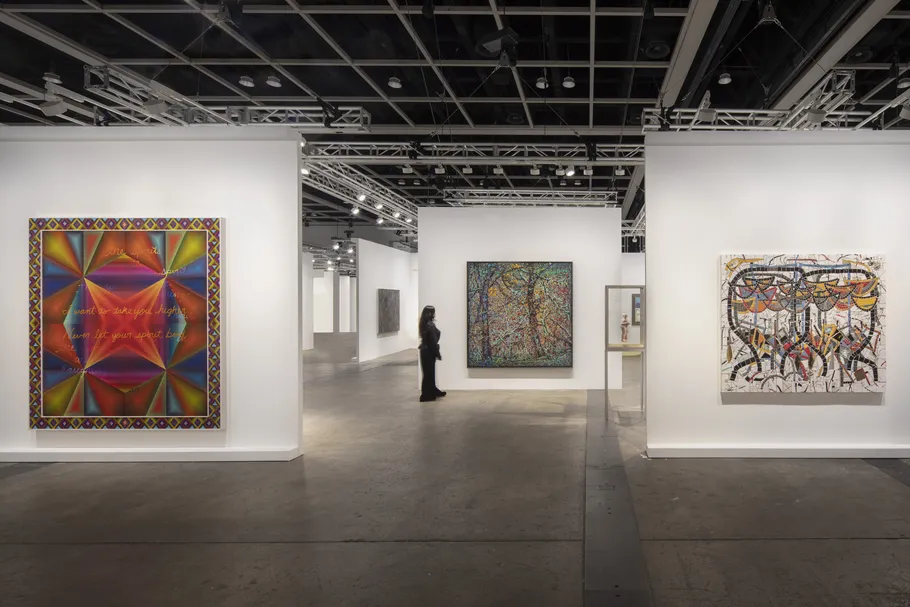
The fair's director, Angelle Siyang-Le, insists on defining the event as a "living ecosystem." This is no mere rhetoric: the strong presence of Asian collectors at the VIP preview—from Hong Kong, mainland China, Taiwan, Korea, Japan, and Southeast Asia—evidences a structural shift in the market. Collecting no longer revolves exclusively around Europe and the United States; it has become regionalized, diversified, and, in a sense, decentralized.
However, the fair's success also raises questions. Hong Kong's status as a free port, its favorable tax system, and its global connectivity are undeniable advantages, but they also reinforce its role as a commercial platform. The tension between market forces and critical discourse remains: to what extent can a fair simultaneously be a space for cultural experimentation and an economic engine?
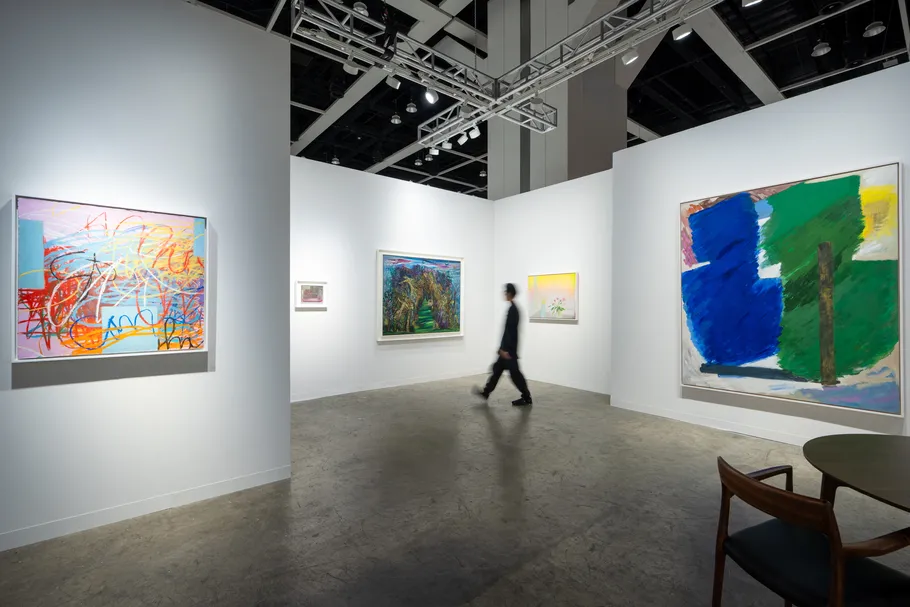
Art Basel Hong Kong 2026 doesn't resolve this contradiction, but it makes it visible. And perhaps therein lies its greatest value: in showing that contemporary art, especially in Asia, doesn't develop in a vacuum, but within a complex framework where history, identity, the market, and cultural politics converge. More than just a fair, it's a mirror of its time—and of a region that no longer occupies the periphery of the art world, but is one of its most dynamic centers.
You may be
interested
...