Exhibitions
When art becomes resistance with the power of the image in the fight for democracy
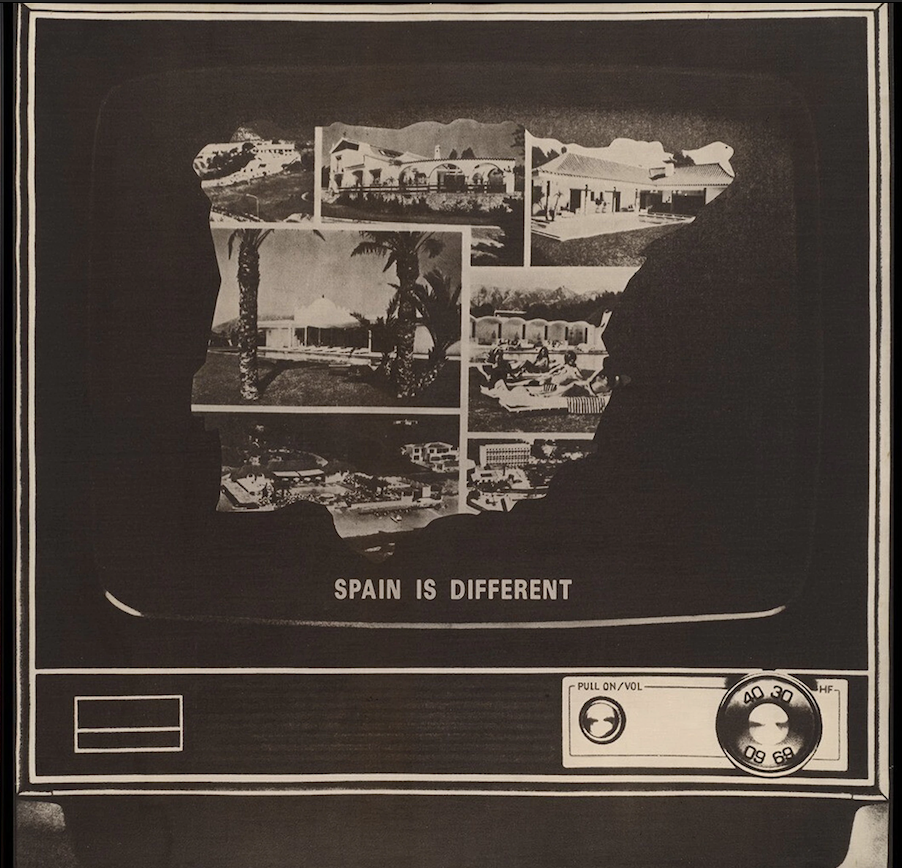
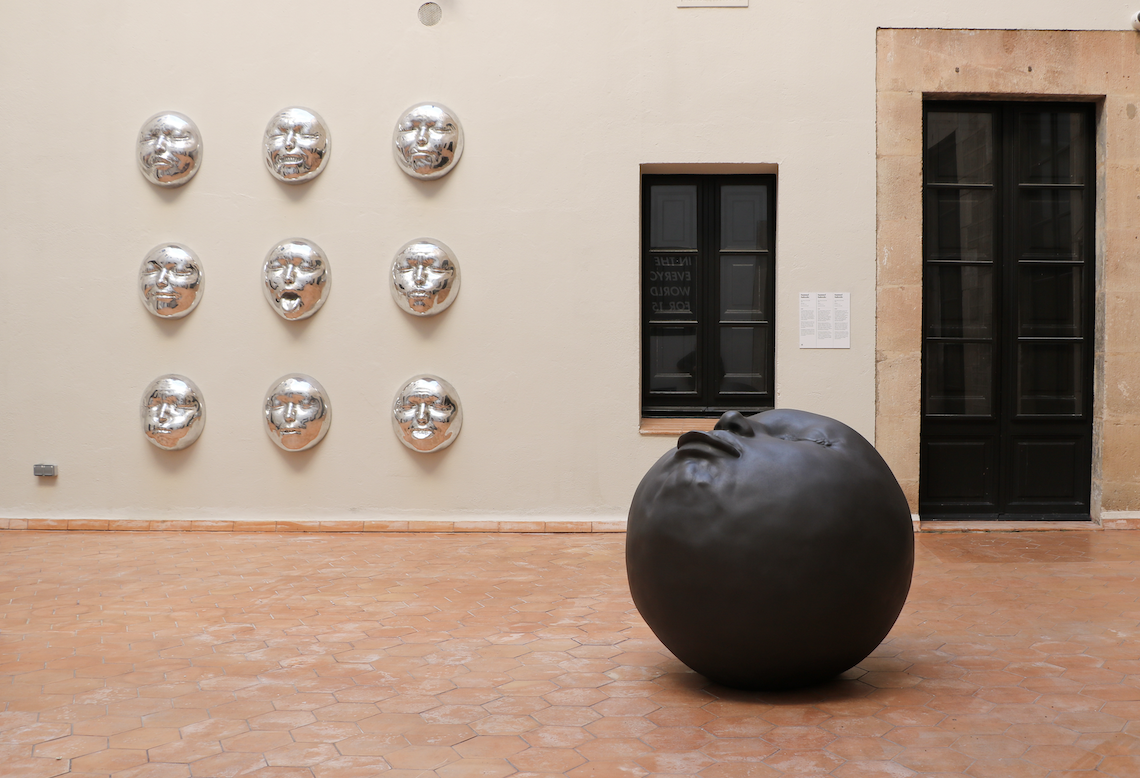
The SMAK in Ghent presents the group exhibition "Resistance. The Power of the Image ," in which some twenty Spanish artists reflect on the role of images in defending and building democratic values. The exhibition brings together works by Carlos Aires, Xavier Arenós, Pilar Aymerich, Alán Carrasco, Colita, Lúa Coderch, Eli Cortiñas, Daniel G. Andújar, Ana García-Pineda, Eulàlia Grau, Núria Güell, Agustín Ibarrola, José Ortega, Joan Rabascall, Josep Renau, María Ruido, Avelino Sala, Fernando Sánchez Castillo, Diego del Pozo Barriuso, and Darío Villalba.
Curated by EUROPALIA SPAIN, Resistance. The power of the image has been conceived by the independent Spanish curator Marta Ramos-Yzquierdo, together with Sam Steverlynck, curator of SMAK and can be seen until March 8.
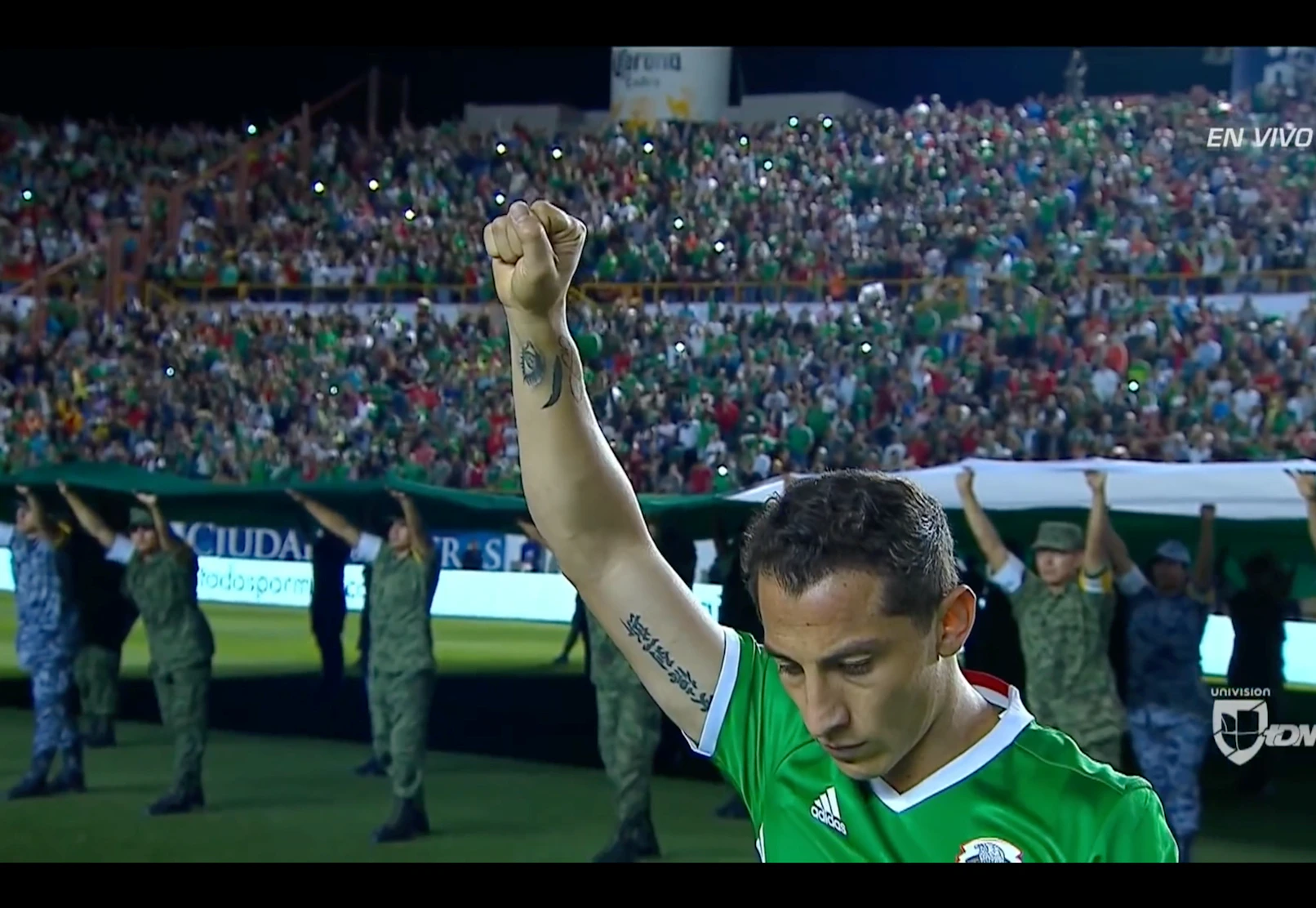
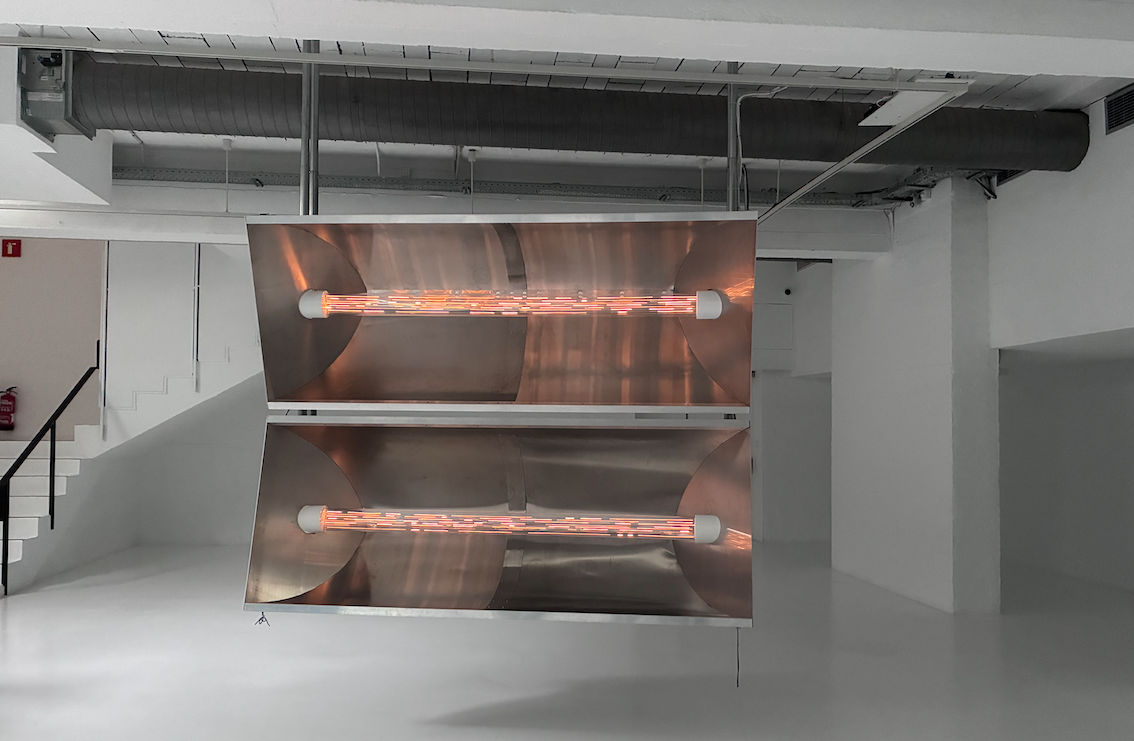
Avelino Sala © '4.33 minutes of silence of minutes of silence', 2021.
This group exhibition explores how, since the Spanish Civil War (1936–1939), artists have used art as a form of resistance, a space from which to demand new rights and denounce injustice. A pivotal moment in this history was the Spanish Pavilion at the 1937 International Exposition in Paris, where the horrors of war were projected to the world through multiple artistic languages. For that occasion, Picasso created Guernica, a work that endures as a universal symbol of resistance and as an emblem of the political power of art.
Resistance. The Power of the Image revolves around two key moments in the democratization process in Spain, in which artistic creation became a tool for political action. On the one hand, the 1970s, marked by the final stages of the struggle against the Franco dictatorship (1936–1975) and the transition to democracy. On the other, the last decade, characterized by a new wave of protests—such as the Indignados movement—that arose in response to the financial and real estate crisis and the progressive weakening of democratic principles.
You may be
interested
...