Exhibitions
Robert Rauschenberg: Art Where Life Comes into Play
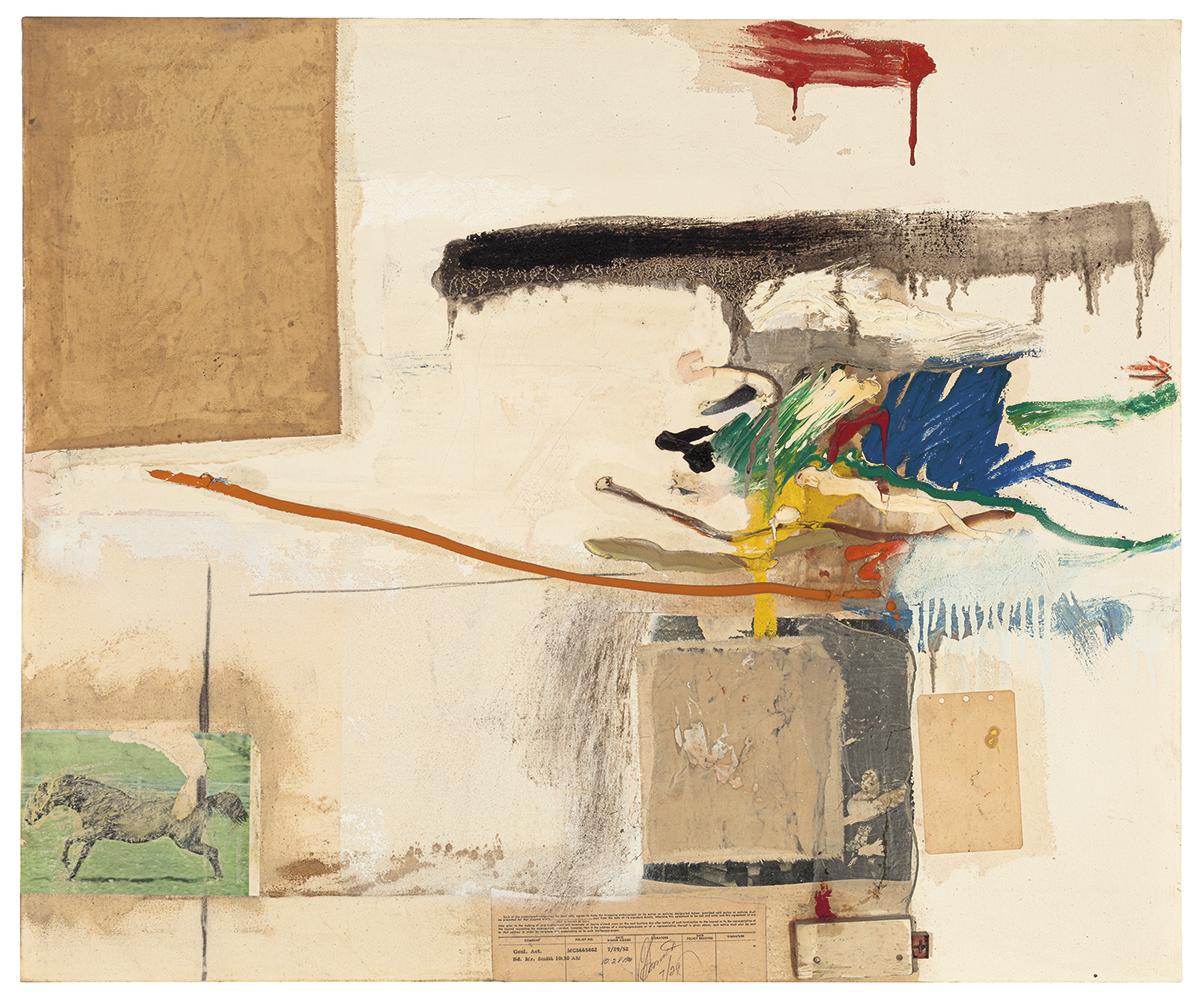
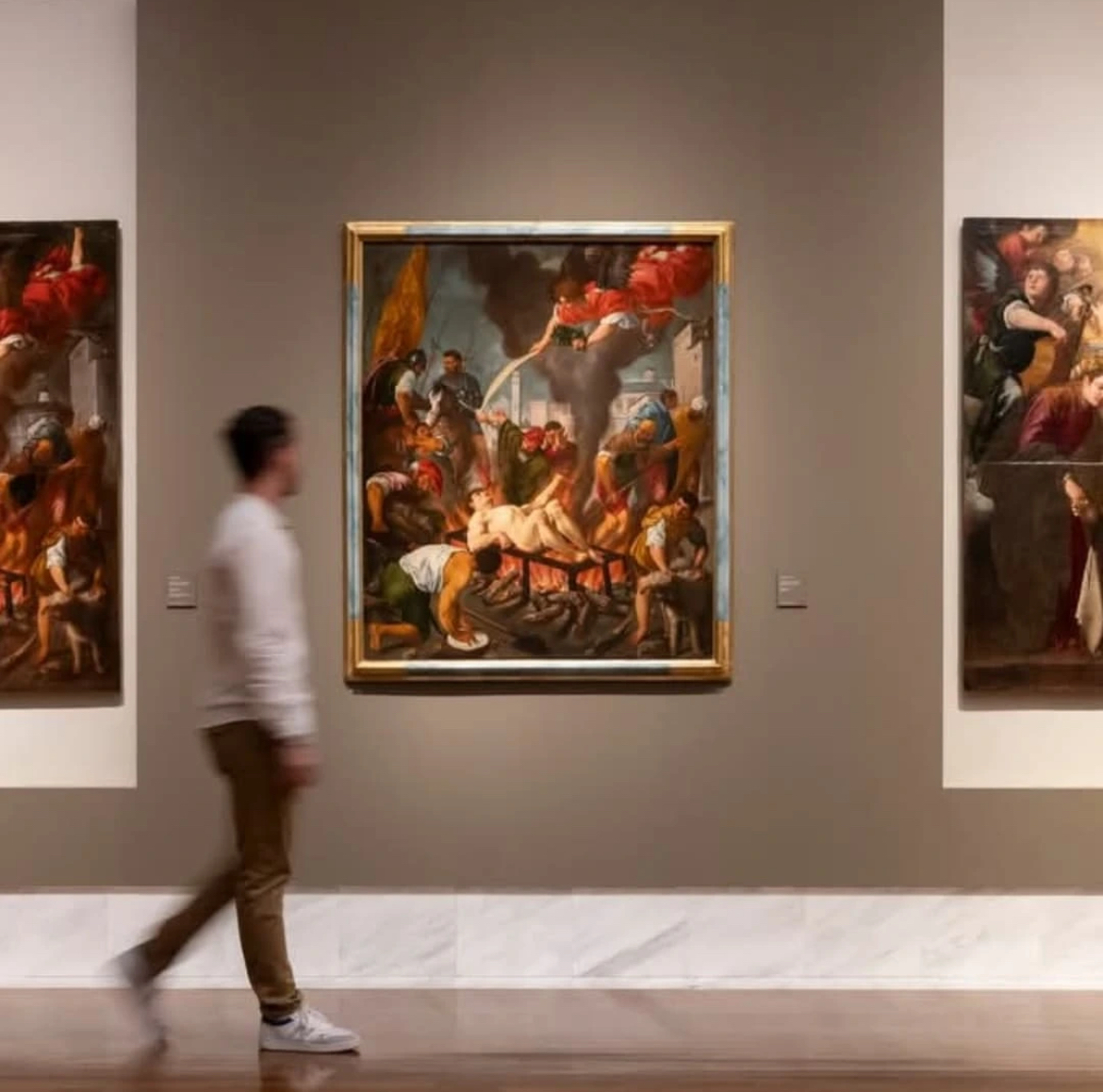
Robert Rauschenberg: The Use of Images will be one of the highlights of the Madrid exhibition calendar. The Juan March Foundation will host this exhibition from October 3 to January 18, with a tour highlighting key moments in the artist's career through his distinctive approach to working with images. The exhibition opens with photographs taken in the 1950s during his time at Black Mountain College and concludes with the series Ruminations (1999), a group of autobiographical works that closes the itinerary on an intimate and reflective note.
Robert Rauschenberg (1925–2008) occupies a central place in 20th-century art history, having bridged the gap between Abstract Expressionism and Pop Art, paving the way for much of contemporary art. His work, marked by experimentation and irreverence, was characterized by a desire to erase boundaries: between disciplines, between the artistic and the everyday, between the sublime and the trivial.
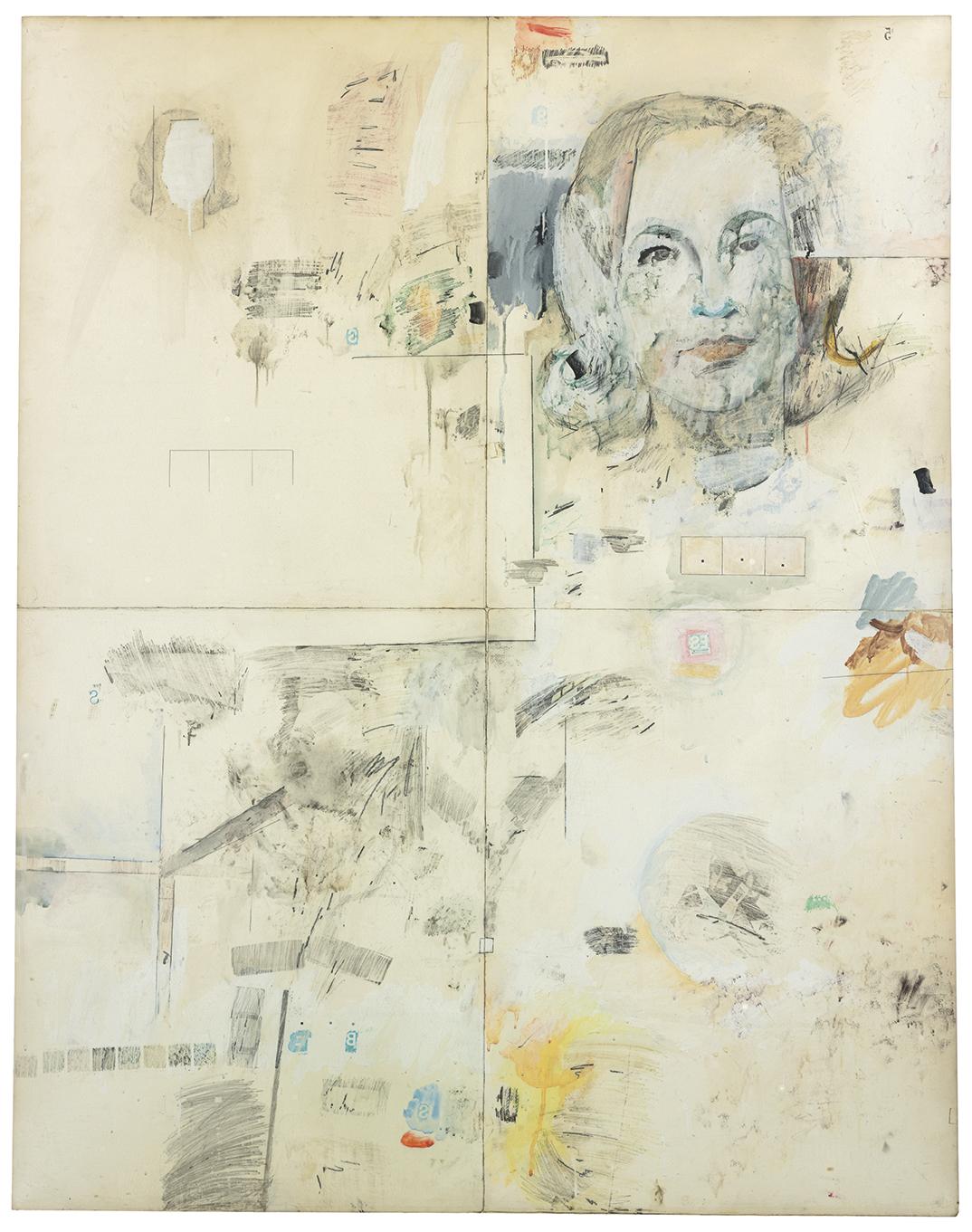
Thaddeus Ropac Collection, Paris, Salzburg © 2025 Robert Rauschenberg Foundation/Licensed by VAGA at Artists Rights Society (ARS), New York/VEGAP, Madrid.
His dialogue with mass culture was also decisive. By incorporating images from the press, advertising, and political and sports iconography, Rauschenberg anticipated Pop Art, albeit with a less commercial and more experimental approach than that of artists like Andy Warhol. His aim was not so much to glorify consumer symbols as to integrate them into a visual network that questioned the way these signs circulate in daily life.
In short, Rauschenberg created a fragmentary, vibrant, and open art that abandons the idea of the work as a heroic expression of an individual and conceives it as a space where objects, images, and experiences of everyday life come into play. His legacy lives on in the notion that art is not separate from the world, but embedded within it, in all its diversity and disorder.
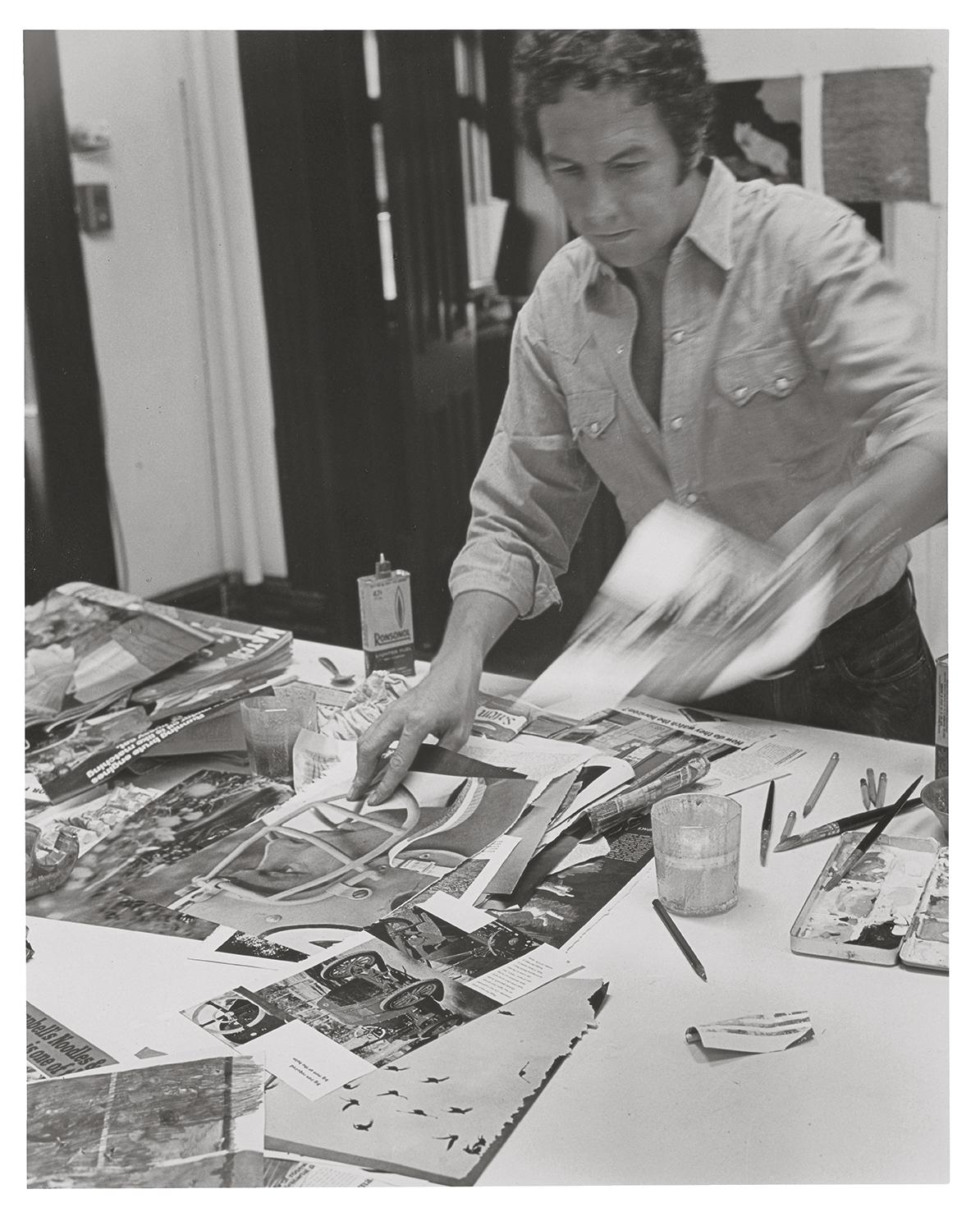
Robert Rauschenberg at work in his studio on Lafayette Street, New York. Photo: Shunk-Kender. Getty Research Institute, Los Angeles. Gift of the Roy Lichtenstein Foundation in memory of Harry Shunk and János Kender © J. Paul Getty Trust.
The Juan March Foundation also commemorates Rauschenberg's first solo exhibition in February 1985. Forty years later, and coinciding with the centenary of his birth, the Juan March Foundation presents a new exhibition that, with the support of the Robert Rauschenberg Foundation, proposes a comprehensive reinterpretation of his work: understanding the artist's work as a practice deeply linked to photography.
Among his most decisive contributions are the celebrated Combines , works in which Rauschenberg fused painting and sculpture into hybrid surfaces. In them, traditional materials interact with everyday objects and unexpected finds—newspapers, advertising posters, furniture, tires, and even stuffed animals—to give shape to a new visual language. Through collage and assemblage, the artist successfully captured the energy and chaotic complexity of the contemporary world.
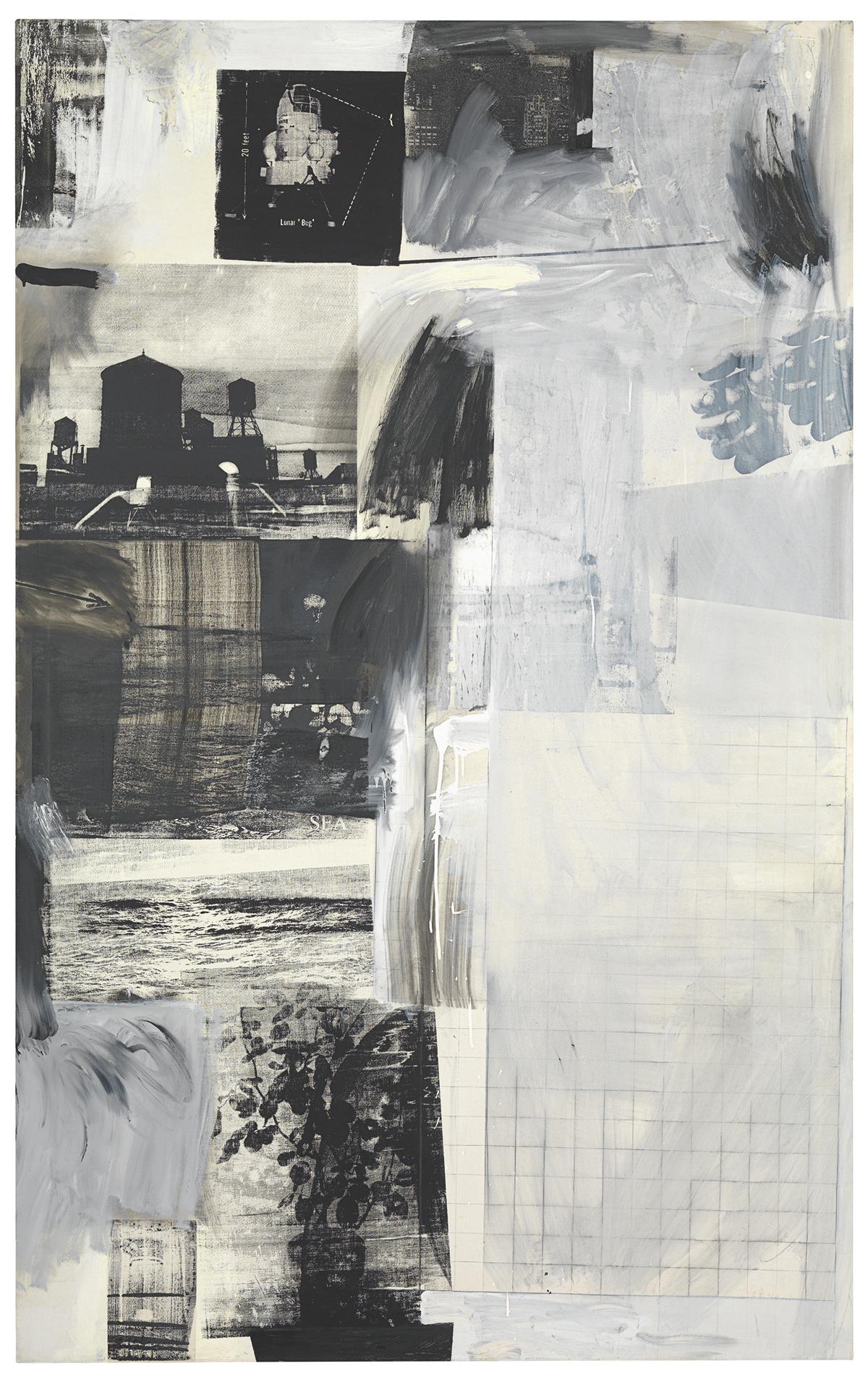
Robert Rauschenberg, Almanac, 1962. Tate, London. Donated by Friends of the Tate Gallery (1969) © 2025 Robert Rauschenberg Foundation/Licensed by VAGA from Artists Rights Society (ARS), New York/VEGAP, Madrid.
Rauschenberg began his photography career during his time at Black Mountain College, where he was influenced by Hazel Larsen and Aaron Siskind. In the 1950s, he incorporated newspaper clippings into his celebrated Combines , exploring collage as a means of experimentation. Later, starting in 1962, he turned to silkscreen printing to transfer images directly onto the canvas in his Silkscreen Paintings, thus consolidating one of the most emblematic chapters of his output.
You may be
interested
...