Exhibitions
Basquiat returns to Brooklyn: the artist before the myth
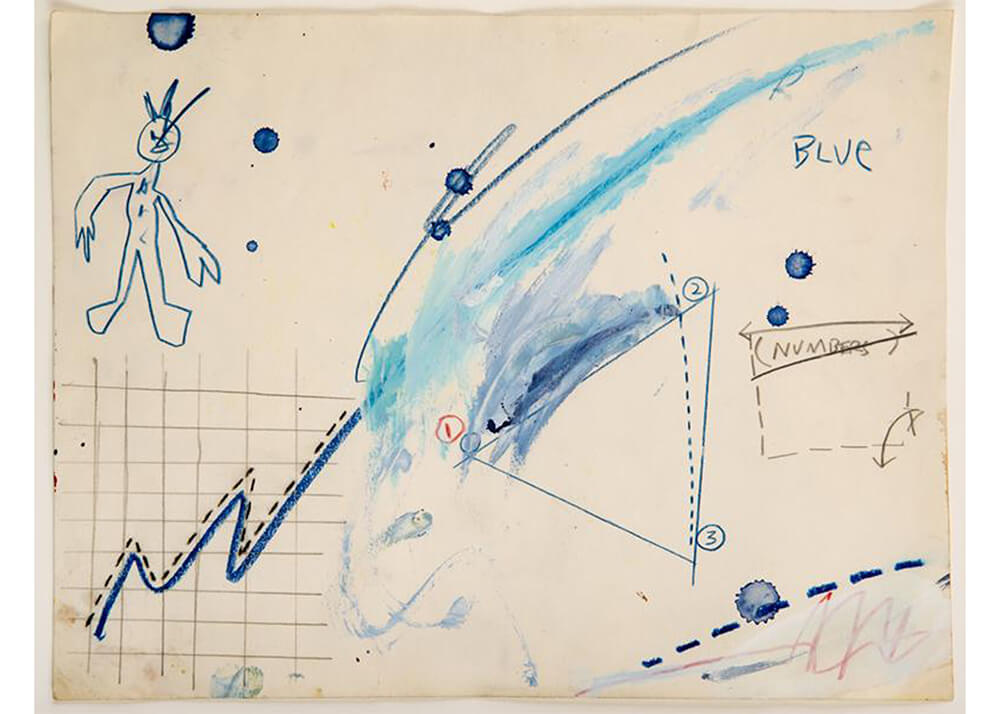
Before his works reached million-dollar figures at international auctions and before his face became a universal symbol of contemporary art, Jean-Michel Basquiat was simply Jean: a restless young man who drew compulsively, did graffiti, wrote poems and roamed the rawest and most experimental New York of the late seventies.
That intimate and still unknown portrait of the artist is the focus of Our Friend, Jean , the exhibition that opened on May 16 at The Bishop Gallery in Brooklyn, the same district where Basquiat was born and where he now symbolically returns as a cultural memory.
The exhibition, which will remain open until December 31, 2026, brings together drawings, collages, photographs, and archival materials created between 1979 and 1980, when the artist had not yet broken into the international market or experienced the dizzying heights of fame. Far removed from the enormous canvases that would make him an icon, the pieces reveal a spontaneous, visceral Basquiat, deeply connected to the street.
The heart of the exhibition belongs to the personal collection of Alexis Adler, a photographer and scientist who shared an apartment with Basquiat in Manhattan's East Village during those years of creative hardship. At that time, Jean survived by selling hand-painted postcards and jackets he had customized himself. Some of those postcards ended up in the hands of Andy Warhol, who would later become his mentor and one of the key figures in his career.
Many of the works on display were created in that small apartment on 12th Street, an improvised space that ended up serving as the artist's first informal studio. Among papers pasted to the walls, objects found in the street, and domestic performances, Basquiat began to construct the visual universe that would later revolutionize contemporary art.
Although still far from the pictorial sophistication of his later years, these early works already show the obsessions that would run through his entire production: structural racism, social inequality, black identity and the symbolic violence exerted on African American bodies.
The exhibition also reveals a more everyday and vulnerable side of the artist thanks to photographs taken by Adler. The images show Basquiat relaxing in his apartment, improvising performance scenes, or working frenetically on makeshift surfaces. They are documents of enormous historical and emotional value: some of the most intimate visual records of his youth and creative process.
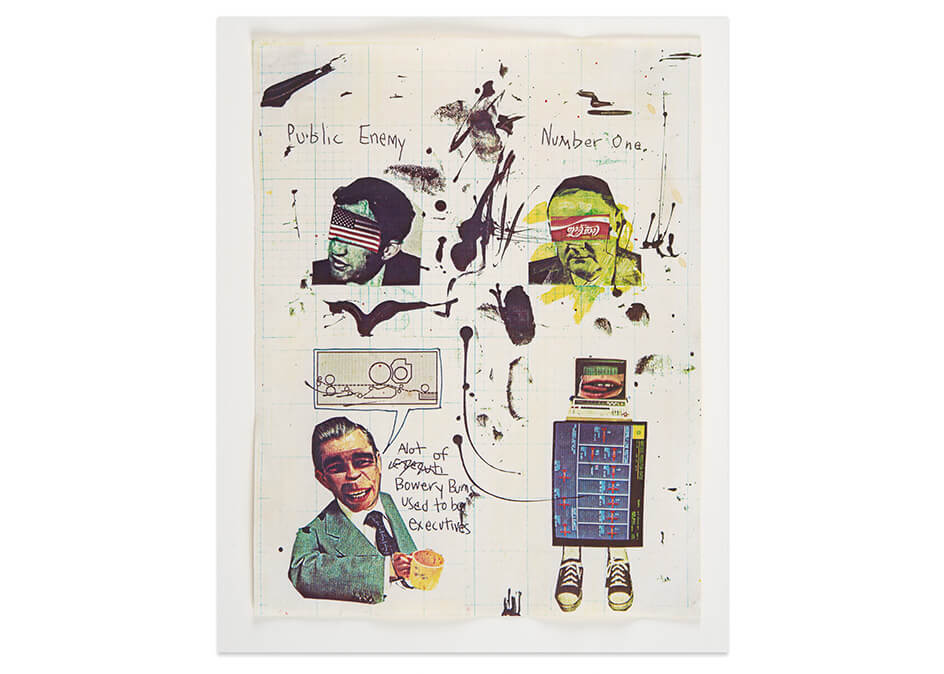
The significance of this archive was confirmed when Adler's photographic collection of Basquiat's work was acquired by the Smithsonian National Museum of African American History and Culture. The institution also added one of the artist's earliest works from this collection: an untitled piece in which Basquiat reinterpreted the American flag through his own critical lens.
In addition to Adler's archive, Our Friend, Jean incorporates works and materials belonging to other friends and collectors close to the artist, including Jane Diaz, Hilary Jaeger and Katie Taylor.
“Brooklyn has been waiting for Jean-Michel to come home,” said Stevenson Dunn Jr., co-founder of the gallery. And perhaps that is precisely the essence of this exhibition: not to celebrate Basquiat as a market phenomenon, but to rediscover the young artist who was not yet a myth, but already contained all the fury, sensitivity, and genius that would change the history of art.


You may be
interested
...