Exhibitions
Shared itineraries: the artistic bridge between Argentina and Spain
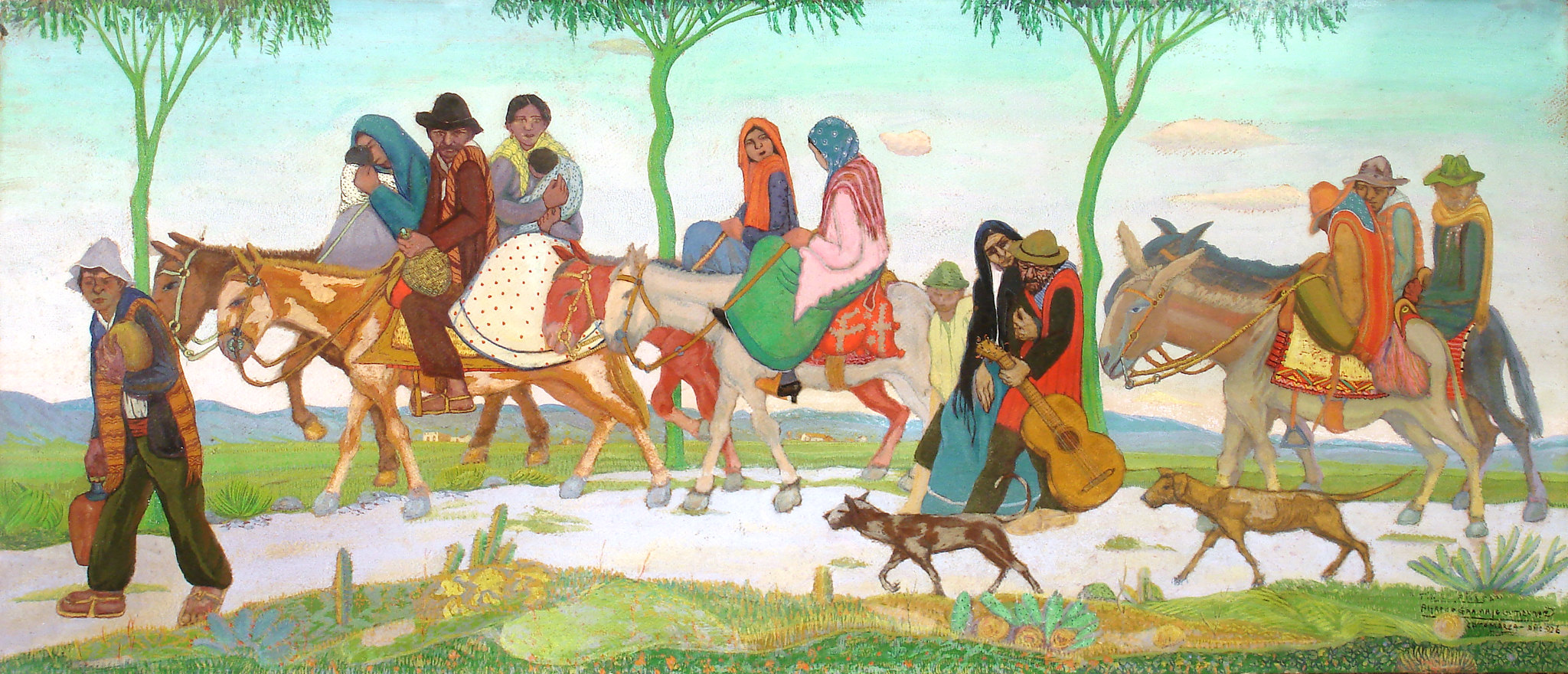
On the first floor of the National Museum of Fine Arts, one of the most revealing exhibitions on the cultural ties between Latin America and the Iberian Peninsula is on display. Entitled “Artistic Itineraries between Argentina and Spain (1880-1930),” the exhibition brings together more than sixty paintings, sculptures, prints, and historical documents that reconstruct the personal and aesthetic connections between artists from both countries during a pivotal period for artistic modernity.
The proposal, curated by researchers Florencia Galesio, Paola Melgarejo and Patricia Corsani, is part of an international academic project promoted by the Department of Fine Arts of the Faculty of Philosophy and Letters of the University of Granada, dedicated to studying cultural exchanges between Spain and Latin America.
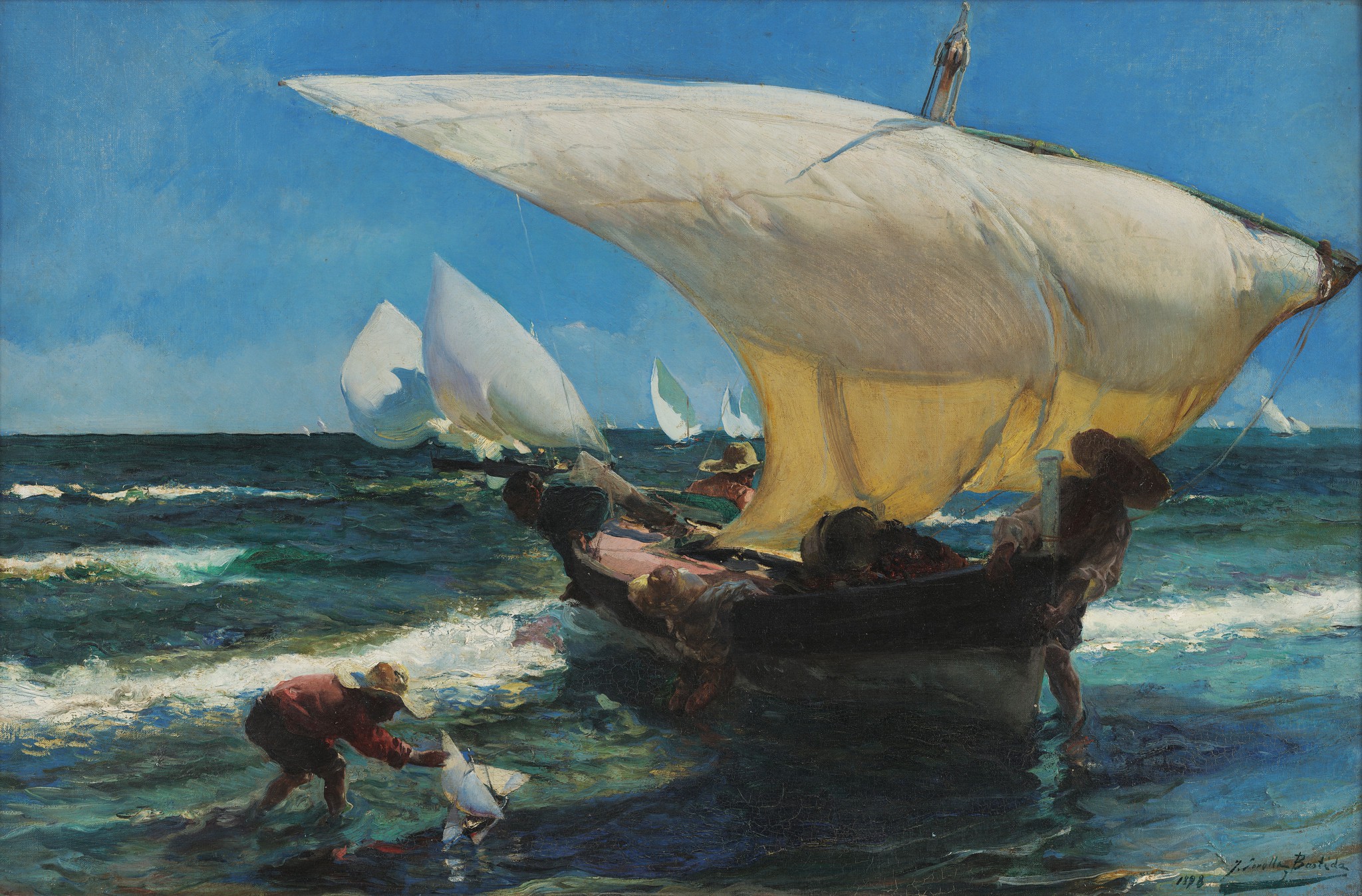
Joaquín Sorolla y Bastida, “On the coast of Valencia”, 1898. Inventory no. 2638. Collection of the National Museum of Fine Arts.
The exhibition focuses on a phenomenon less explored by the history of Argentine art: the formative journeys that numerous artists undertook to Spain in the late 19th and early 20th centuries. While much of the Generation of '80 chose Paris or Rome as destinations for their artistic development, several Argentine painters opted for Madrid, Granada, Seville, Toledo, Barcelona, Vigo, or Mallorca as spaces for learning and discovery.
Guided by key figures in Spanish art such as Eduardo Chicharro, Ignacio Zuloaga and Hermenegildo Anglada Camarasa, Argentine artists found new forms of representation in the Iberian pictorial tradition, incorporating landscapes, popular scenes and an aesthetic sensibility distinct from the dominant French influence.
Those experiences not only transformed their views of Spain, but also of Argentina itself. Upon their return, artists like Jorge Bermúdez and Cesáreo Bernaldo de Quirós began to depict rural scenes, characters, and landscapes of the Argentine interior from a renewed perspective, combining local tradition with modern painting techniques.
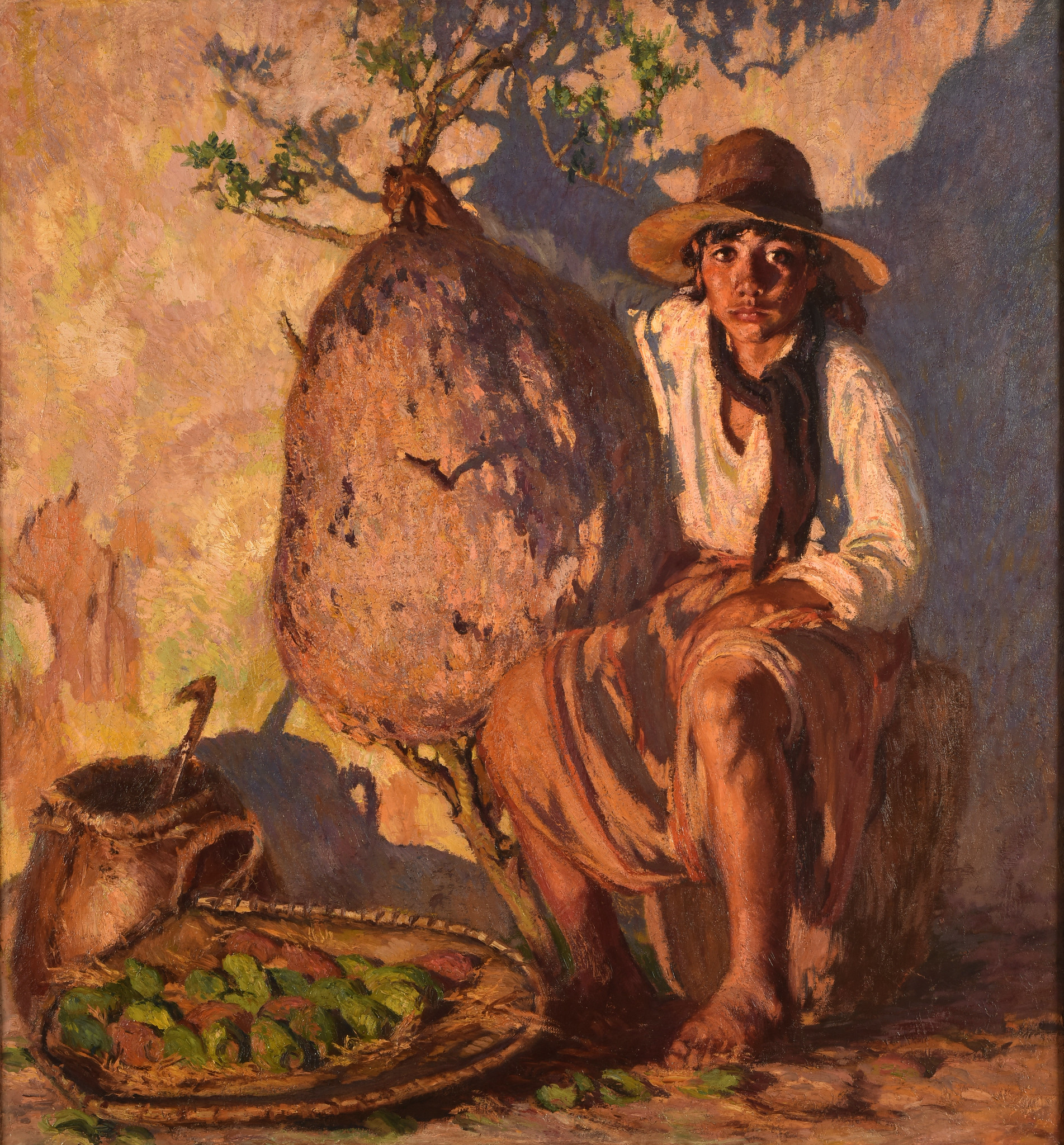
Cesáreo Bernaldo de Quirós, “Tunas y lechiguanas”, from the series “Los gauchos”, 1924. Inventory No. 7097, Collection National Museum of Fine Arts.
Another central theme of the exhibition is the consolidation of Buenos Aires as a strategic market for Spanish art between 1880 and 1930. The economic boom of the Argentine capital attracted European collectors, gallery owners and art dealers, including the influential Catalan merchant José Artal, a key figure in the circulation of Spanish works in South America.
The tour includes works by prominent Argentine artists such as Emilio Caraffa, Alfredo Gramajo Gutiérrez, José Antonio Terry, Rodolfo Franco, Tito Cittadini, Léonie Matthis and Francisco Bernareggi, among others.
On the Spanish side, essential names stand out such as Julio Romero de Torres, Darío de Regoyos, Fernando Álvarez de Sotomayor, Mariano Fortuny and Ramón de Zubiaurre, whose works demonstrate the richness of an artistic exchange that transcended borders.

You may be
interested
...