Exhibitions
The river as body, archive and border
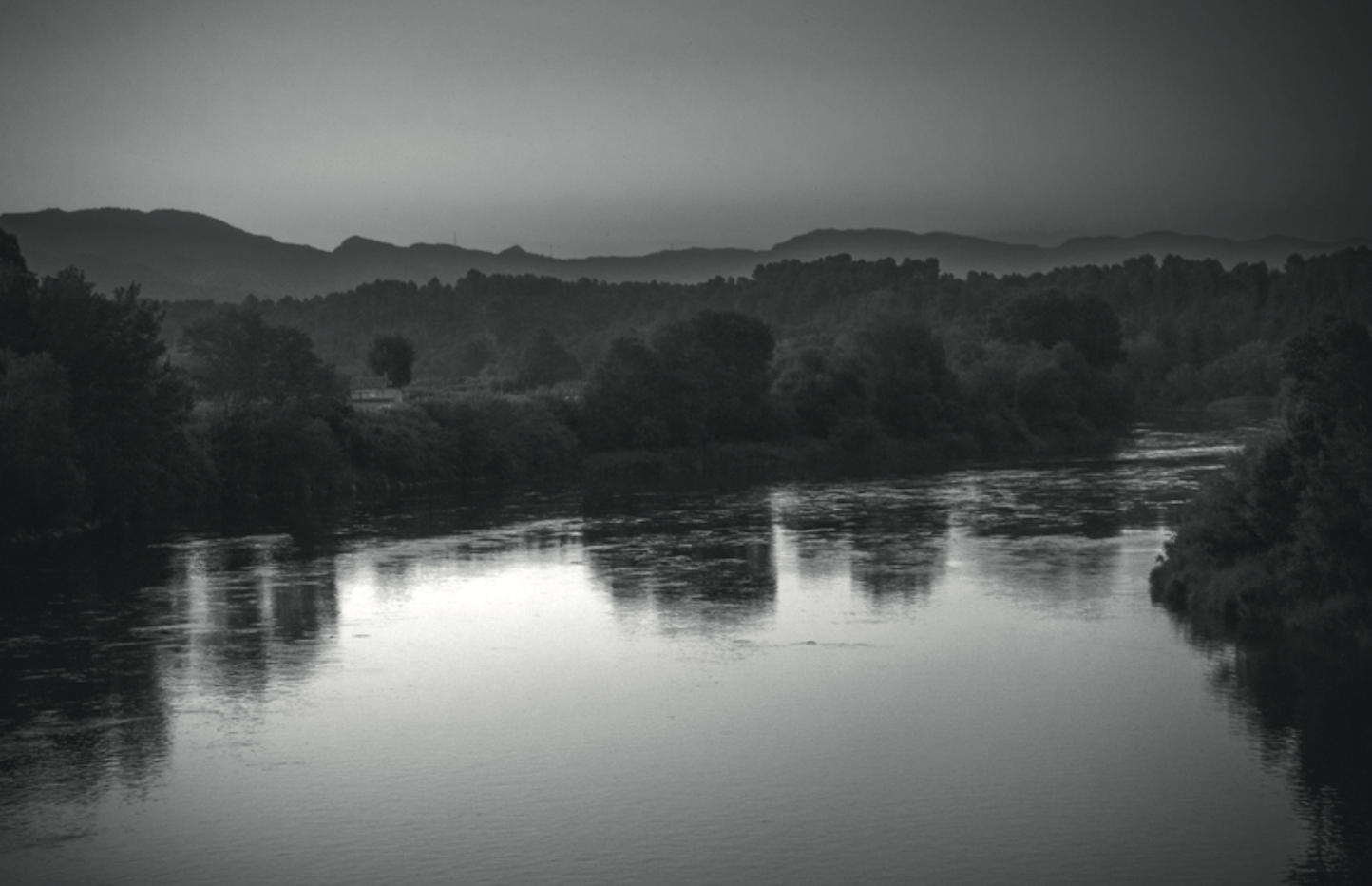
Walking more than 1,200 kilometers in eighty-two days. Walking downstream along the course of the Ebro River from its source in Fontibre (Cantabria) to its mouth in the Ebro Delta, where the Baladre artist residency is located, managed by the Lo Pati Art Center.
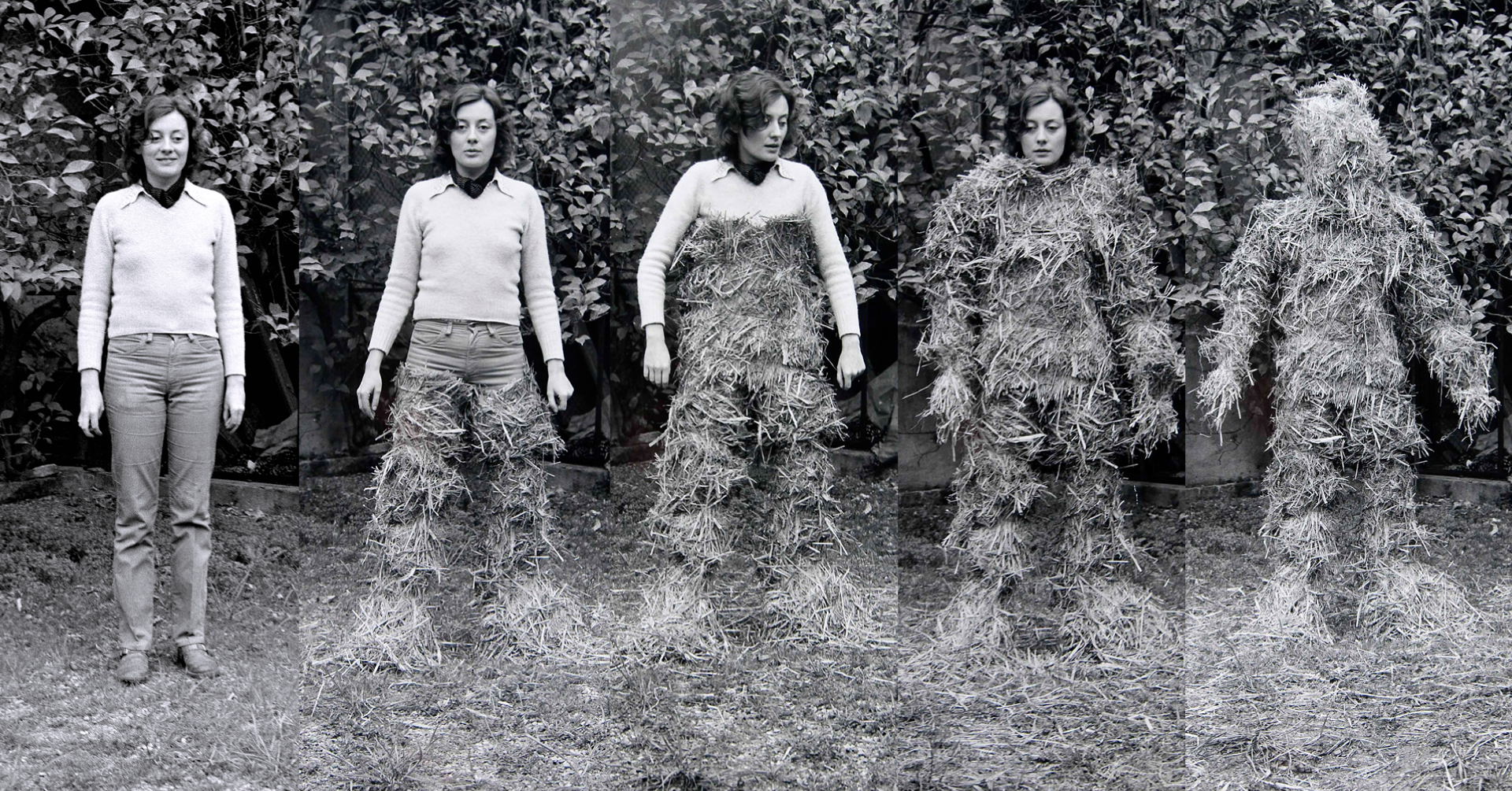
This is the beginning of the Cos d'Ebre project, by the artist Marco Noris, curated by Andrea Pacheco, which can be seen at Lo Pati from September 6 to November 2, 2025. A multidisciplinary artistic project that explores the river as a body, archive, and border, focusing on concepts such as memory, climate change, territory, and depopulation.
The project combines disciplines such as installation, drawing, video, writing, and walking as an artistic practice. In Marco Noris's work, walking is presented as a practice with profound symbolic and reflective meaning. Noris explores the idea that the act of moving through space is not only a physical movement, but also a gesture that implies a relationship between the body and the world. It becomes a sign of resistance and reflection.
The itinerary, in this context, is a way of asserting human presence in a world that is often experienced in a more disconnected and virtual way. It can also be understood as an act of conscience. It is not just a physical act, but a poetic, political, and artistic gesture, laden with meaning.
“Rivers are dynamic systems that accumulate layers of natural and cultural history, functioning as living archives where geological, ecological, and human narratives are sedimented. They are archives of memory, time, and landscape, both through their river sediments and the human communities that have grown up around them. Rivers are also an anthropogenic record; they accumulate plastics, chemicals, and waste, as well as poetic archives, made of myths and metaphors.” —Marco Noris.
Cos d'Ebre articulates a reflection on sustainability, understood as a complex experience that goes beyond ecology and connects with memory, culture, and the tensions of the territory. The exhibition will include parallel activities such as roundtables, workshops, presentations, and local activities to delve deeper into the project's content and foster dialogue with the community.
With all this experience, Noris has arrived in Baladre, where, amidst rice fields about to be harvested and alongside the Ebro, he will begin the second phase of the project. A static phase, now without direction or movement. A moment of creation and introspection as the river flows toward the point where it joins the Mediterranean and its identity fades away.


You may be
interested
...