Exhibitions
Mapfre Foundation: Gentleman Farmer, Anders Zorn
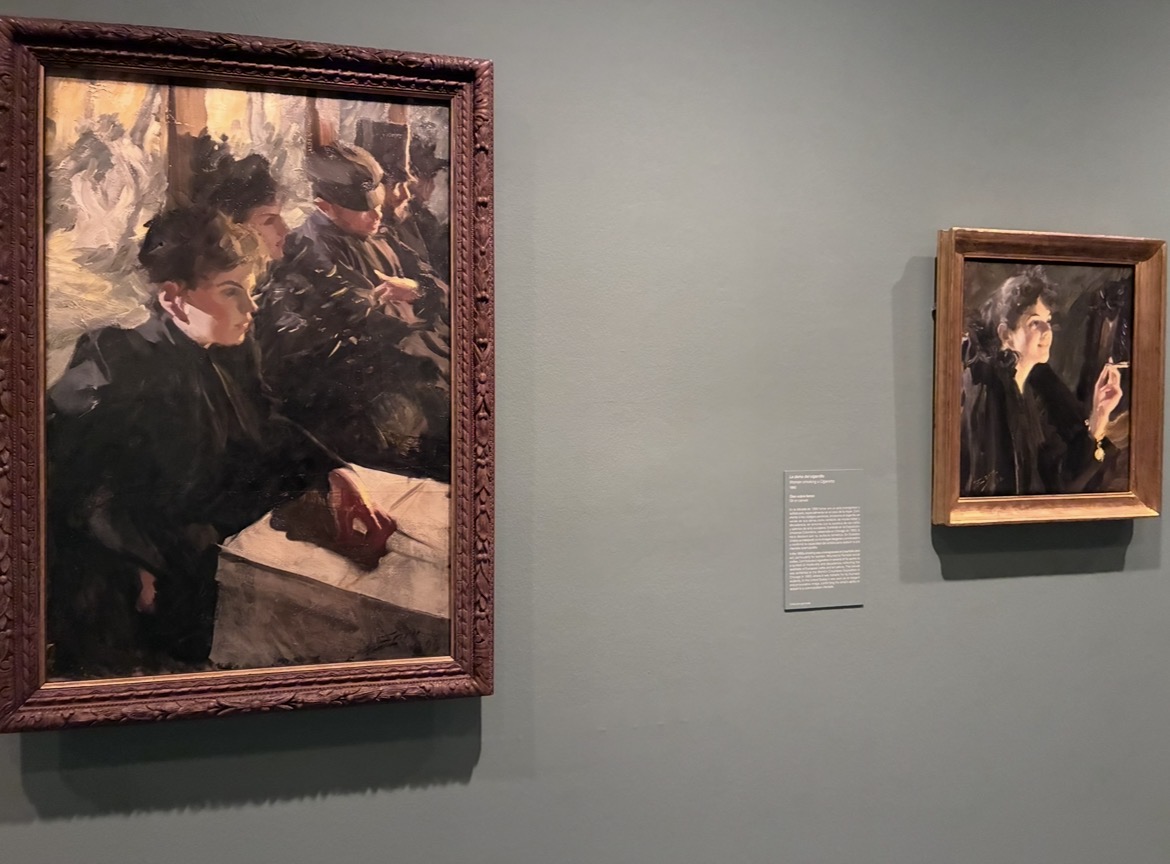
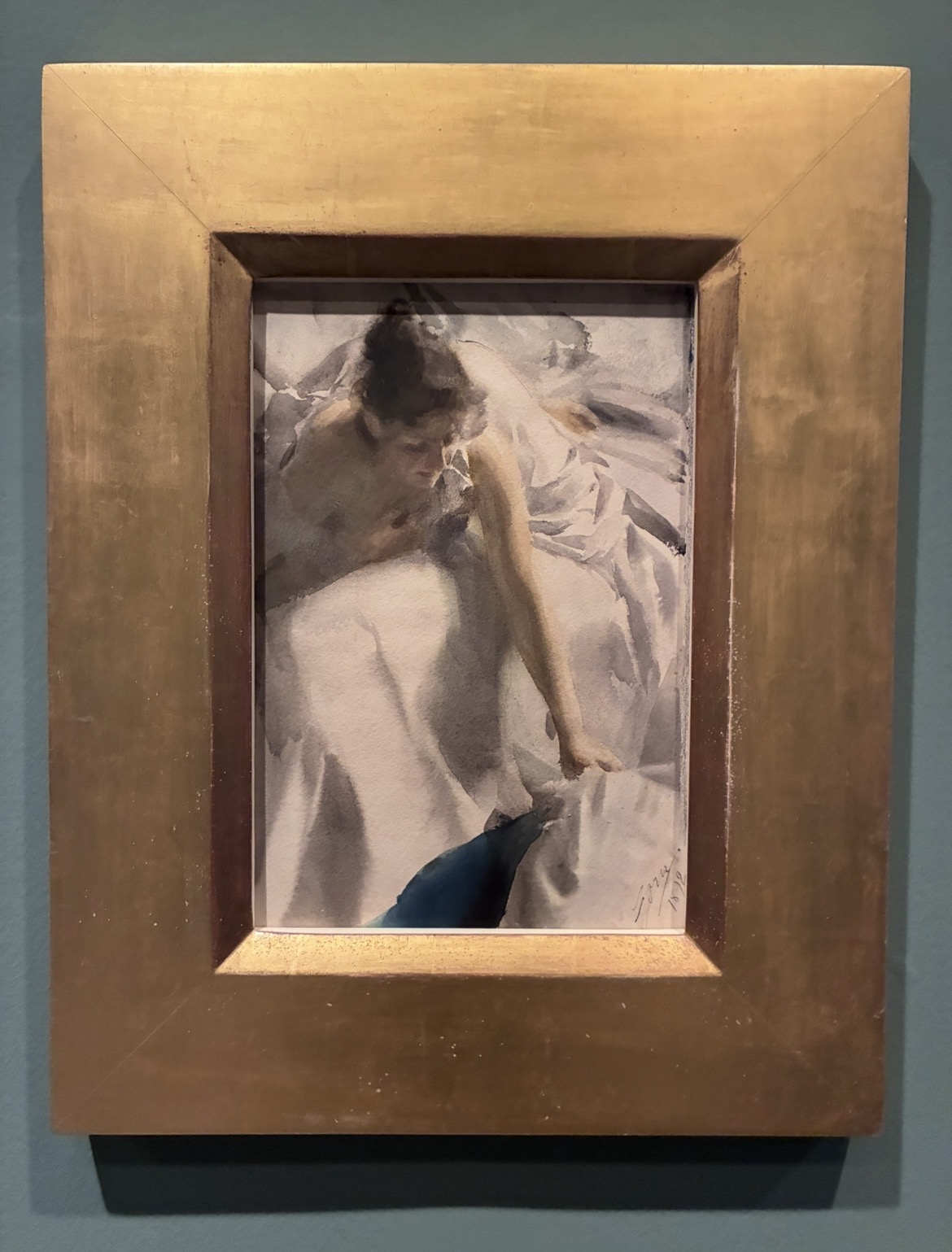
Until May 17, the Mapfre Foundation in Madrid presents, for the first time in Spain, a retrospective dedicated to the life and work of Anders Leonard Zorn (1860-1920). Entitled Anders Zorn: Traveling the World, Remembering the Earth , the exhibition not only displays the artist's extensive body of work, ranging from watercolors and oil paintings to prints and sculptures, but also organizes it through the thematic and aesthetic axes that defined the modern sensibility of his time.
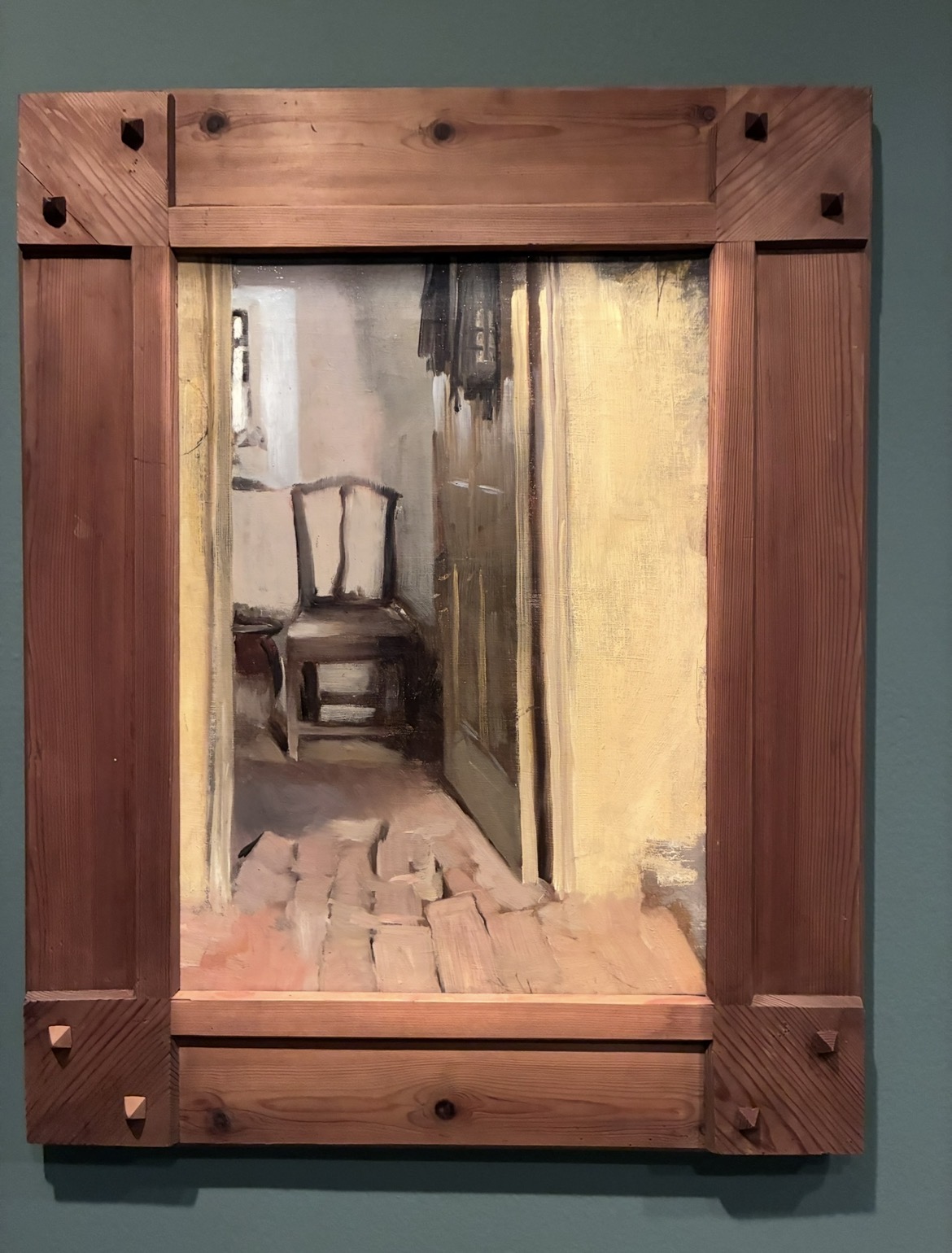
Without becoming tedious, the exhibition skillfully contextualizes the painter's life, highlighting his early steps as the starting point for his subsequent international acclaim. His admission to the Royal Swedish Academy of Fine Arts in Stockholm confirmed an upward trajectory that was consolidated with "In Mourning" (1880). This is the work that launched his career as a portraitist, making him one of the most sought-after artists of his time. During his time in London, he reached the peak of his reputation, which led him to paint figures such as King Oscar II and US President Grover Cleveland. The transition from watercolor to oil painting further amplified his technical abilities and placed him within the artistic landscape of the time, alongside painters like Joaquín Sorolla and John Singer Sargent. As he did in his portraits, Zorn depicted intimate scenes and nudes that broke with established conventions. His compositions offered a simple perspective on the female body that was recognized internationally. However, this global recognition did not overshadow his interest in naturalistic painting focused on the relationship between body, landscape, and light. Zorn explored with particular attention the effects of light on water and the body, river environments, and the chromatic alterations of nature—elements that brought him closer to contemporary aesthetic pursuits.
The exhibition also highlights the symbiosis inherent in the works of Anders Zorn. The painter was particularly known for a compositional duality based on his success as a portraitist of cosmopolitan society and a persistent struggle to incorporate a perspective rooted in his own heritage. Although he depicted aspects of the technological and social development of the time, as shown in Omnibus I or The Great Brewery (1890), his interest was not limited to urban modernization; he sought to capture the cultural and symbolic essence of each environment. He closely observed various everyday scenes in different countries, such as London, Algeria, and Portugal. However, Zorn had a special interest in Spain. Enchanted by this European exoticism, he was notably interested in the folkloric representation of the Spanish people, characterized by a picturesque society and warm landscapes that reflected a widespread romantic imagination. Despite the Impressionist style of his work, Zorn never neglected detail. The painter demonstrates a great capacity for observation that was key to getting the most out of his compositions, especially in portraits, where he managed to move away from academic codes and opt for spontaneity and the intimate gaze, typical of the painter.


You may be
interested
...